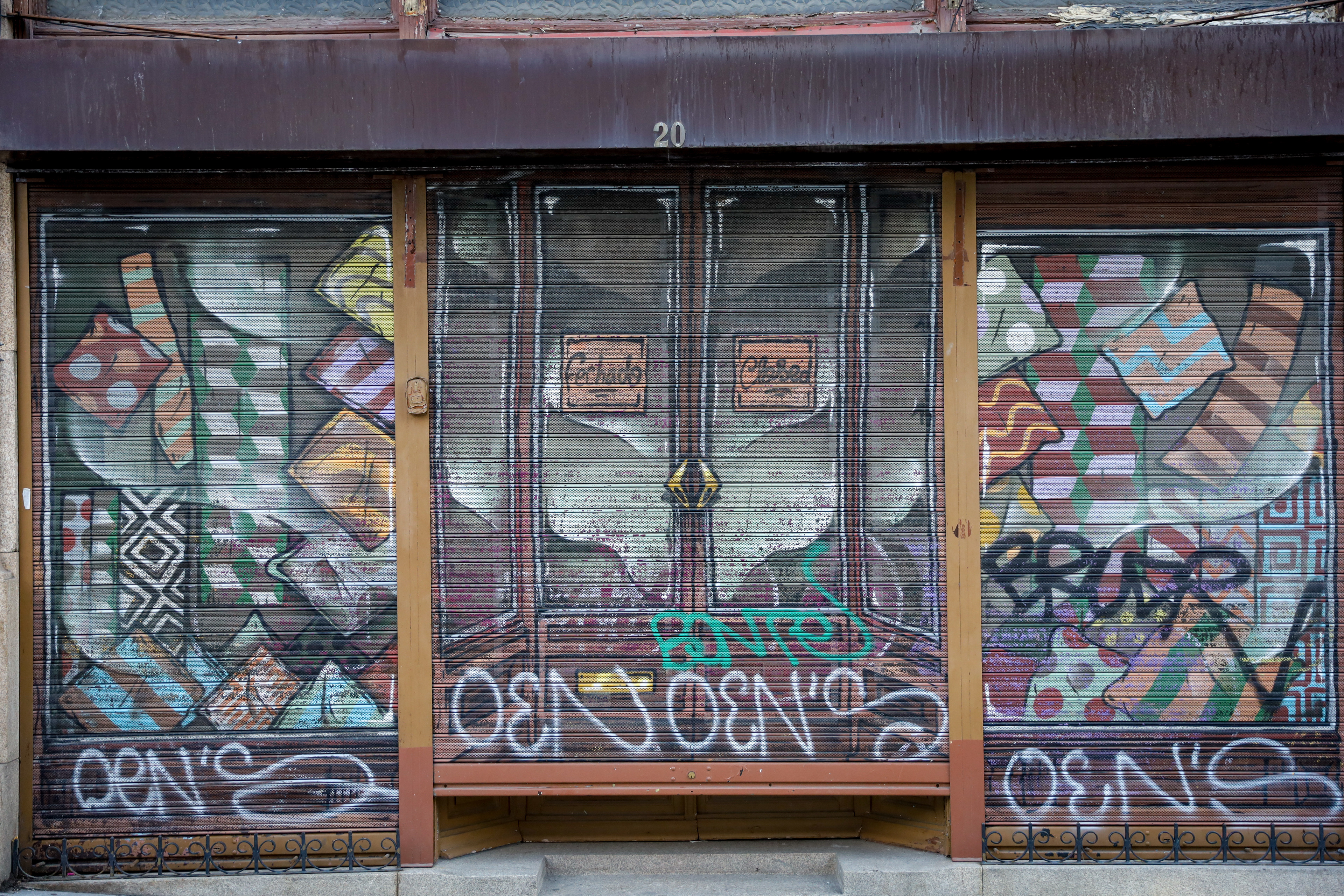
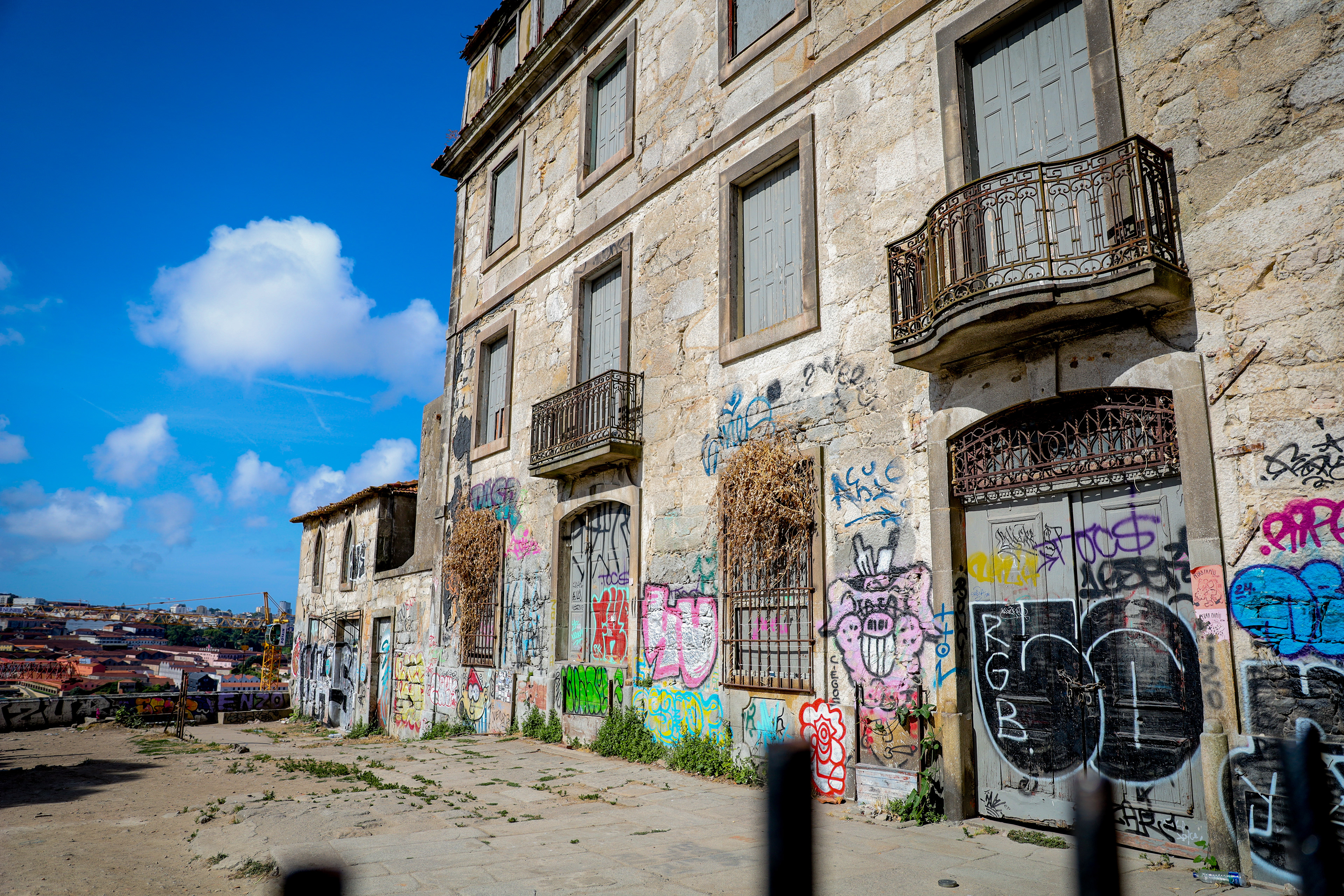
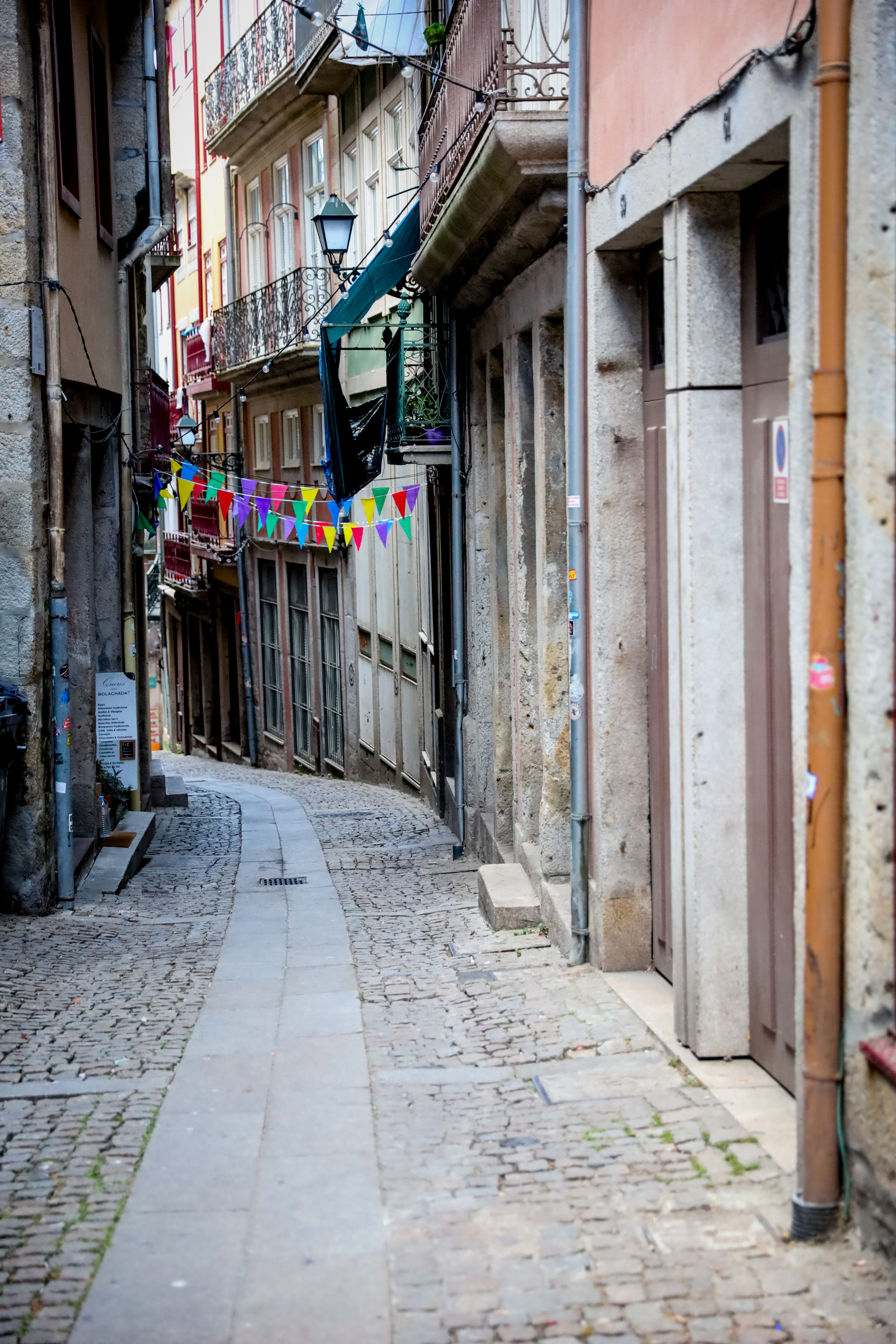
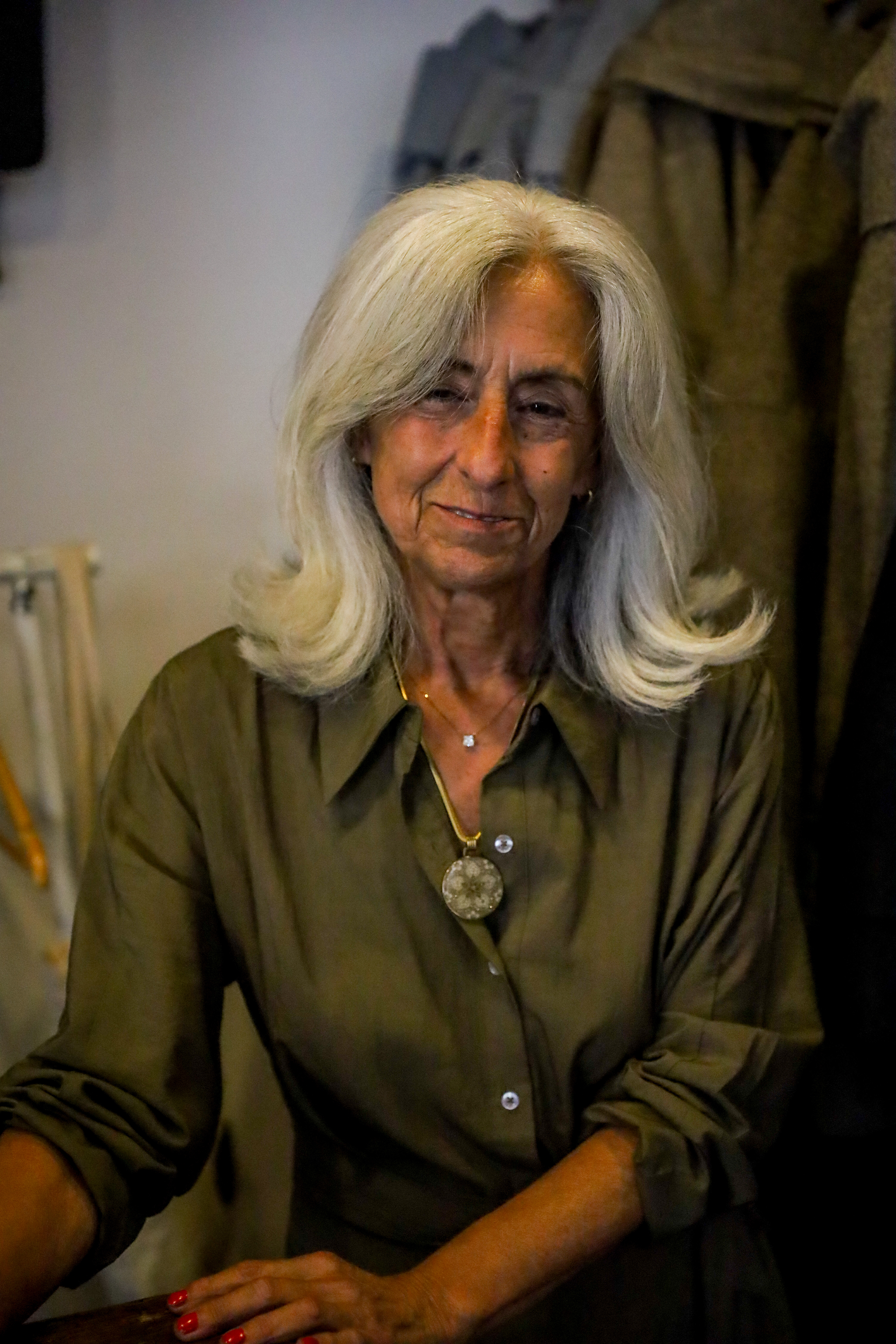
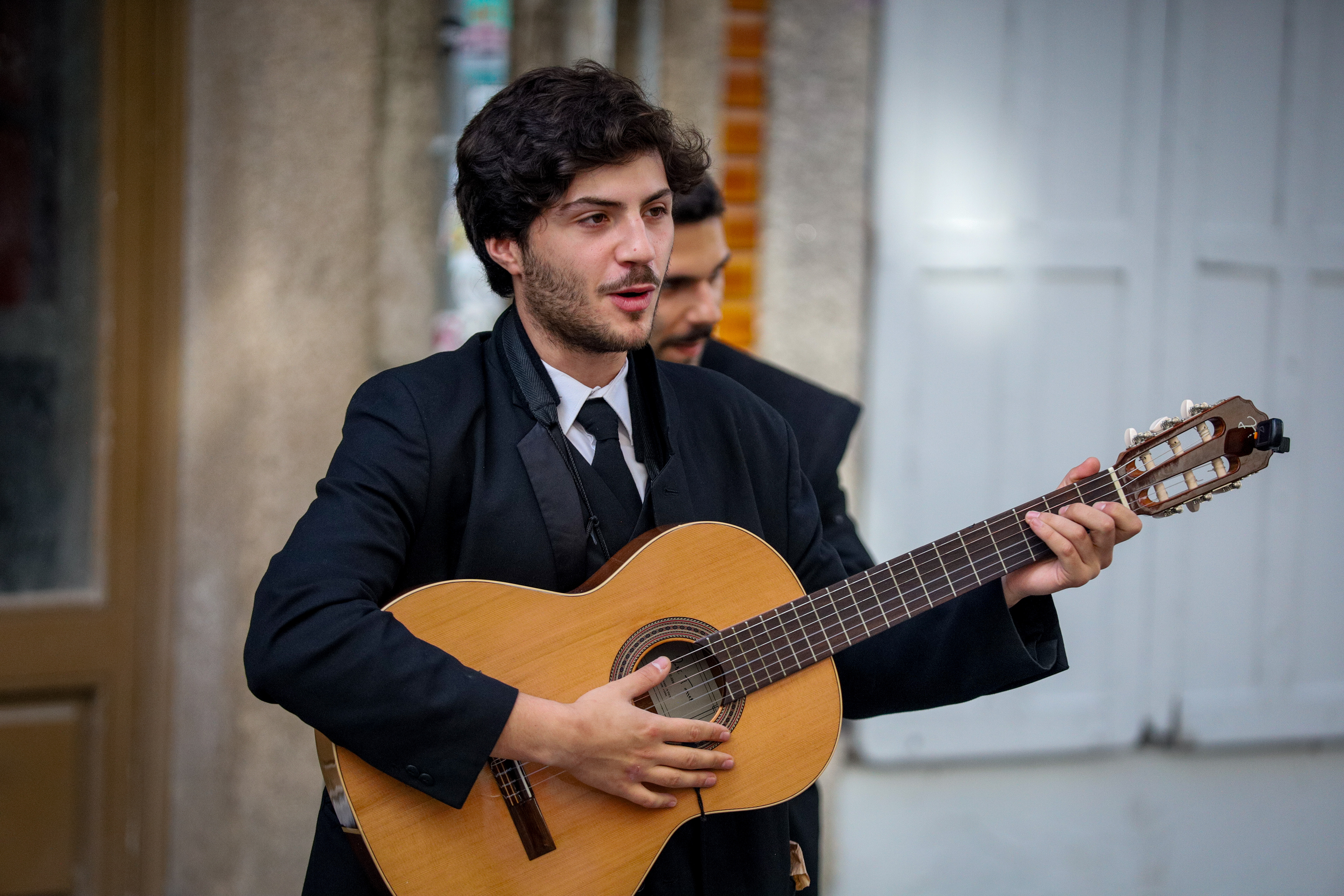
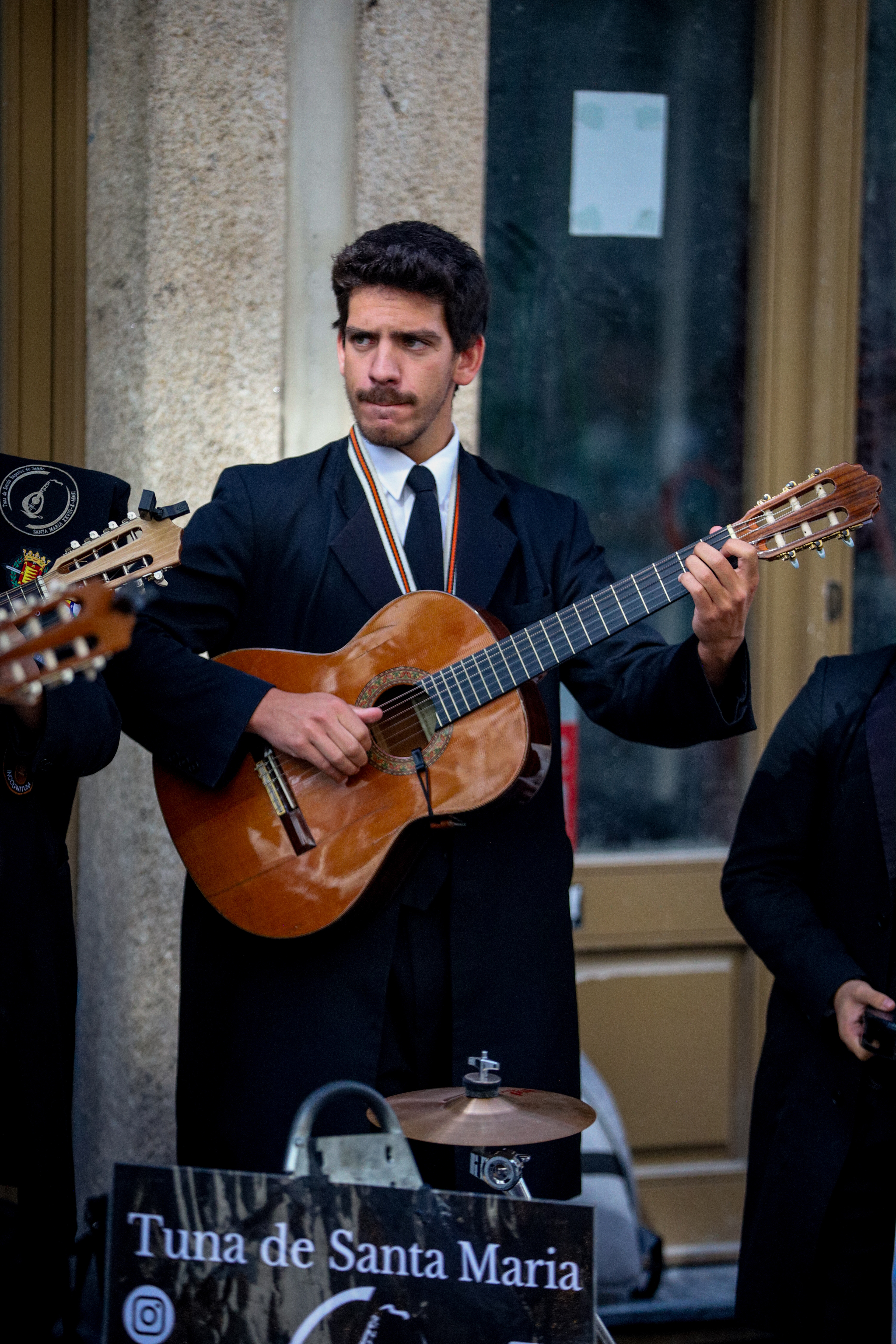
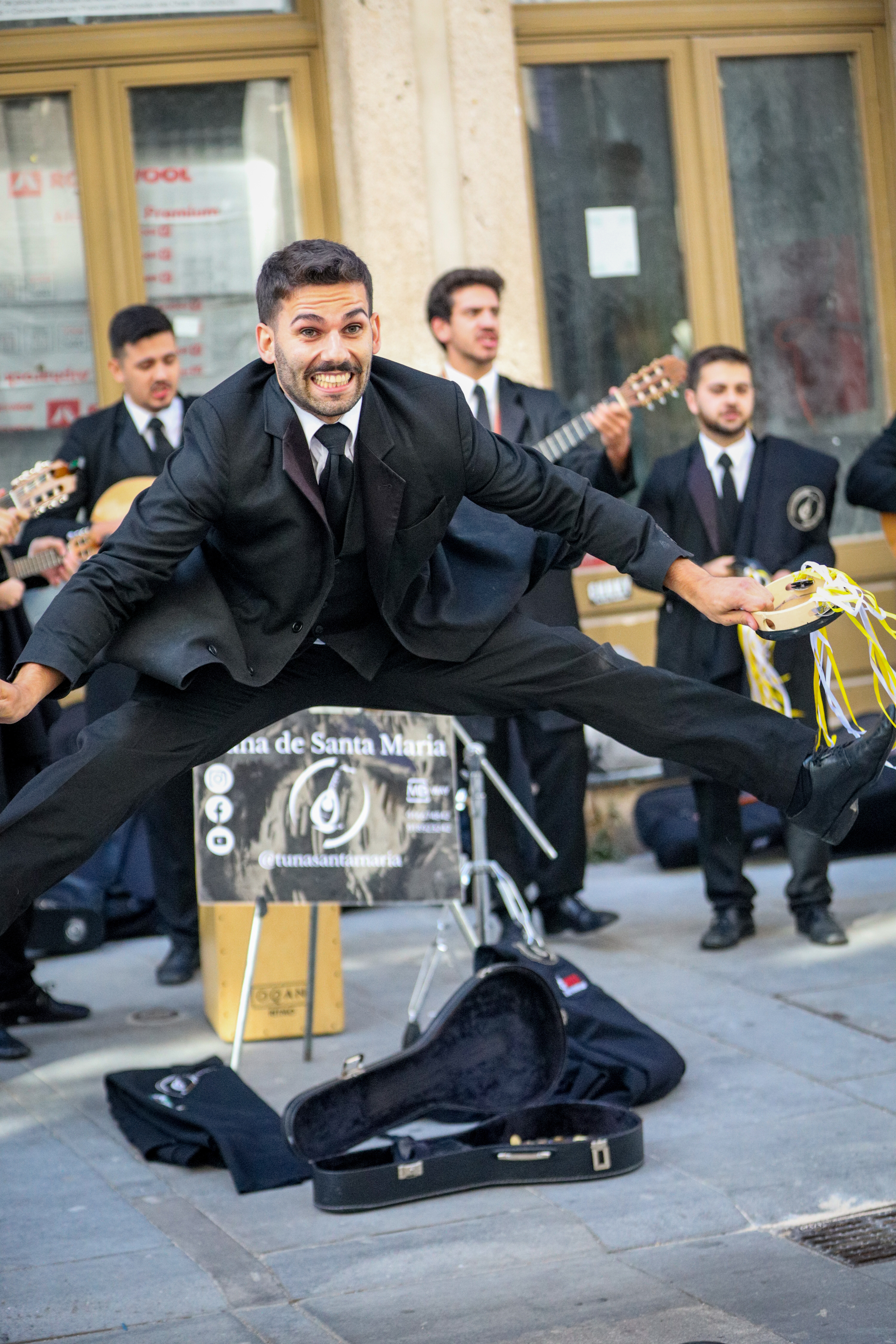
Streets of Coimbra 2025
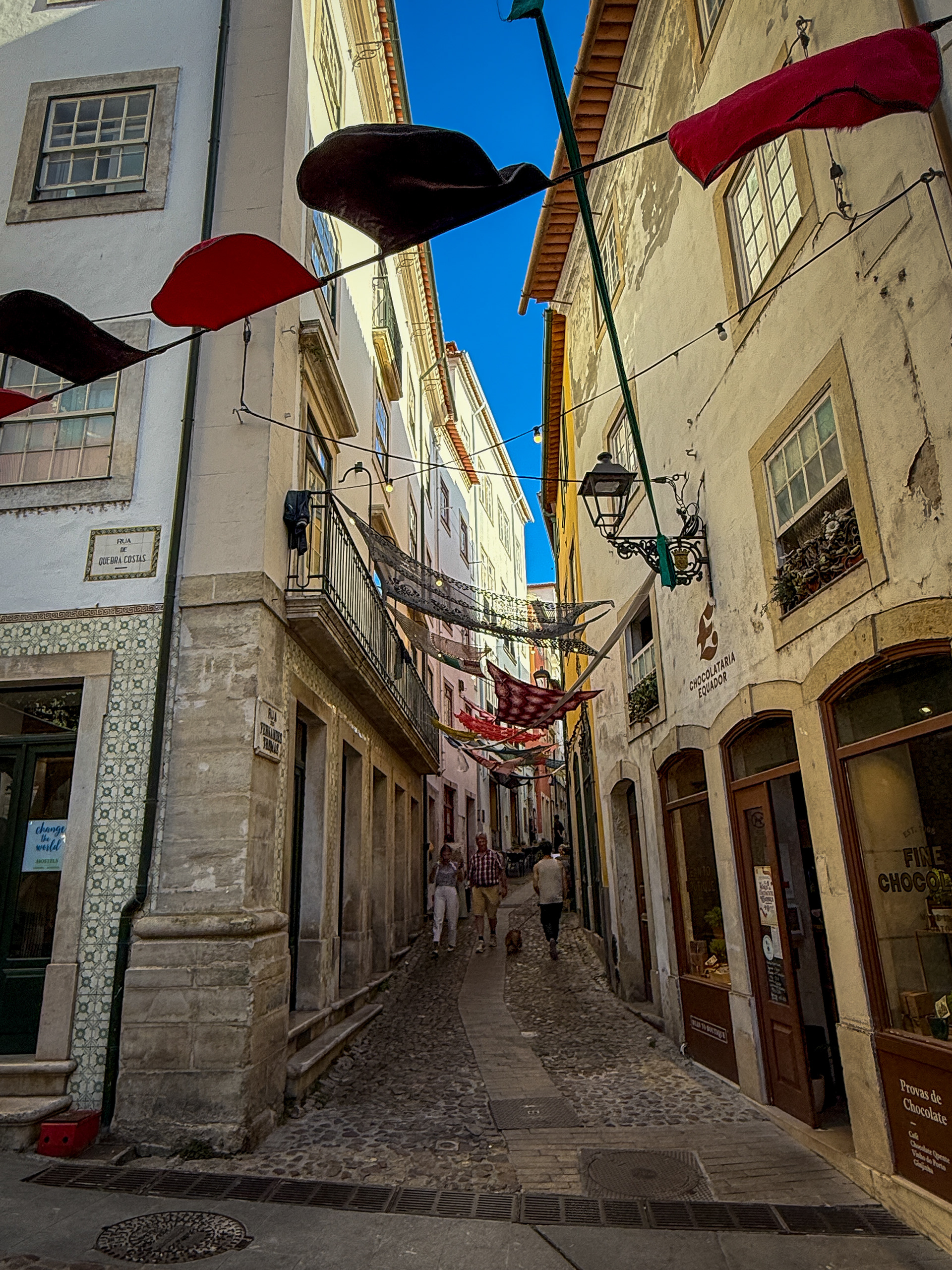
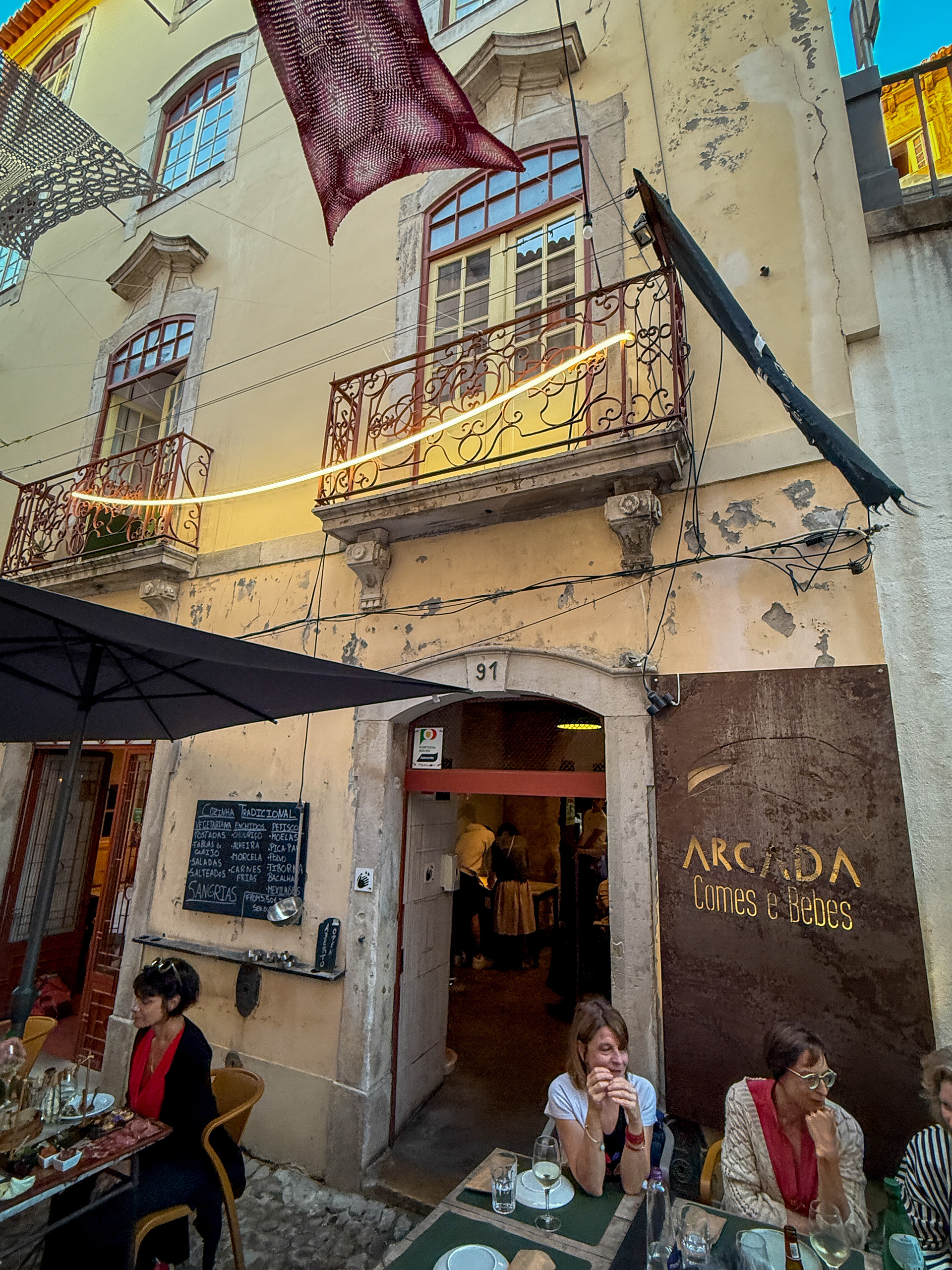
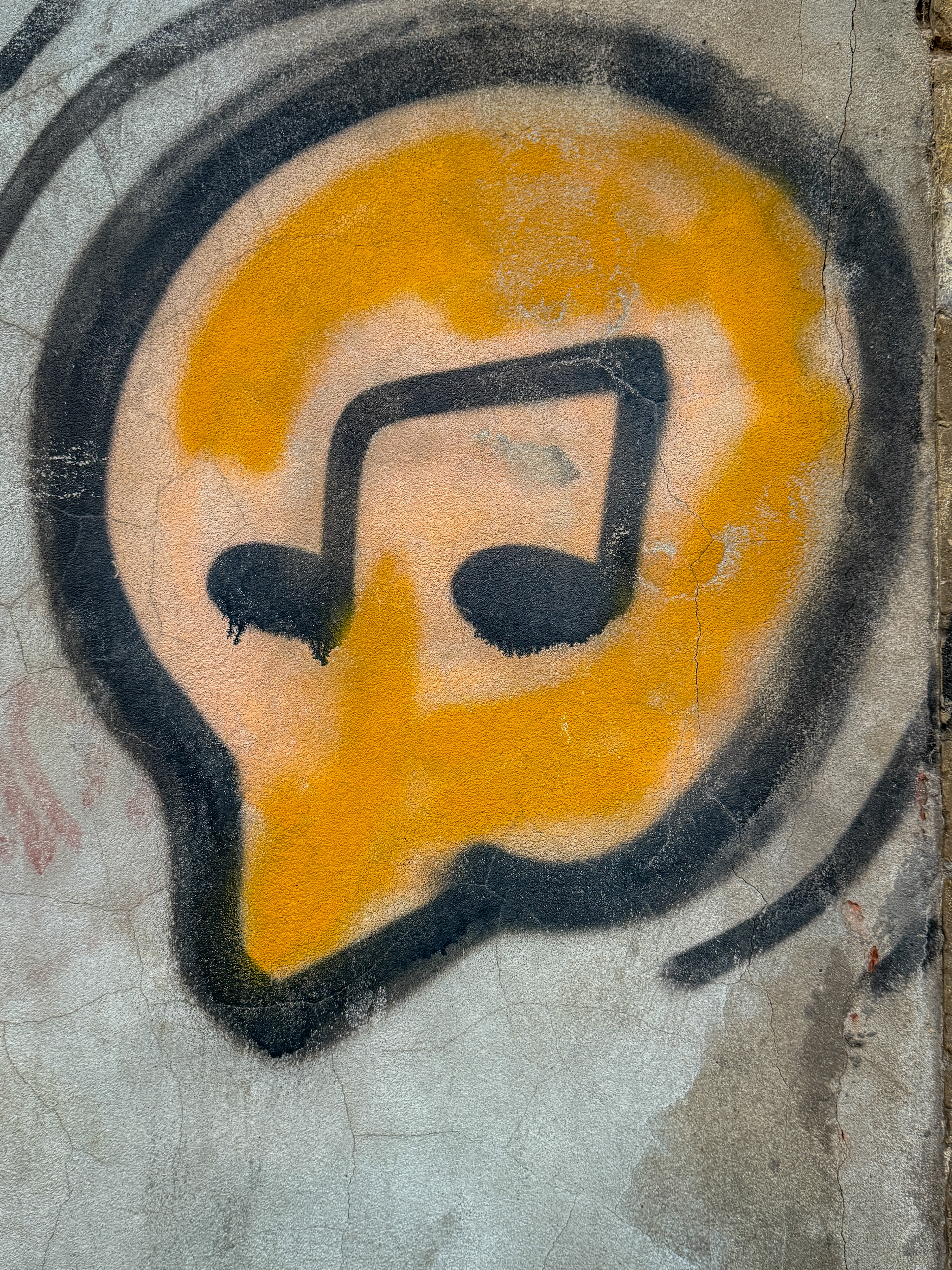
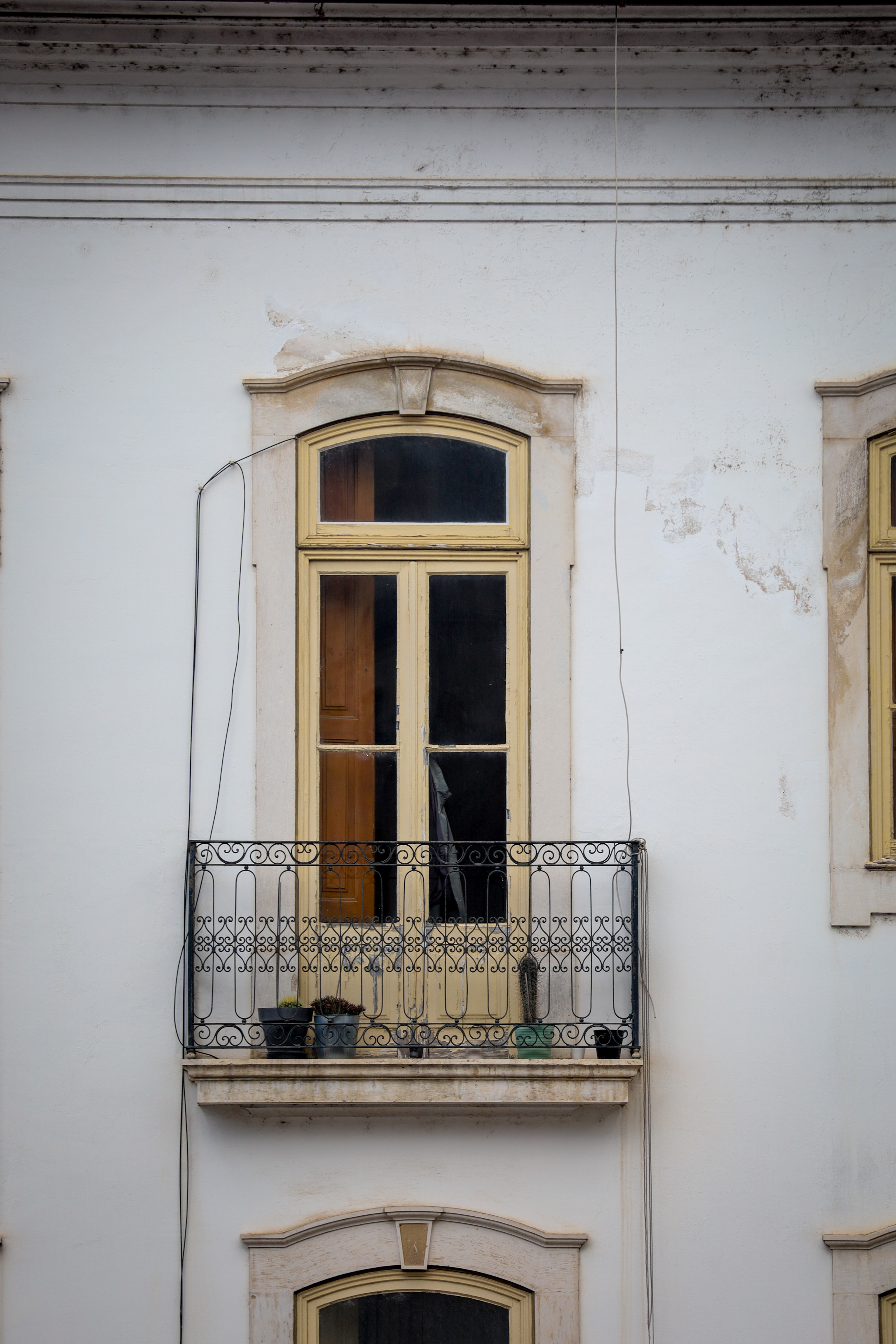
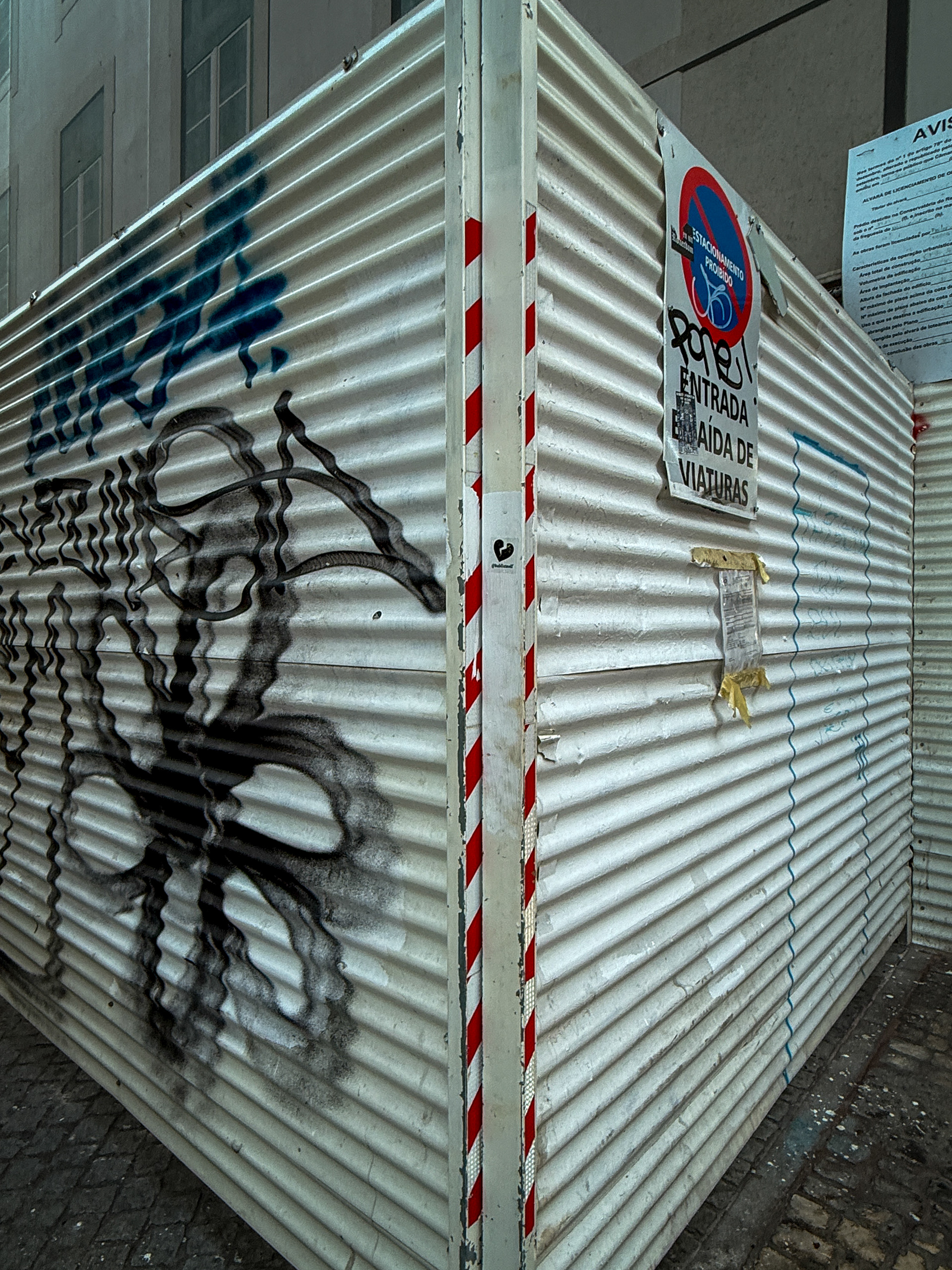
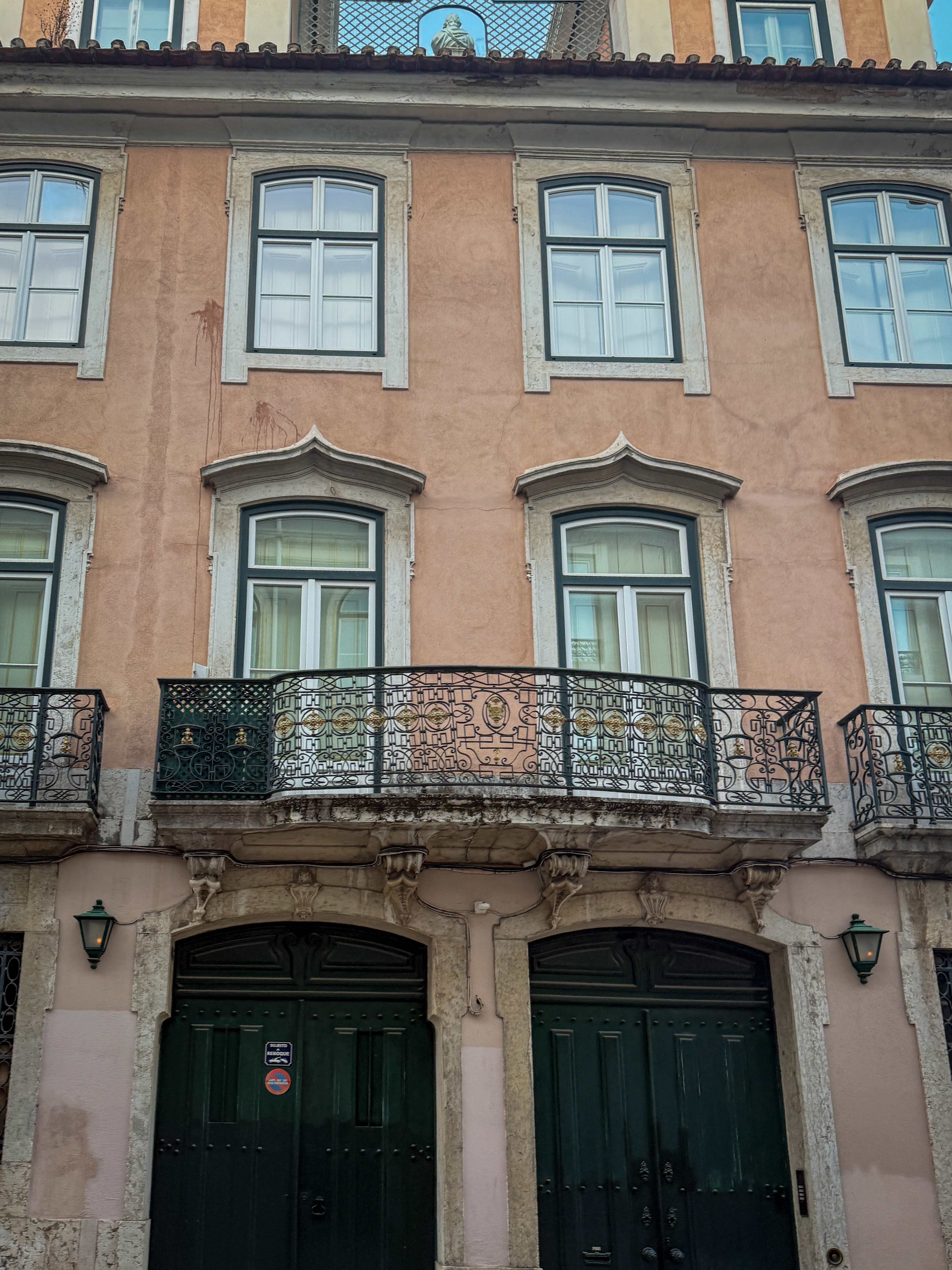
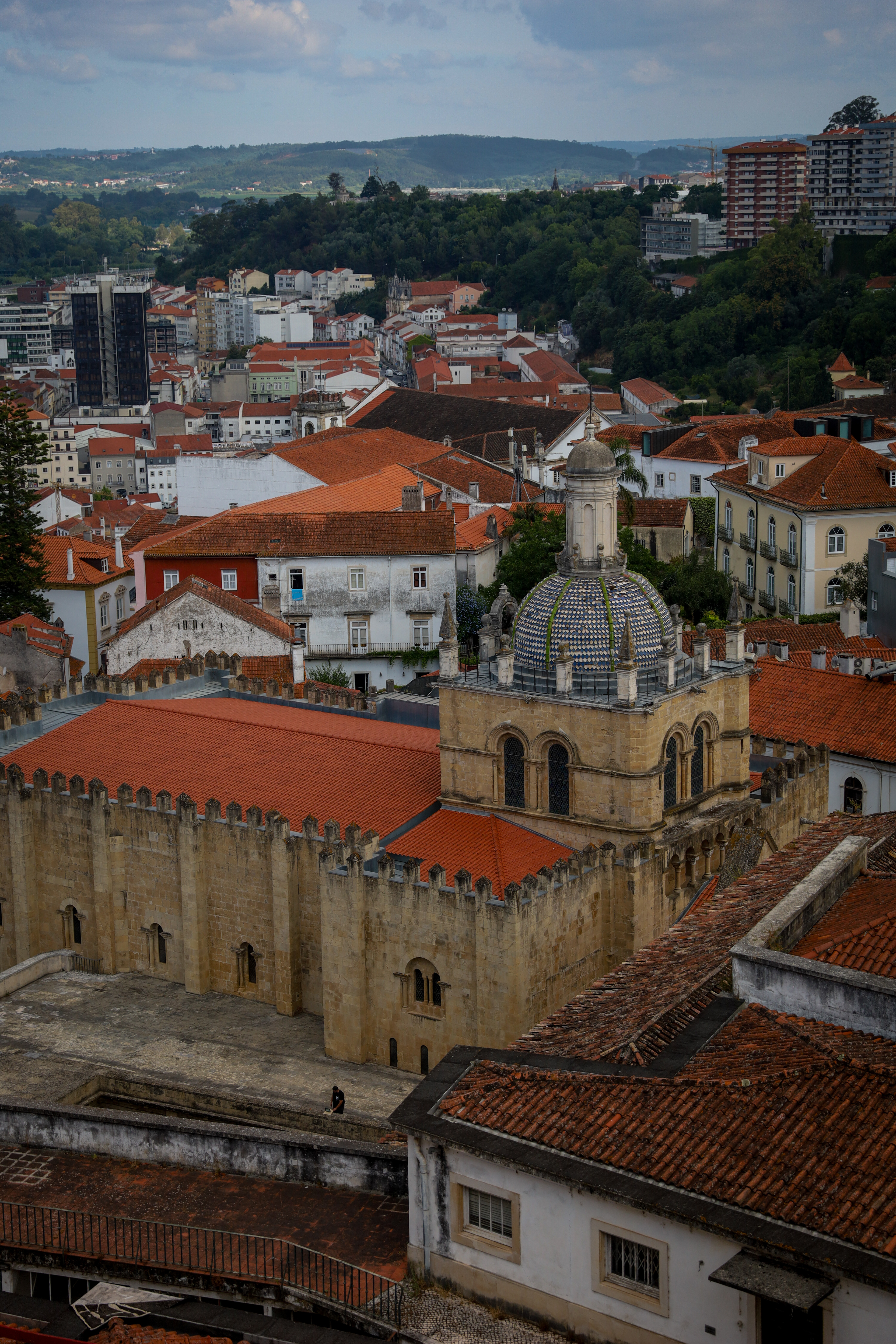
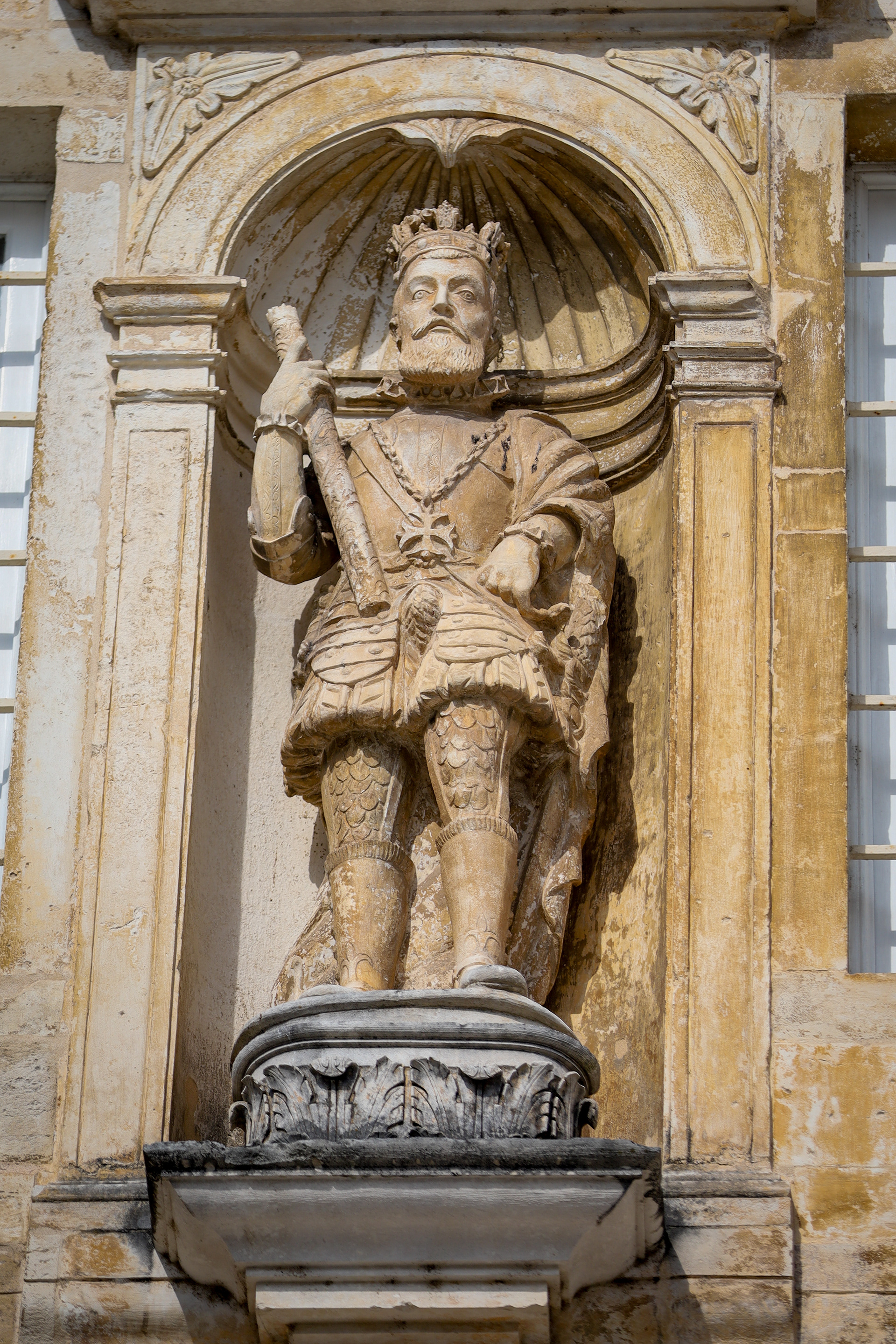
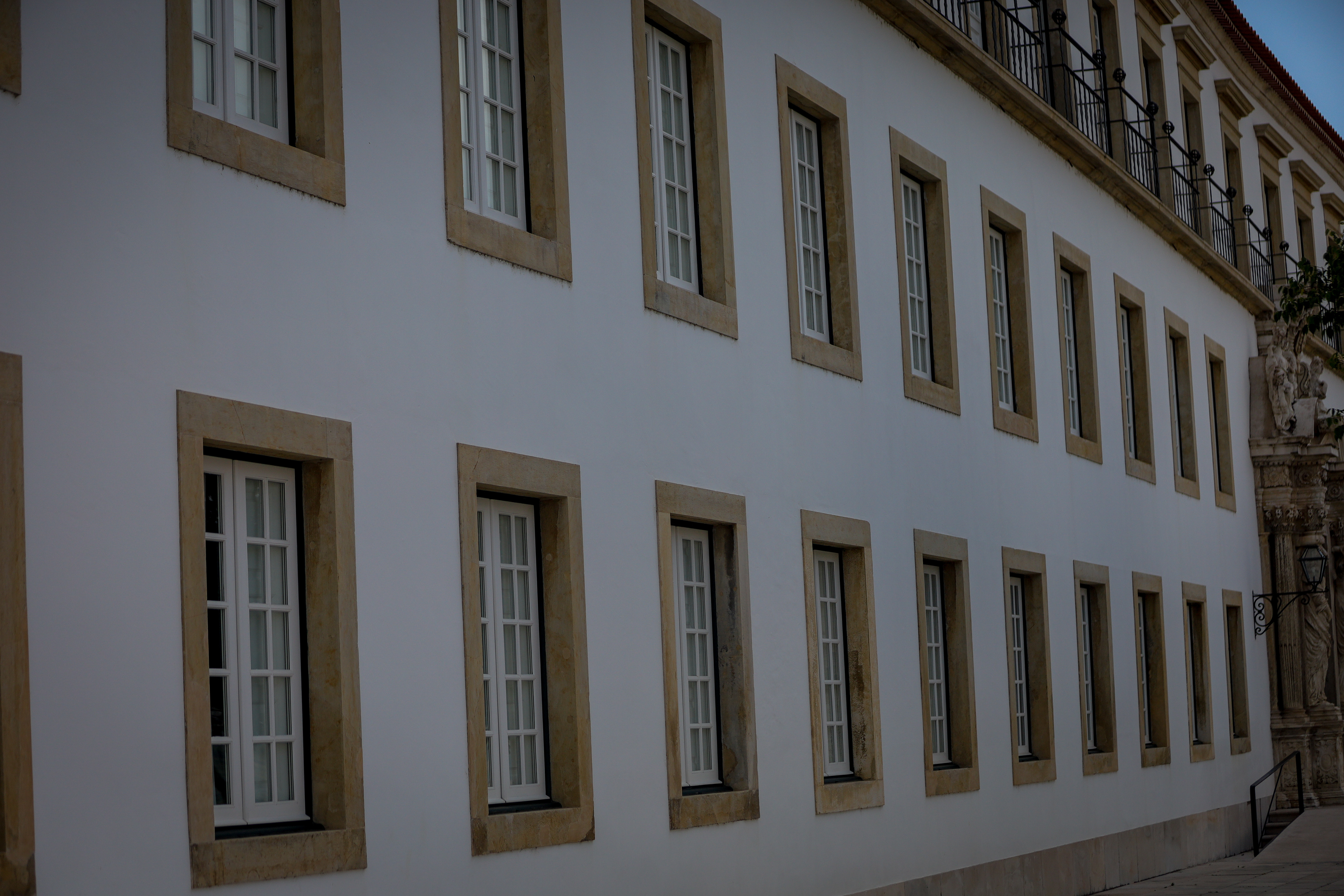
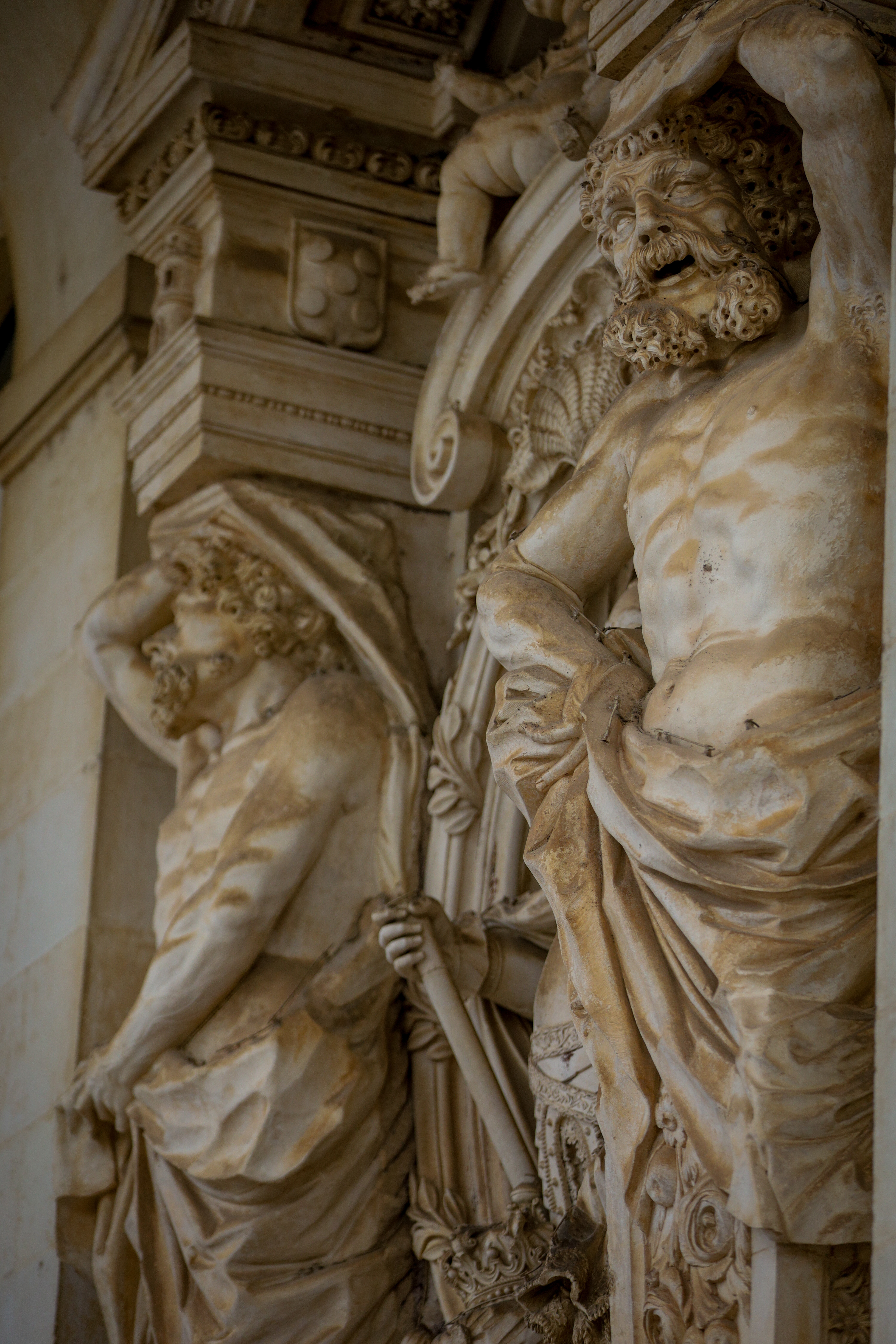
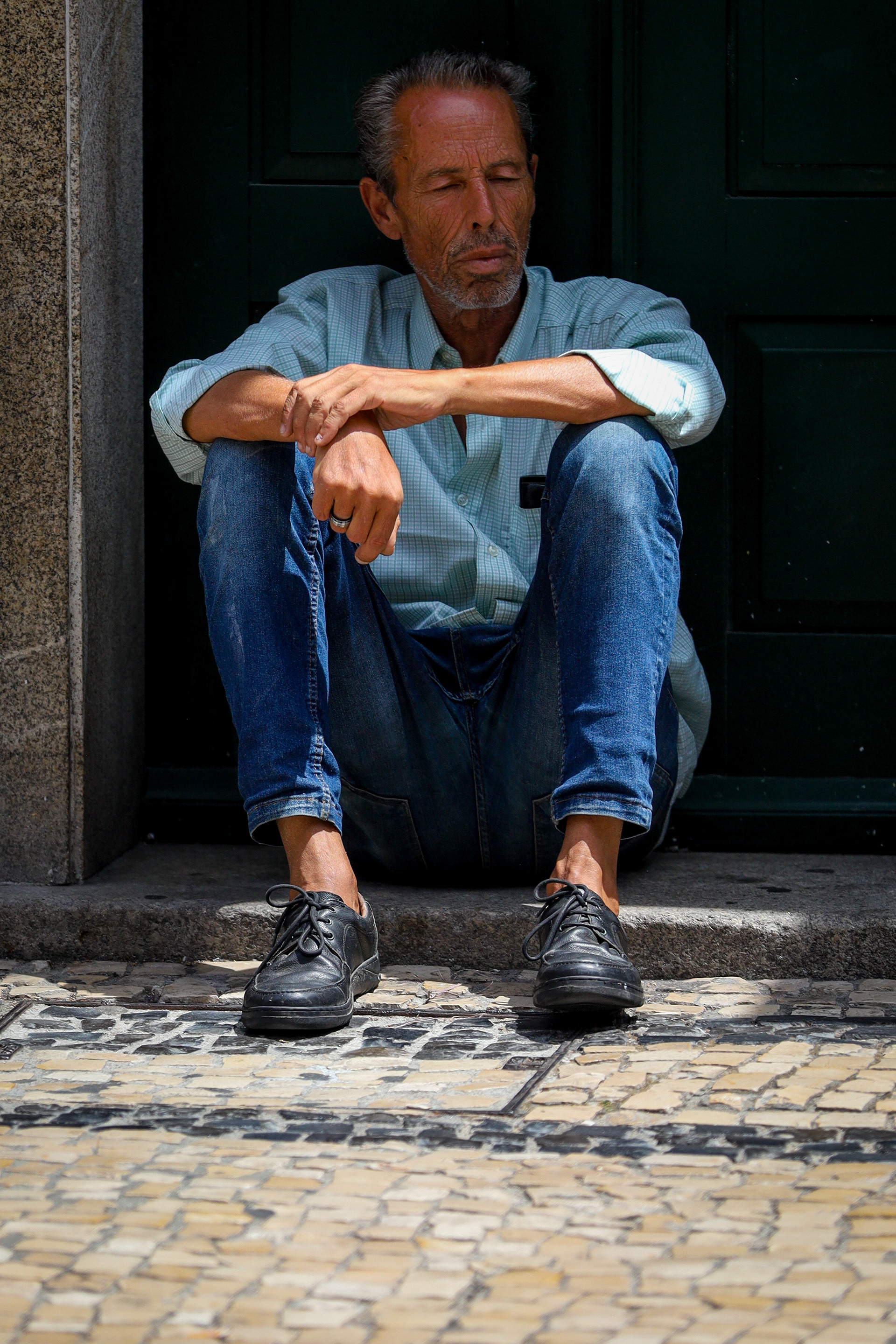
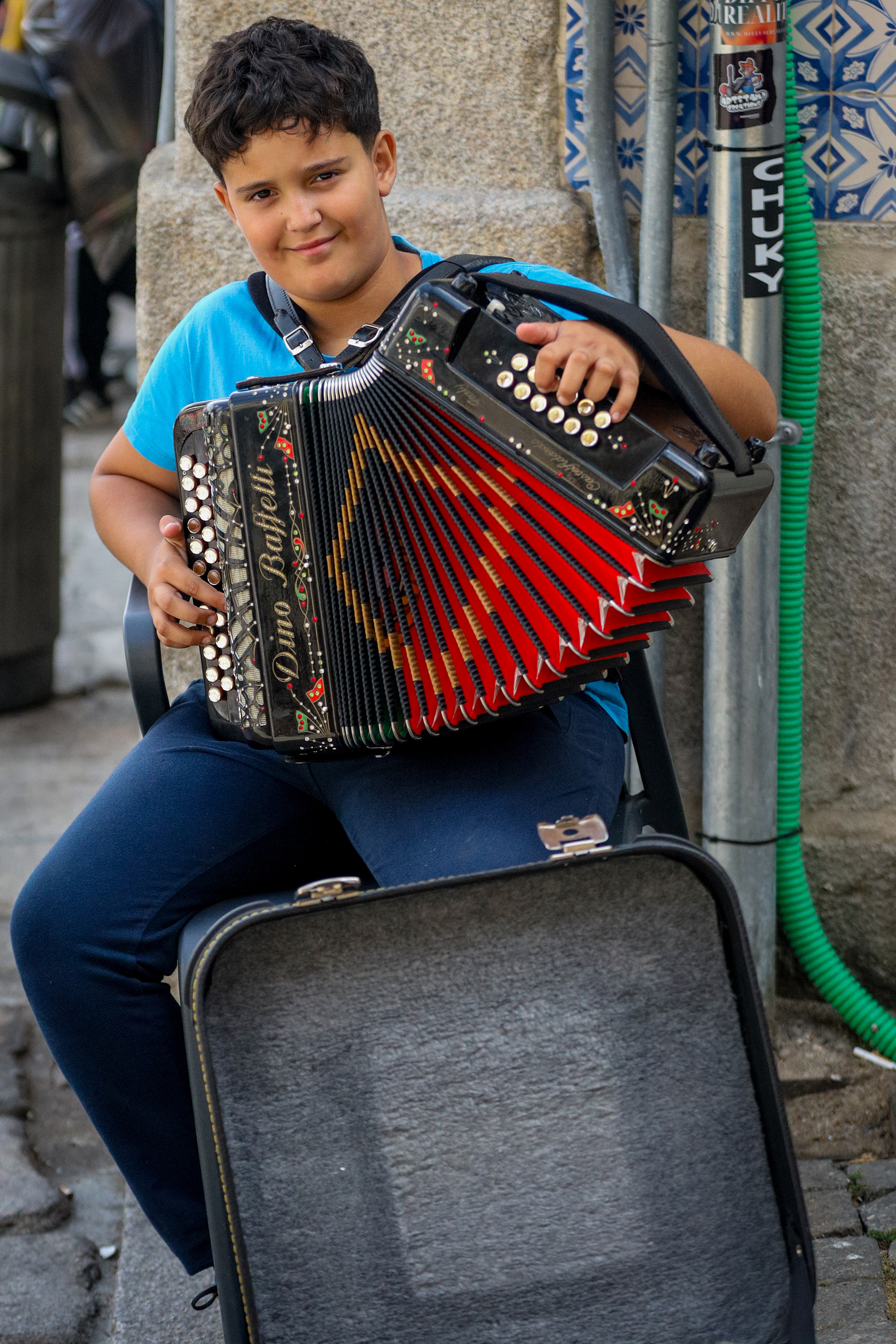
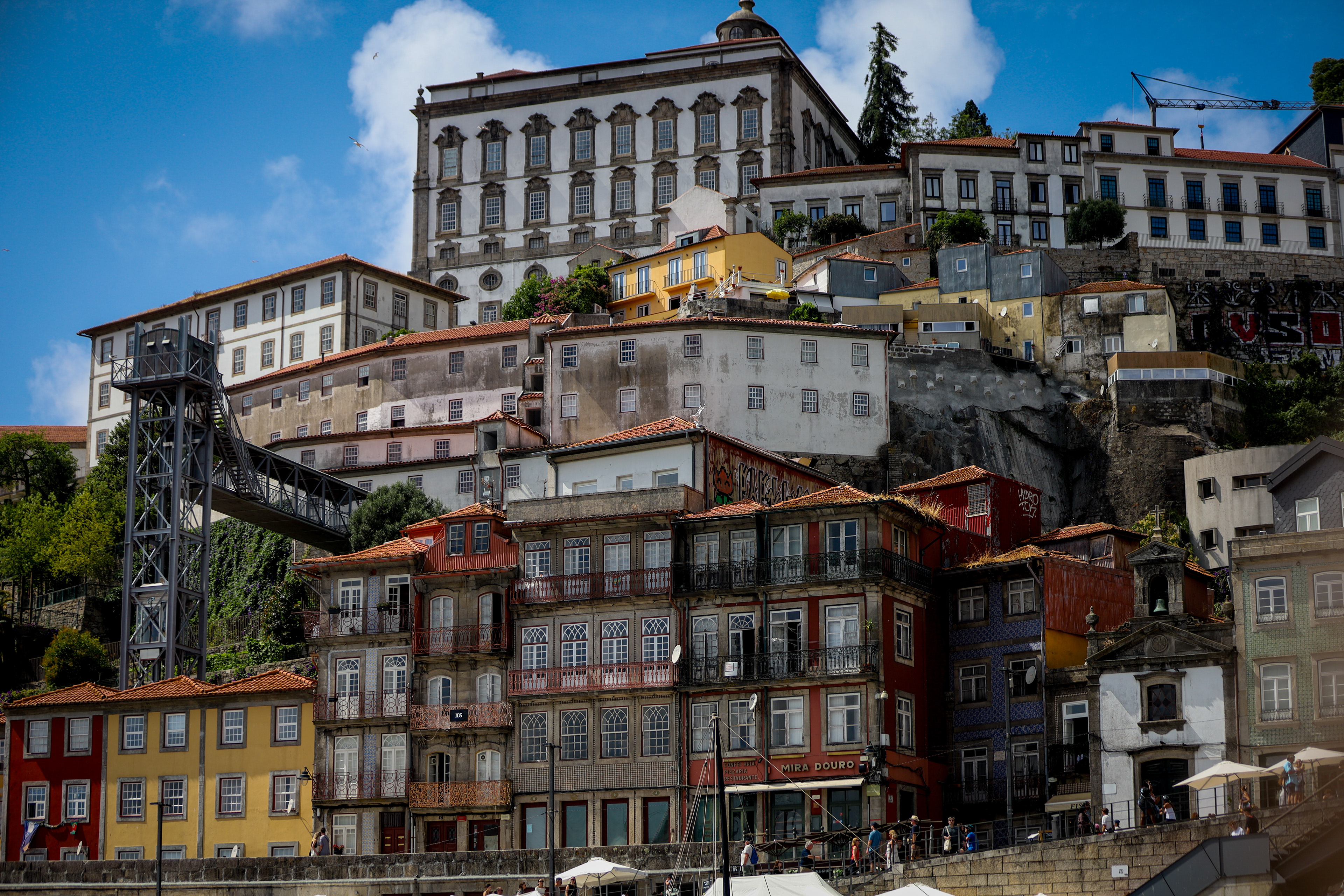
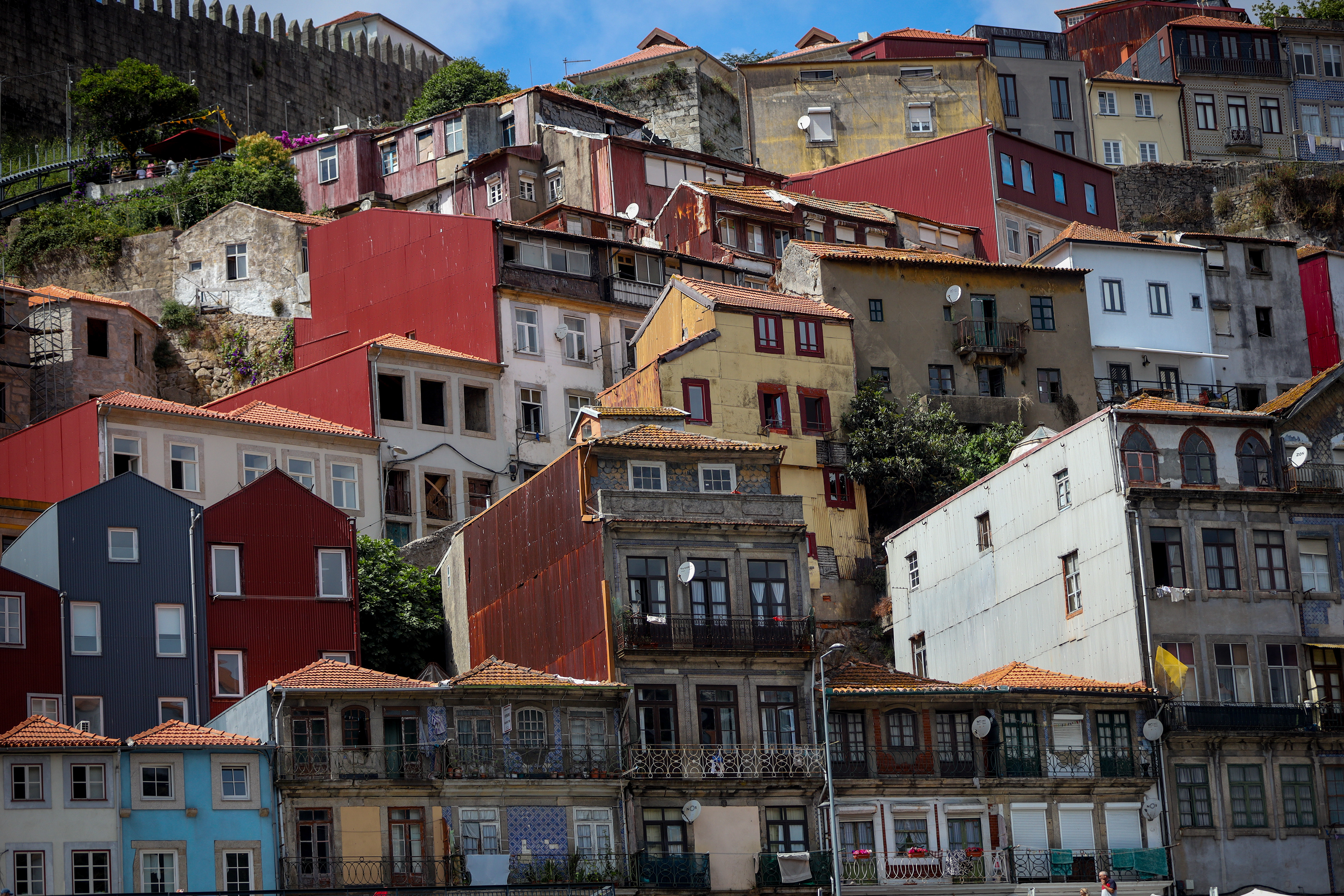
Coimbra moves at the pace of its hills.
Stone stairs, iron balconies, shaded lanes—it’s a city that asks you to walk without hurry. I kept finding quiet scenes: a window half open, laundry crossing a narrow sky, a cat holding court on a ledge.
Nothing dramatic, everything true. That’s where the pictures were for me.
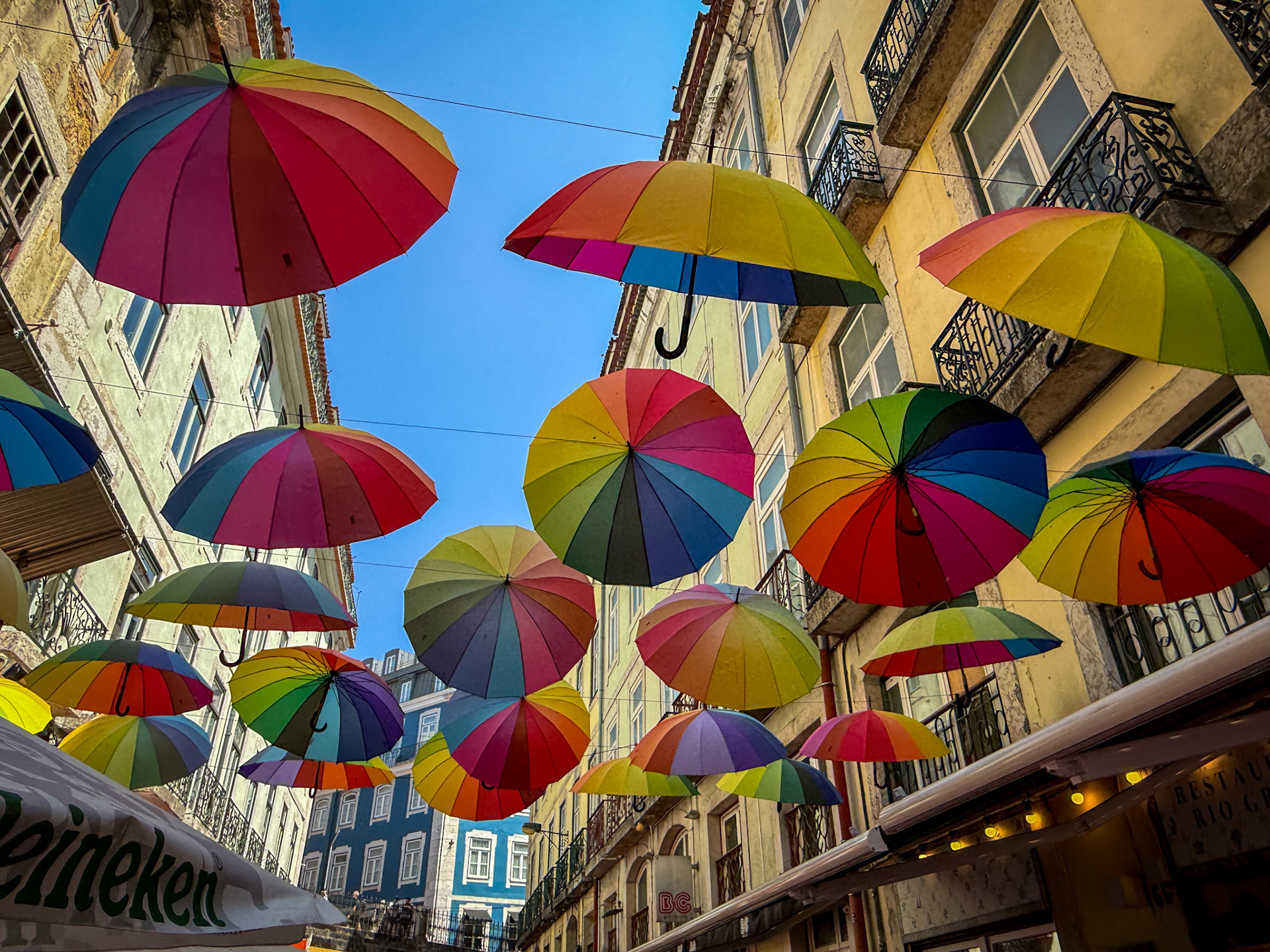
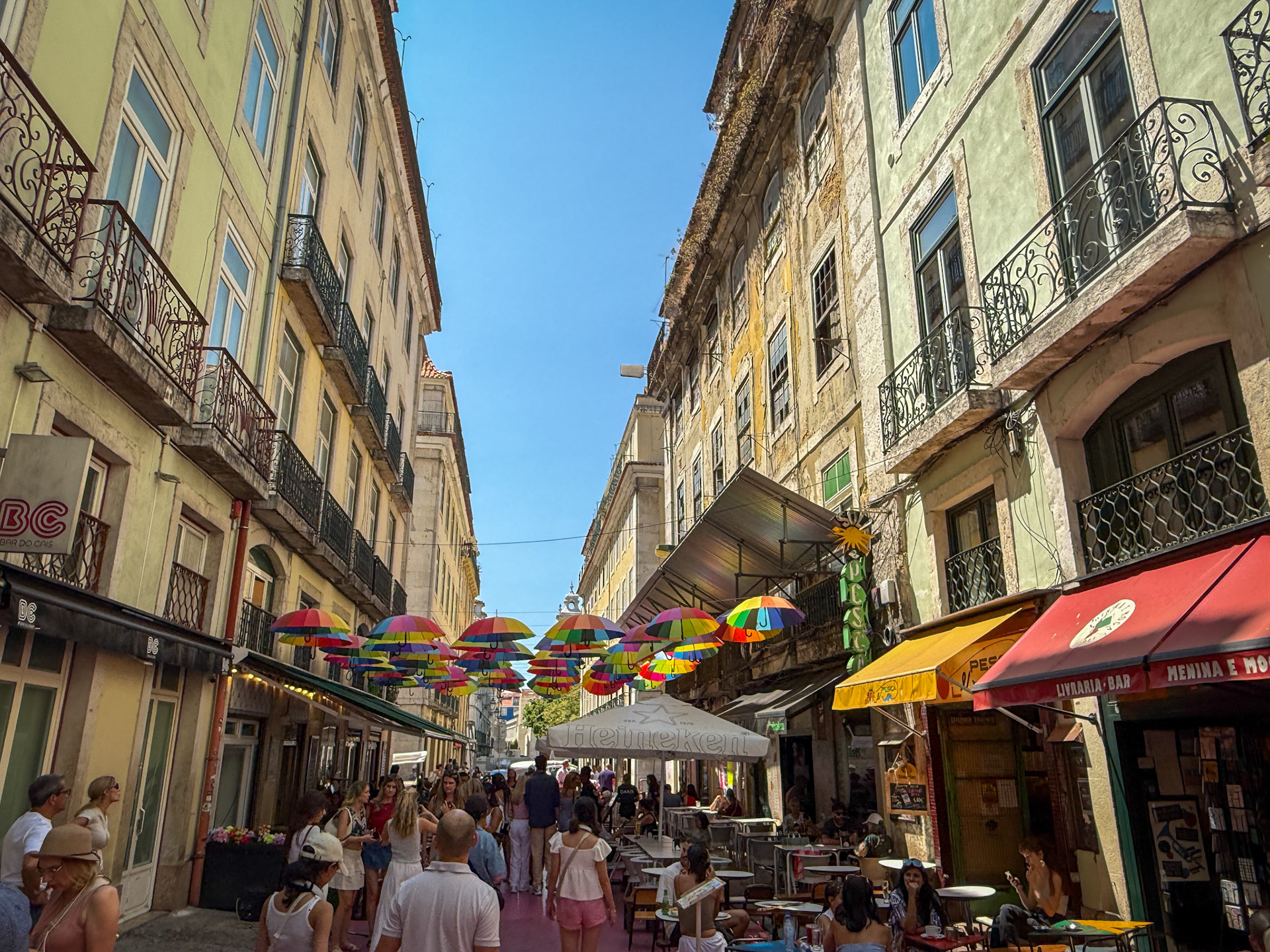
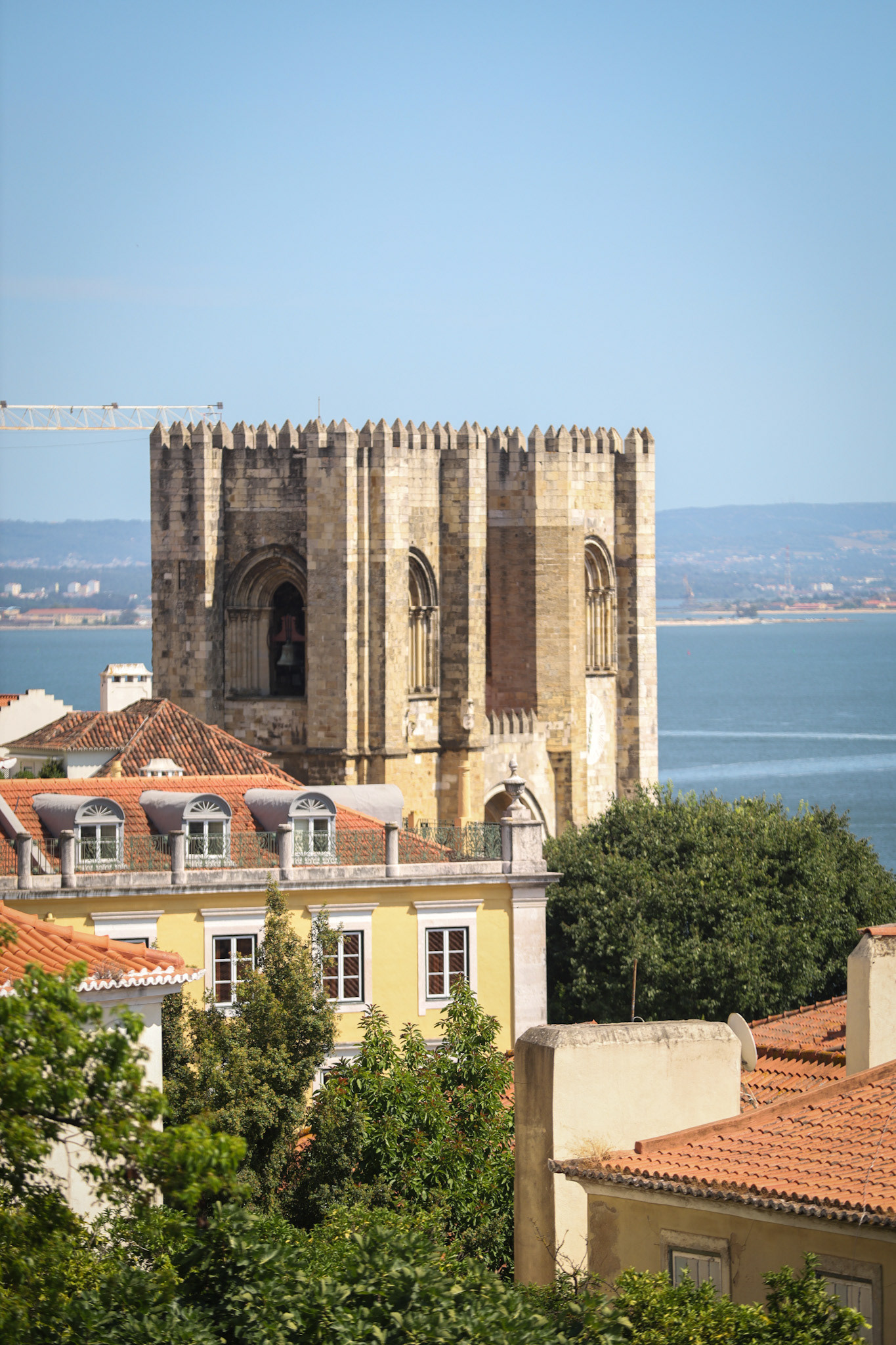
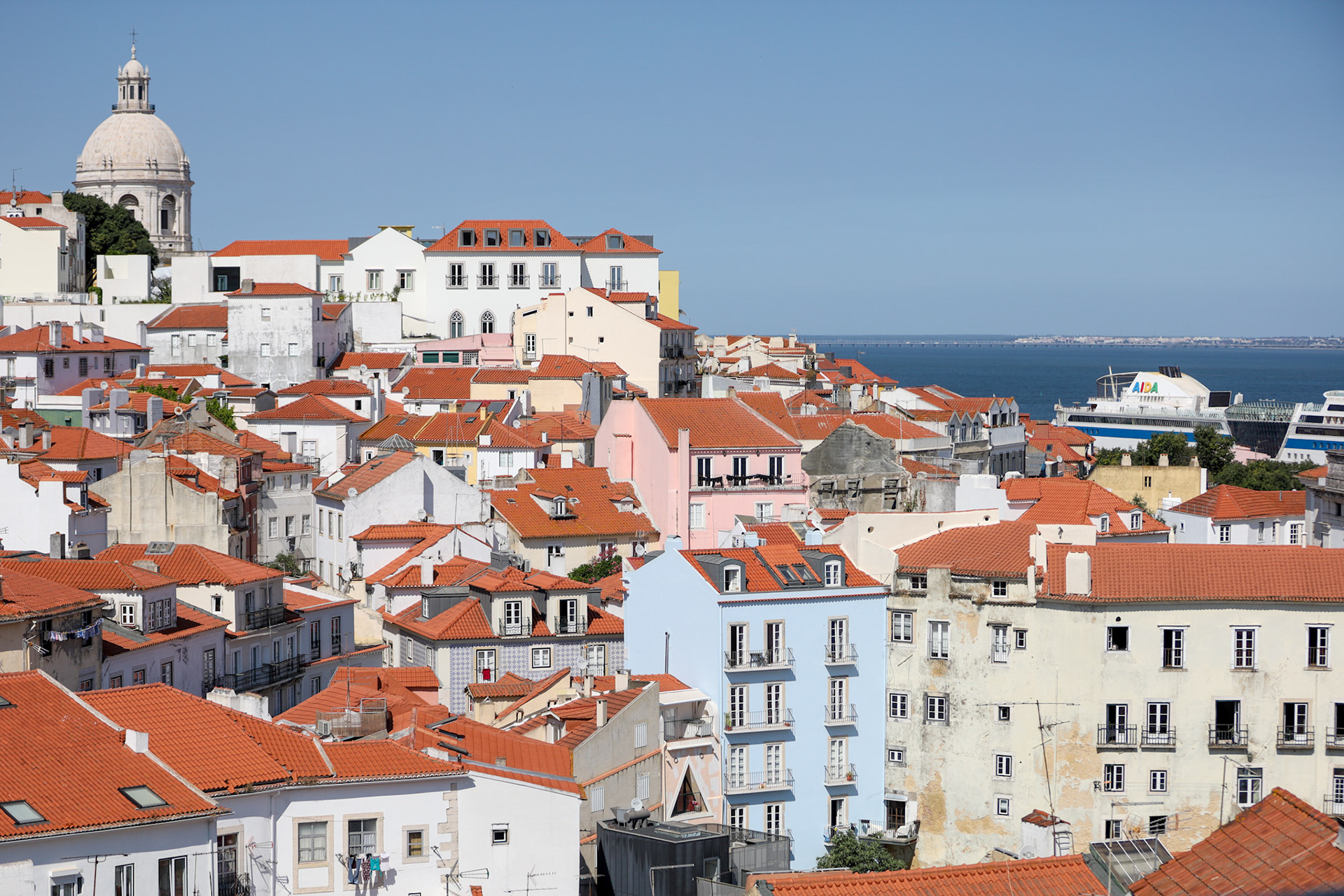
Streets of Lisbon 2025
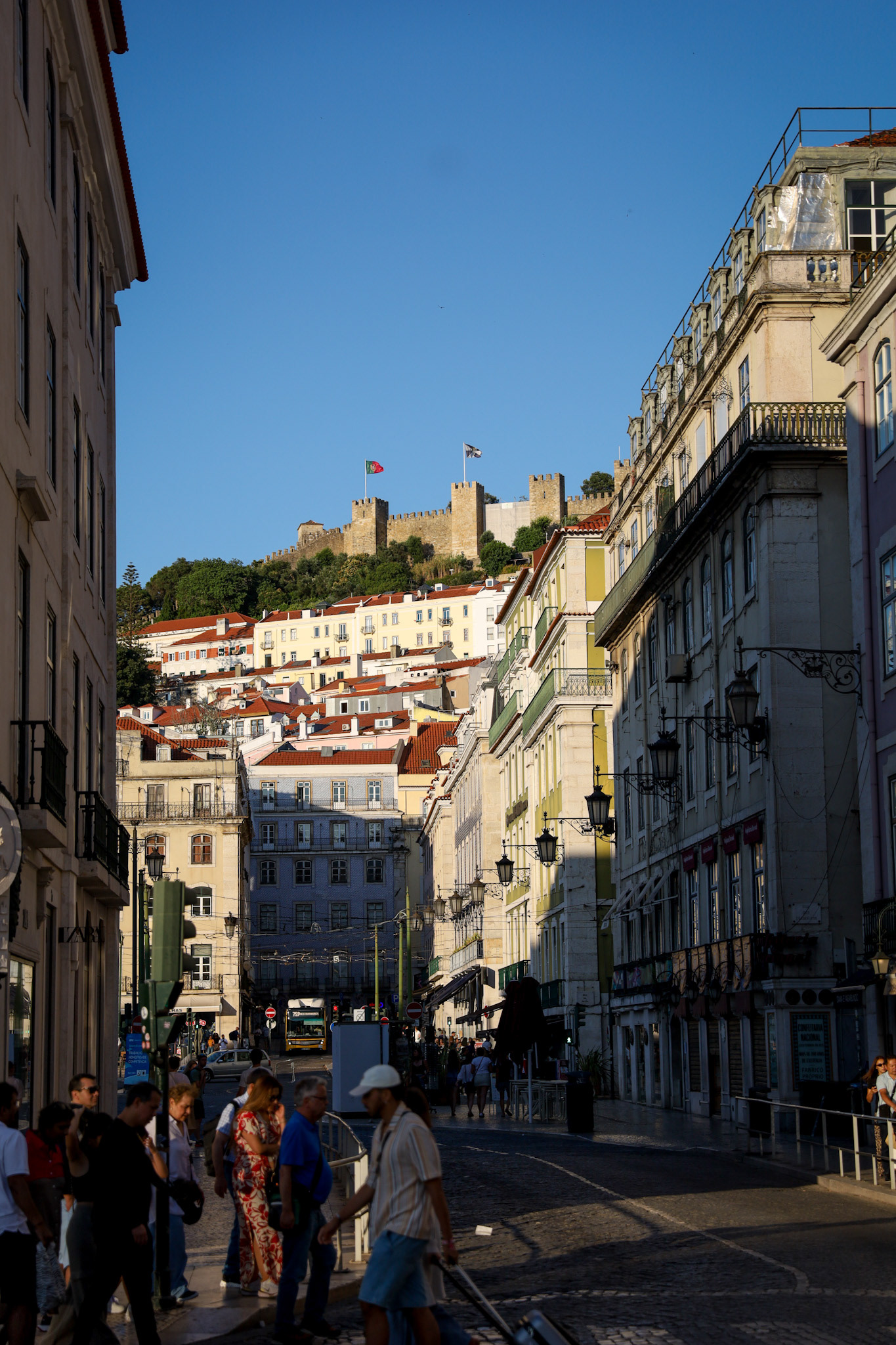
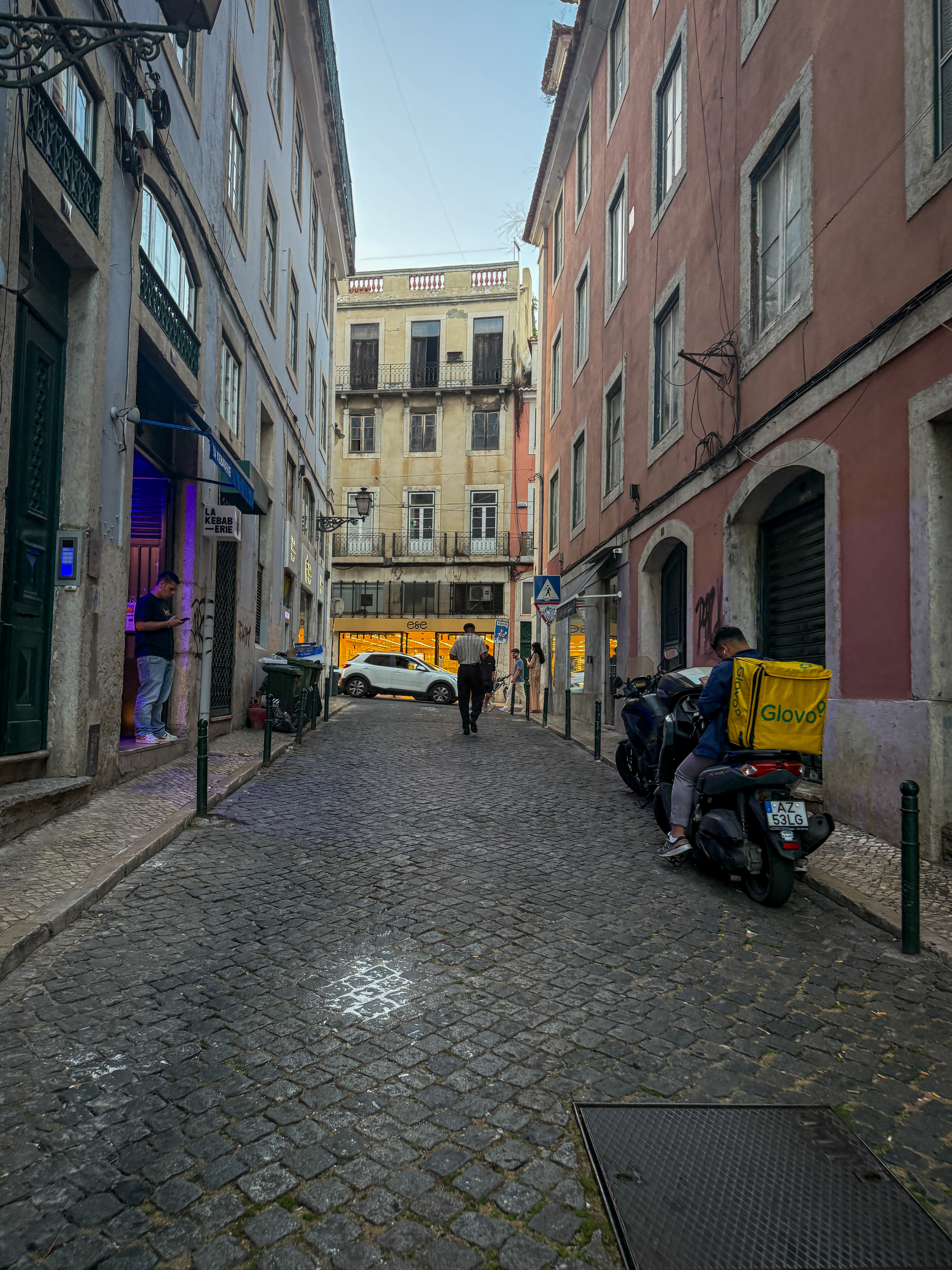
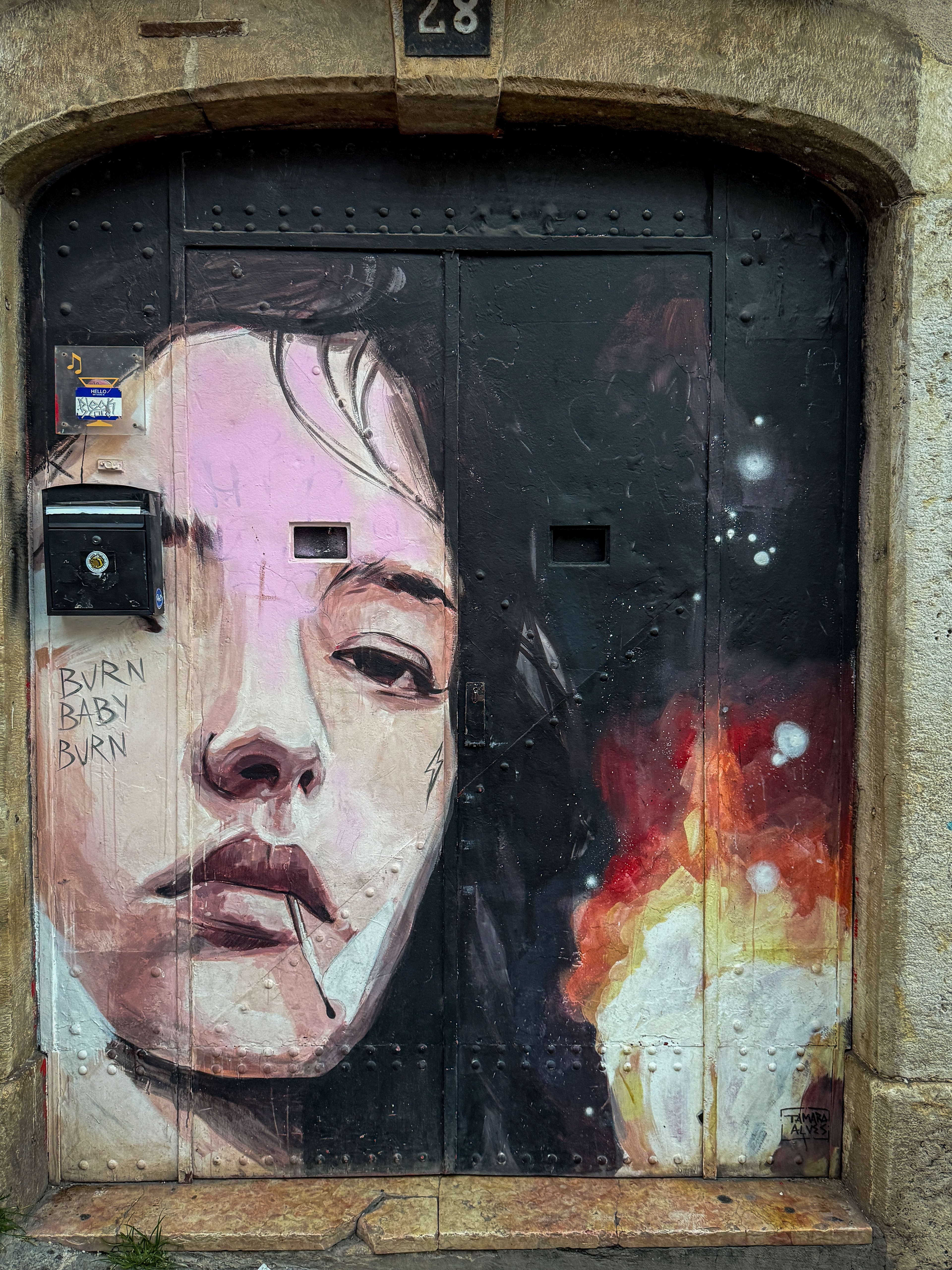
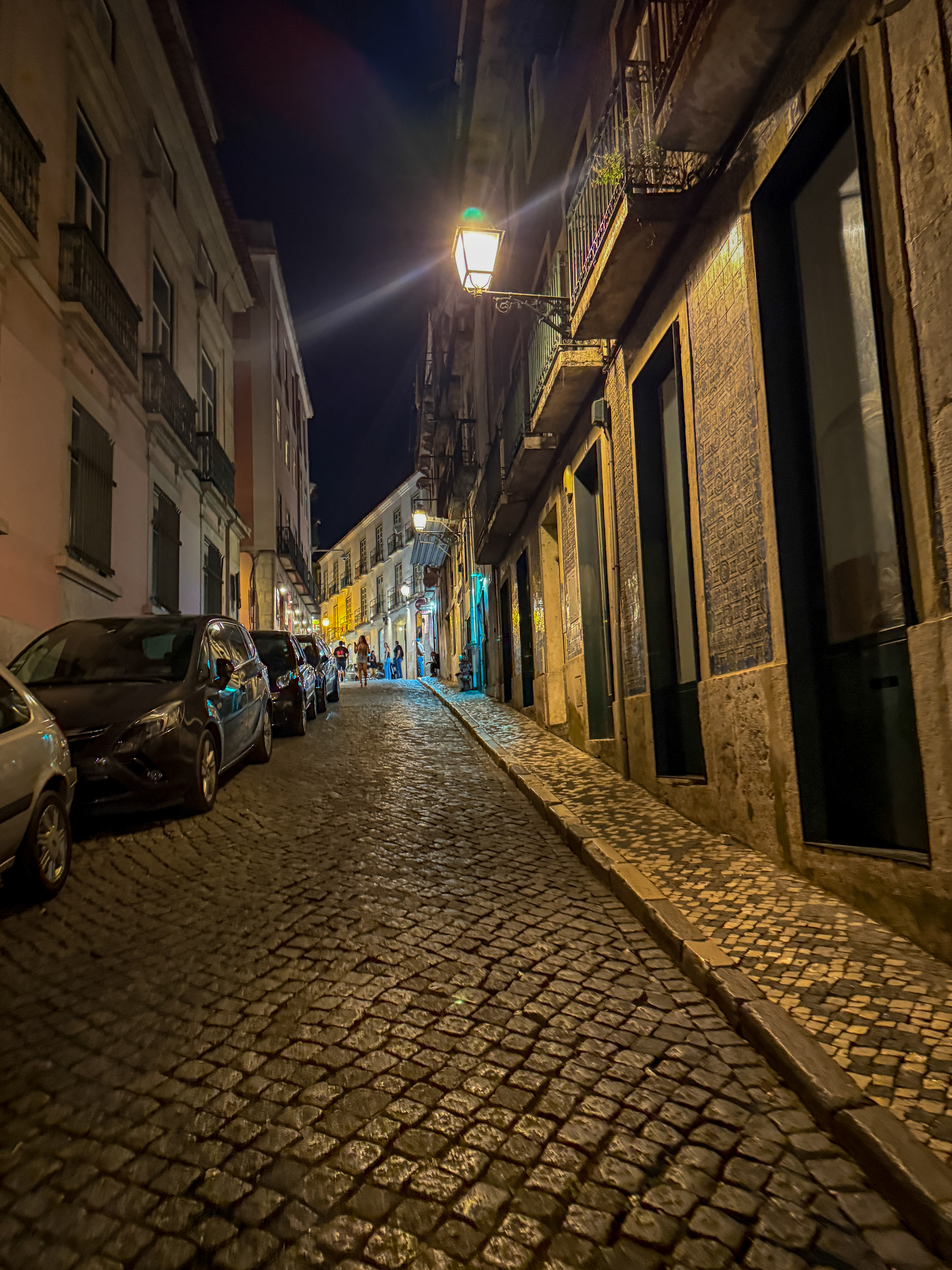
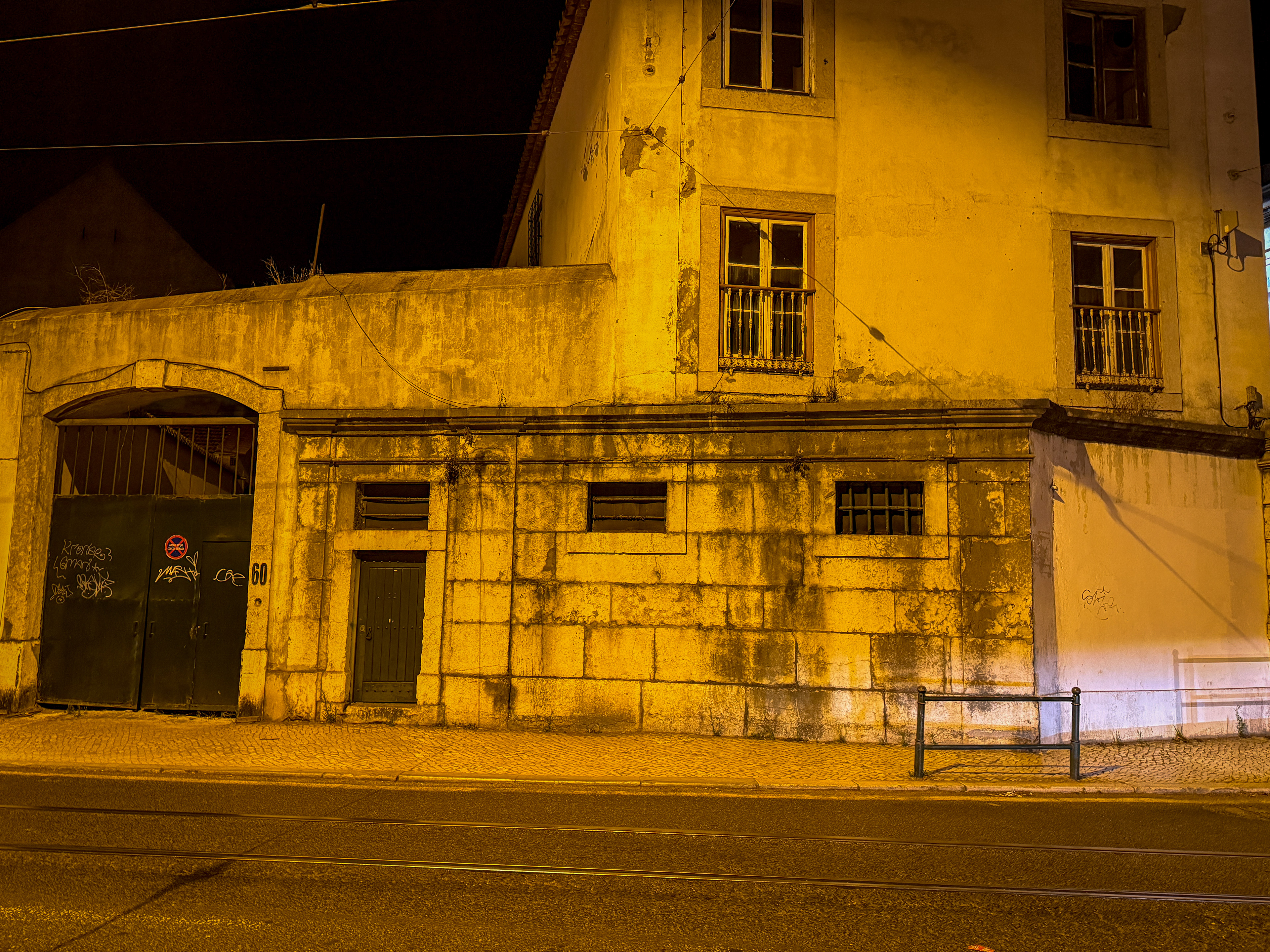
Lisbon rewards anyone who slows down.
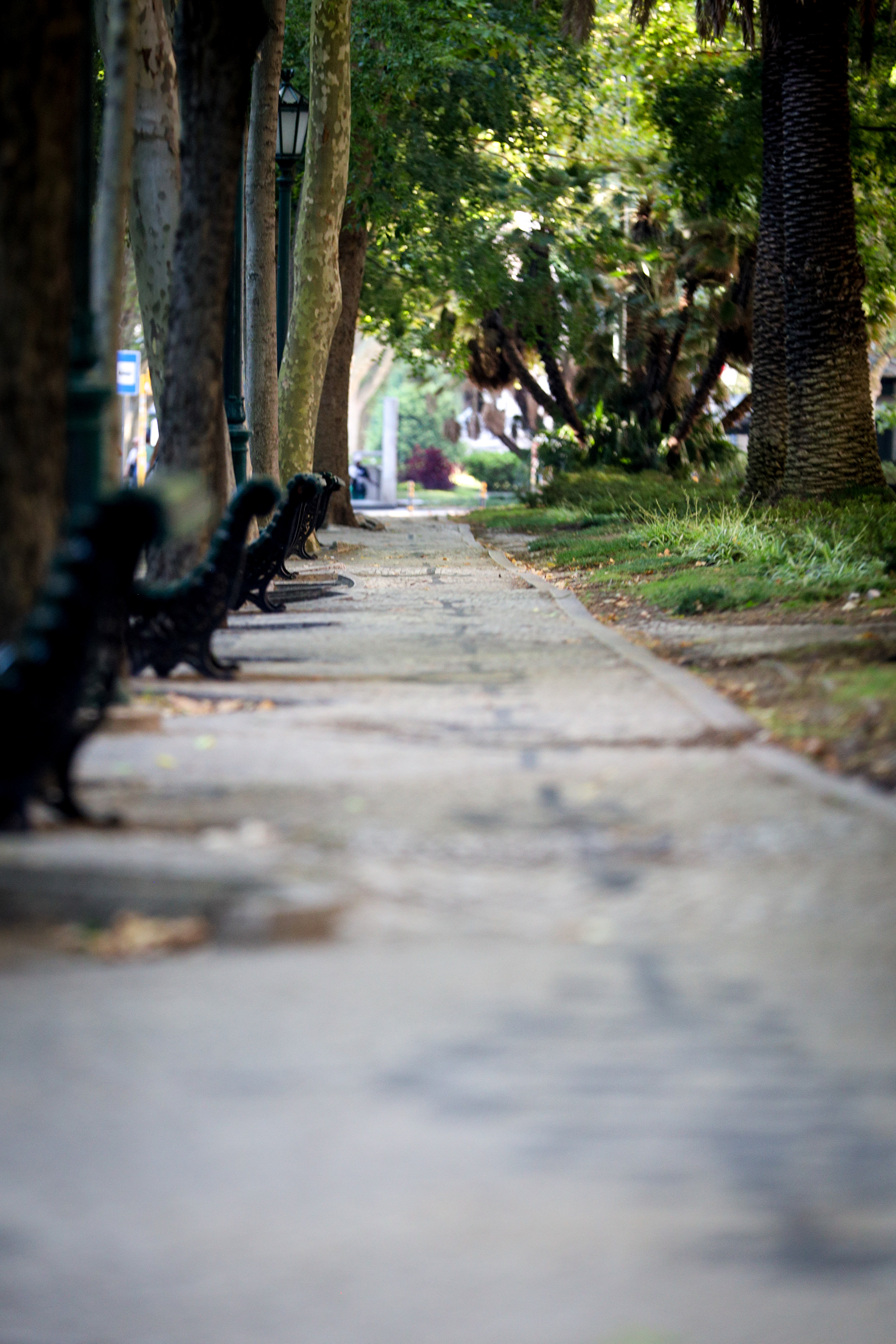
Tiles underfoot, trams sliding past, light climbing the walls—the city feels built for walking and watching. Most of my frames came from corners where nothing ‘big’ happened: a pause in a doorway, a broom on stone, a laugh drifting up a hill. Those small notes add up. They tell you how a place breathes.
These were made on a National Geographic trip, and the best souvenir wasn’t a landmark shot—it was the rhythm of the streets.
Chapel of Bones in Évora (UNESCO) 2025
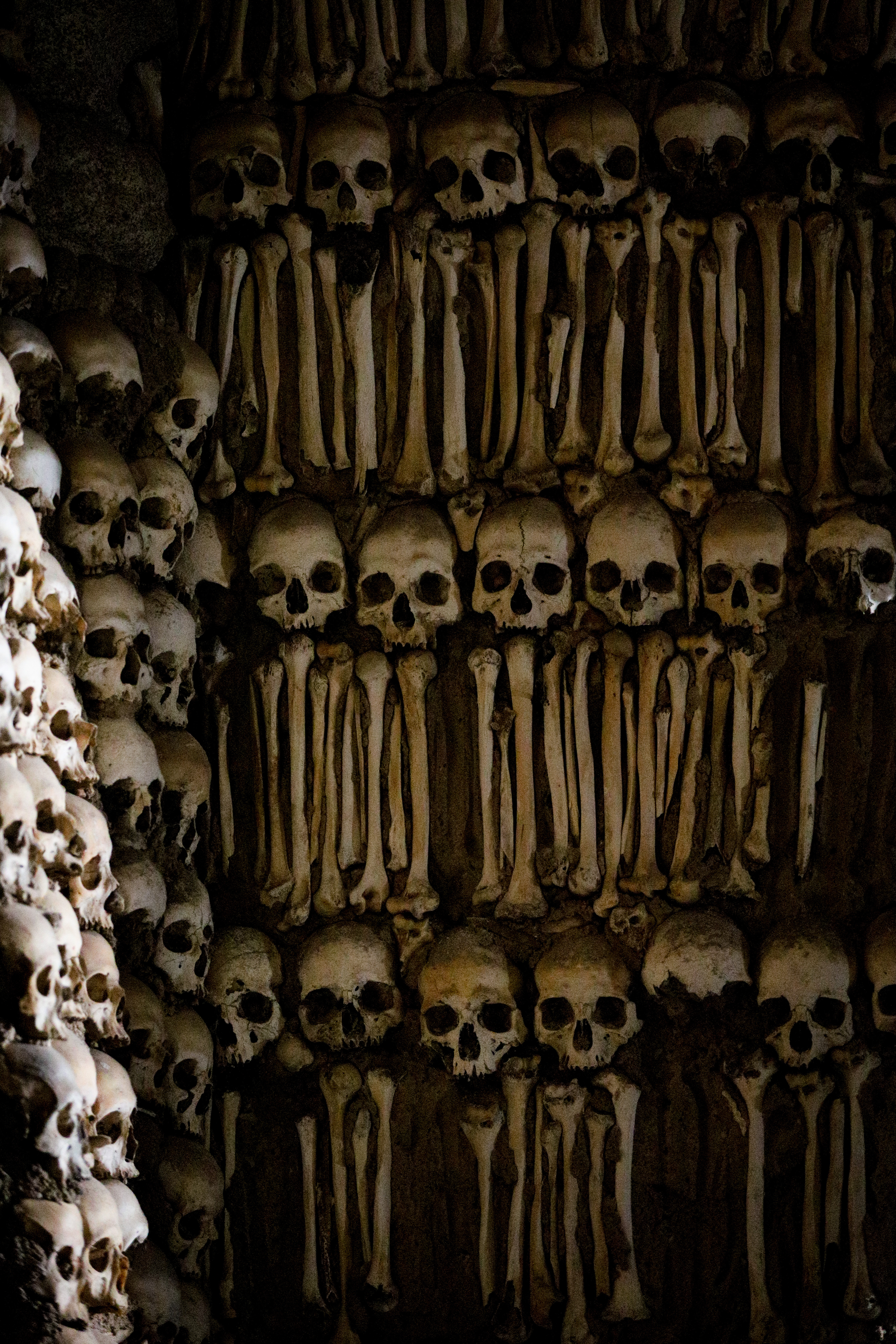
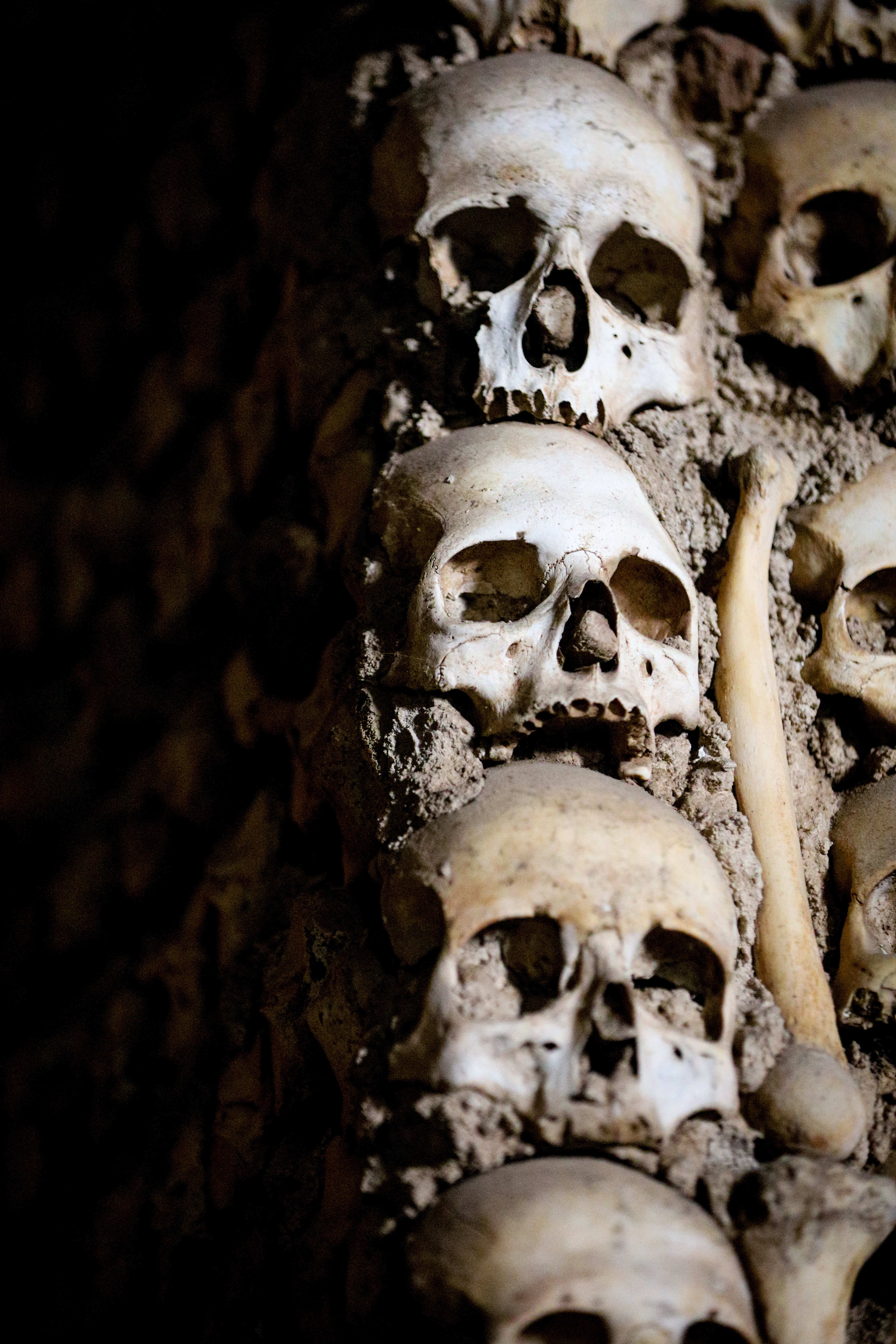
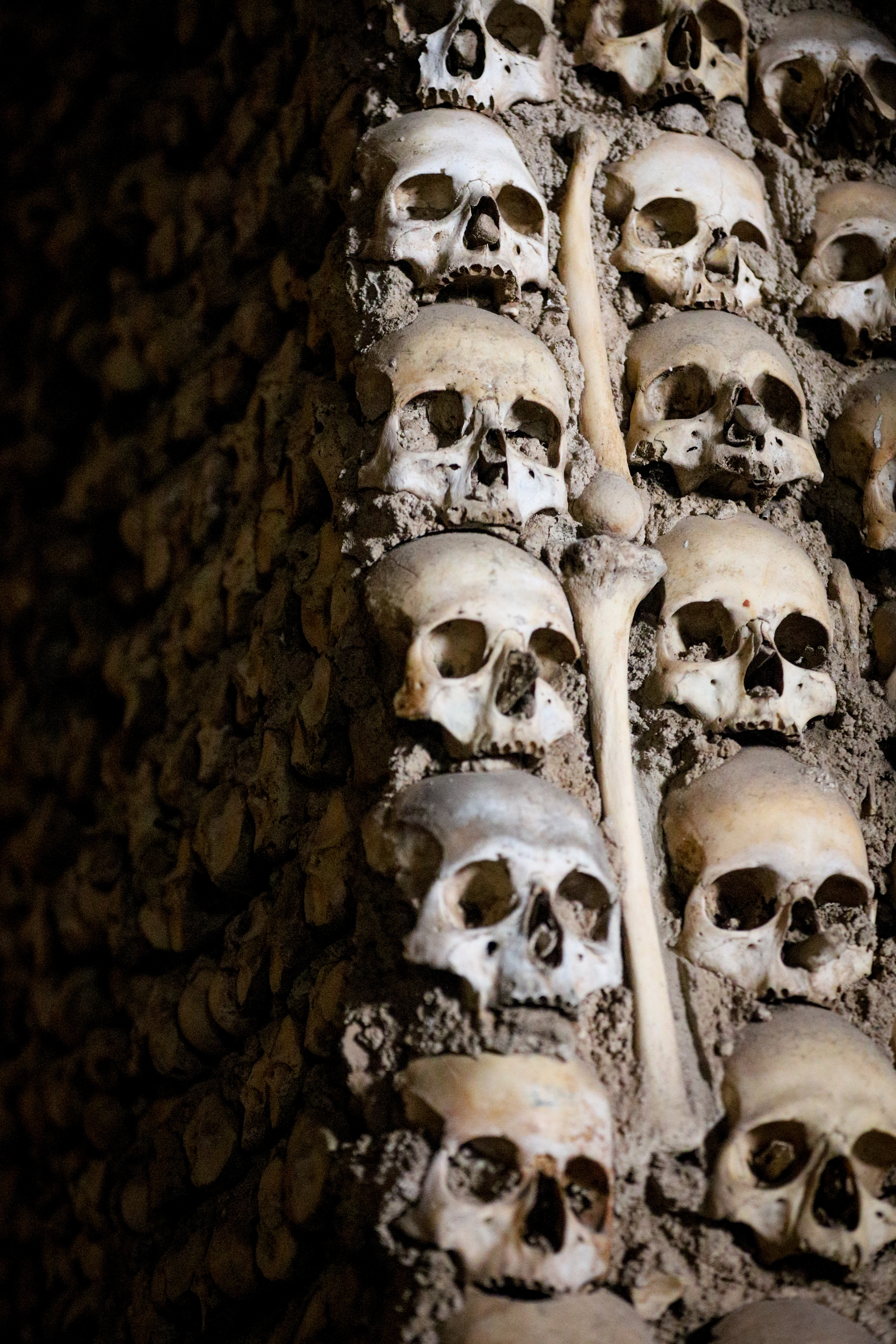
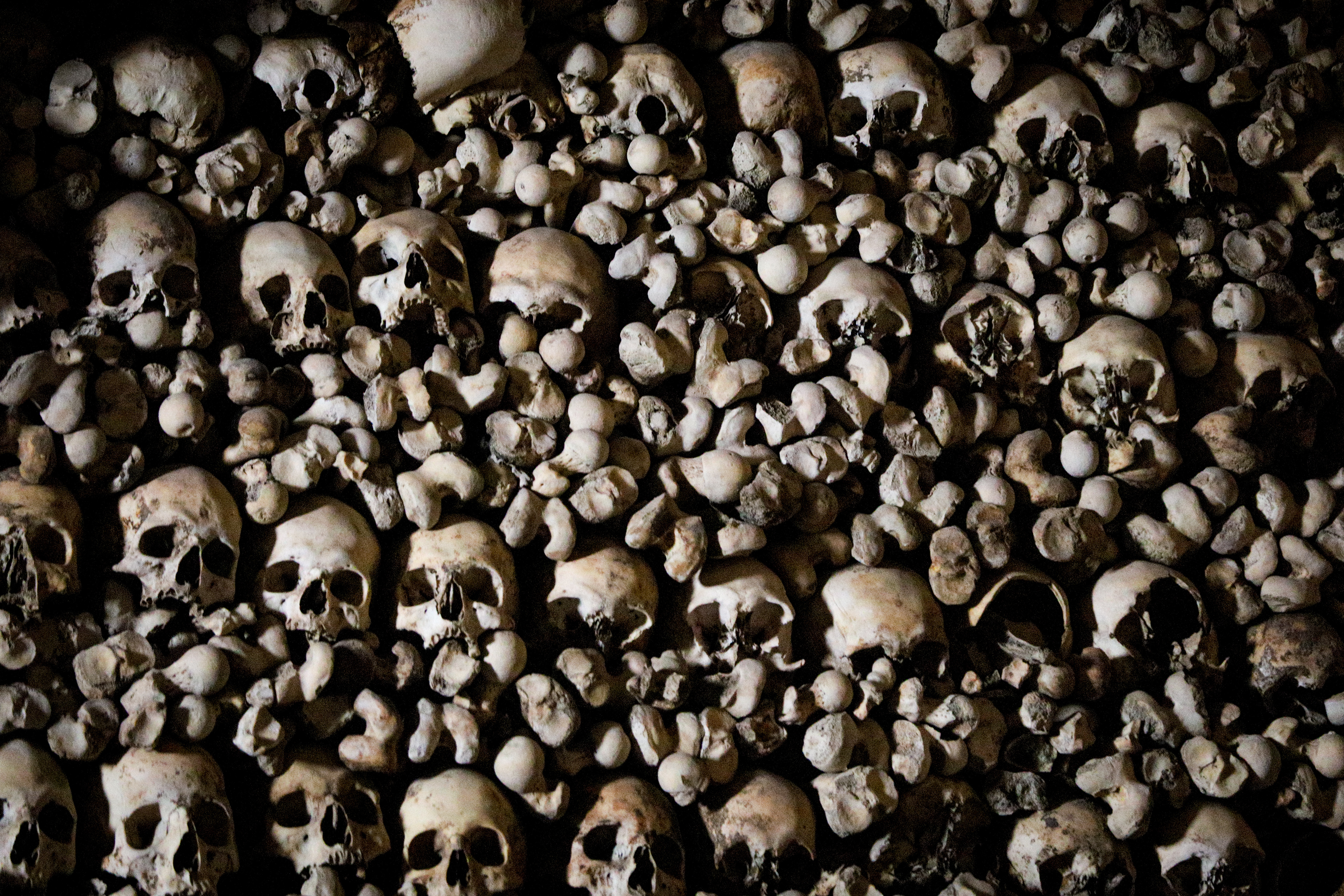
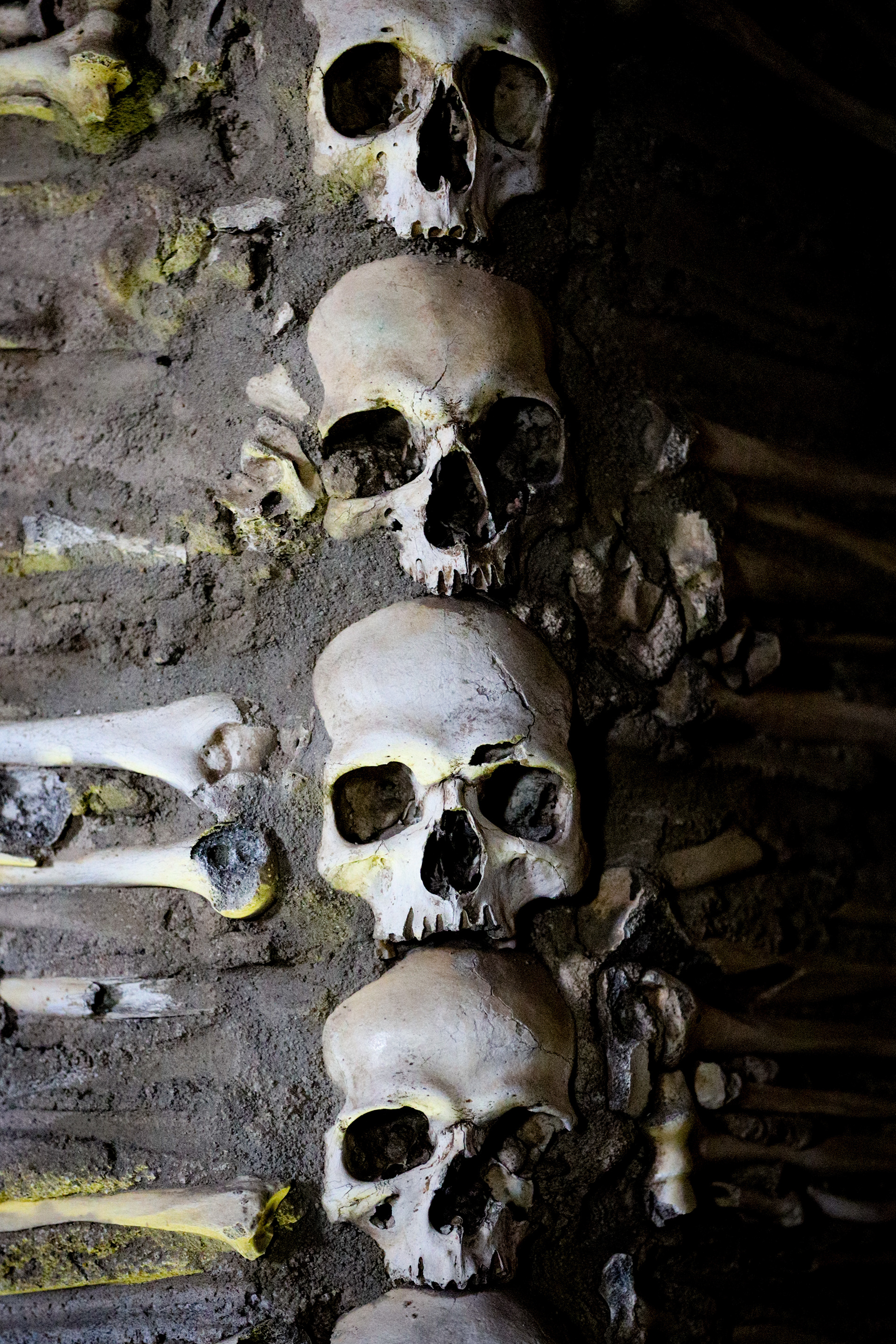
The Chapel of Bones sounds harsh until you’re standing inside.
It’s quiet and deliberate—bones arranged with care, reminding you that a city stands on many lives.
I leaned into texture and pattern; the room is more tender than shocking. You leave thoughtful, not rattled.
Fado at Adega Machado in Lisbon 2025
Fado starts quiet and ends up in your chest.
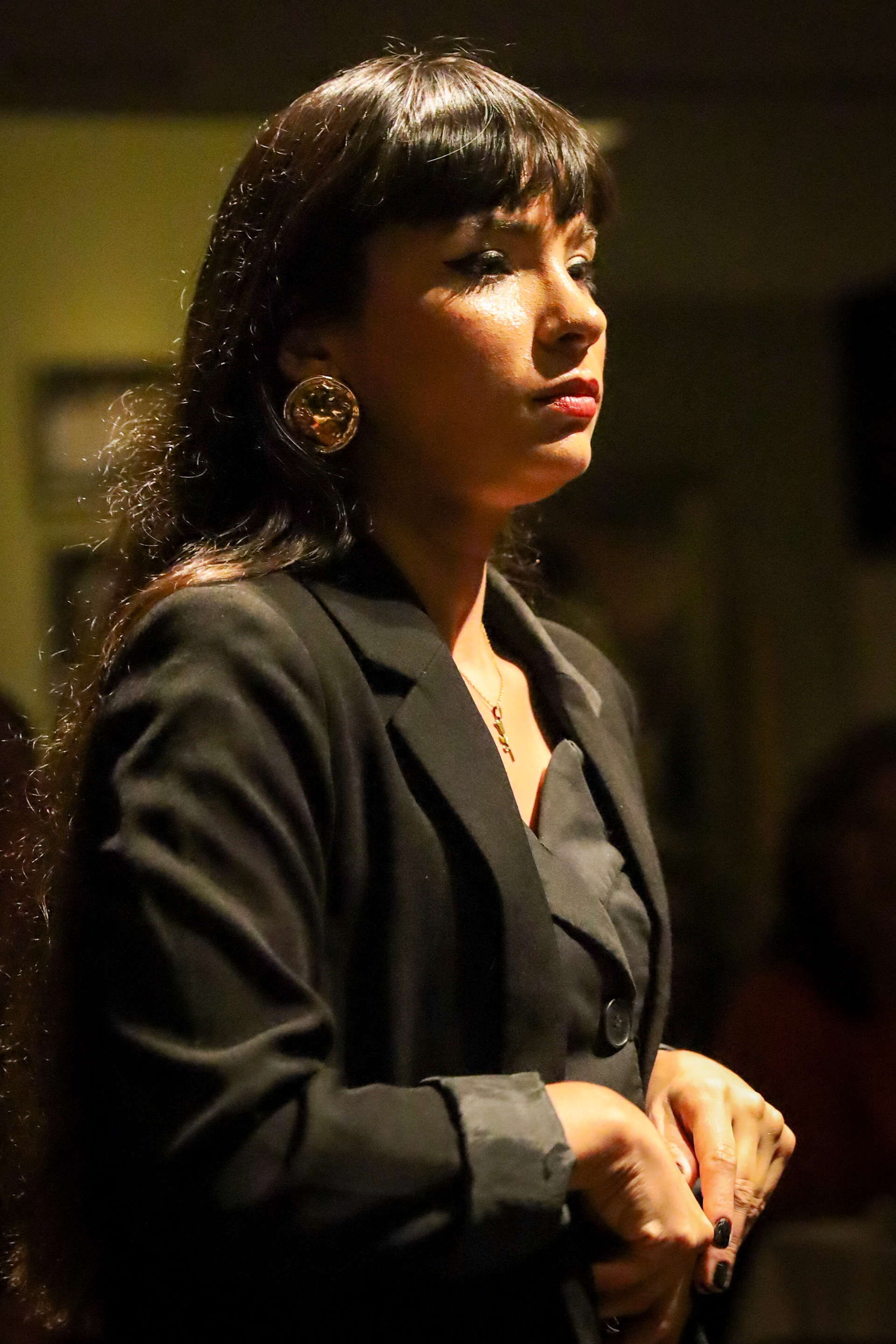
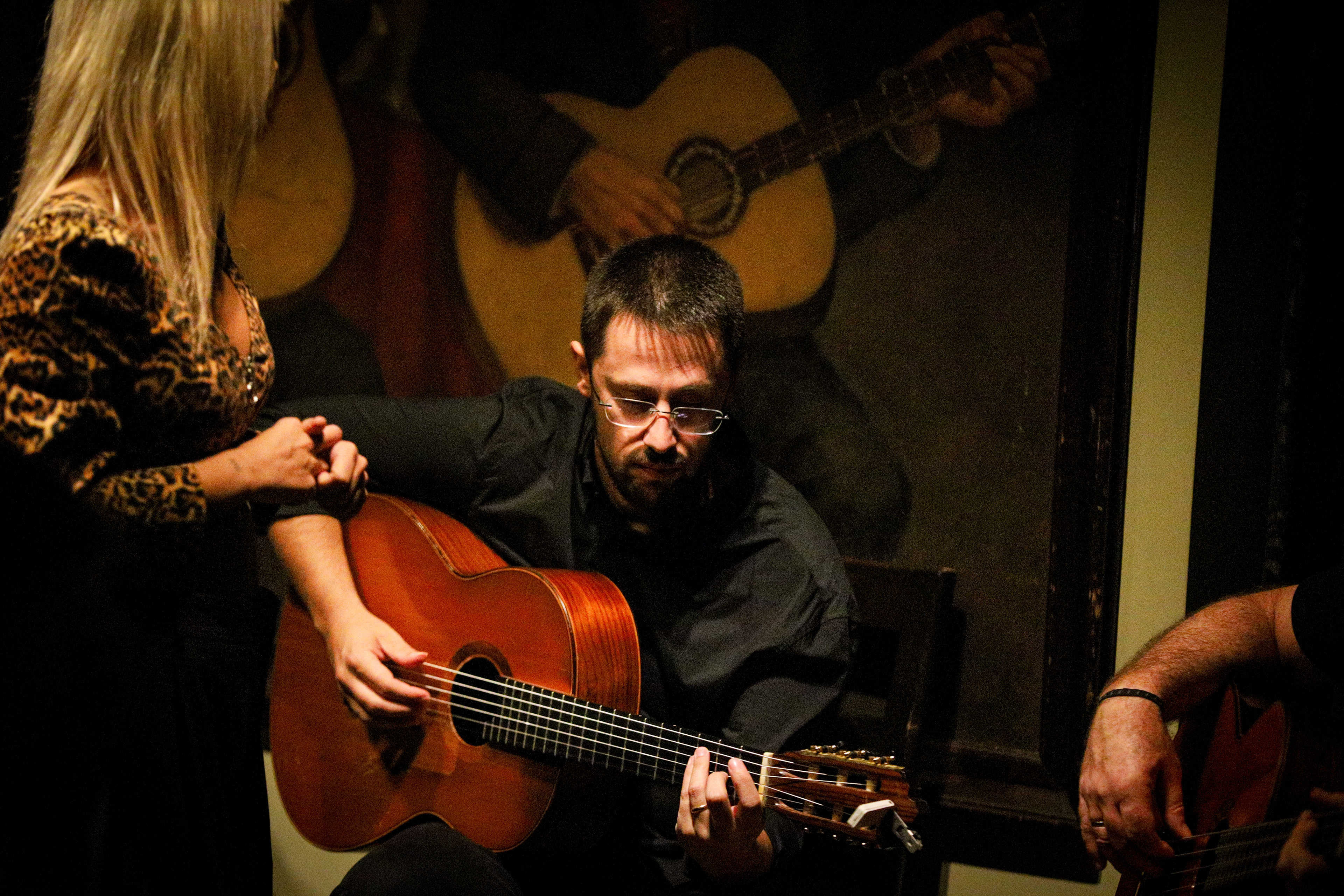
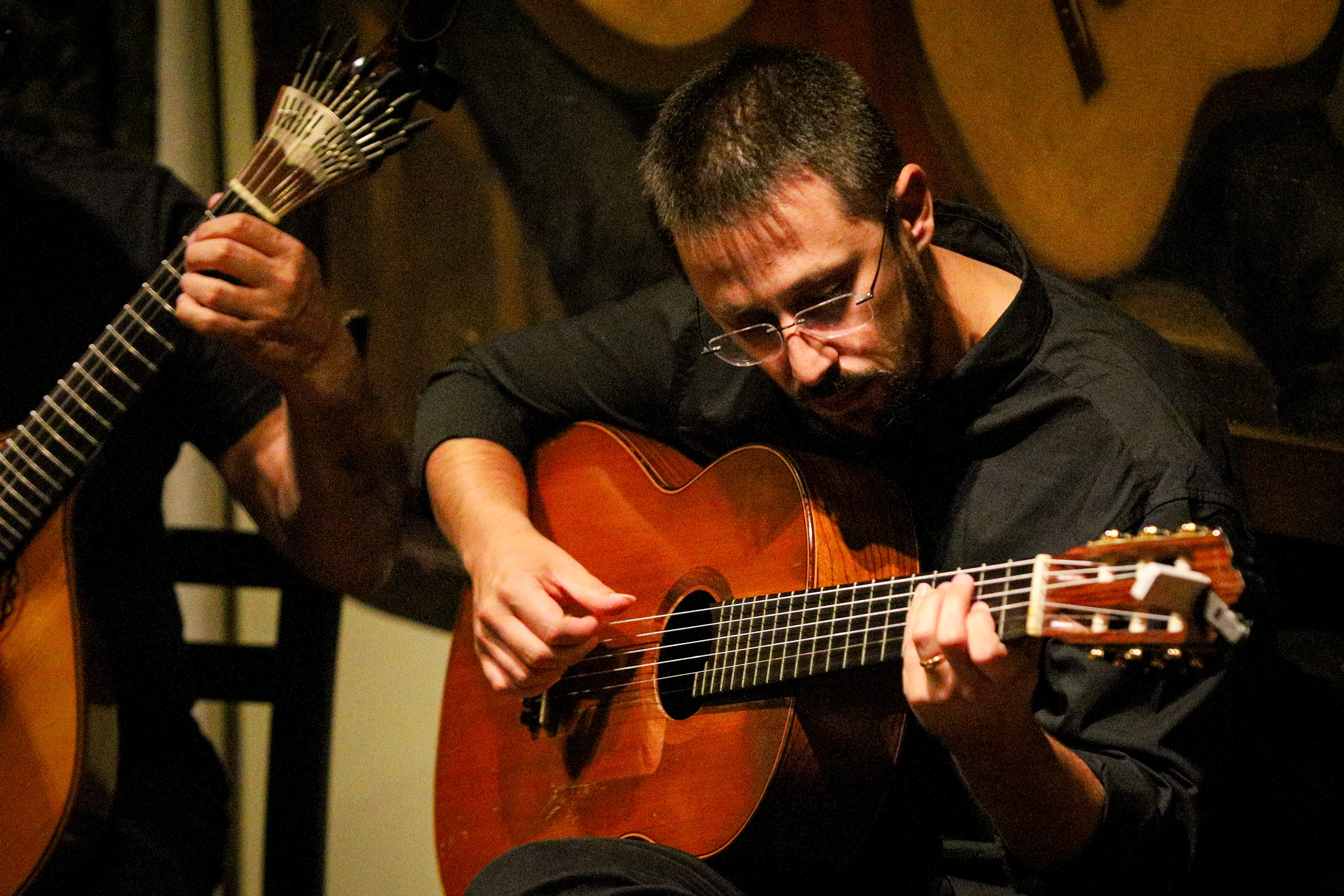
At Adega Machado I waited for breath and stillness—the blink between notes, the hands settling on strings. The room leaned forward together, strangers sharing the same story for a few minutes.
Photographing music is mostly patience.
When it lands, you feel it before you see it. These frames come from that edge where silence and sound trade places.
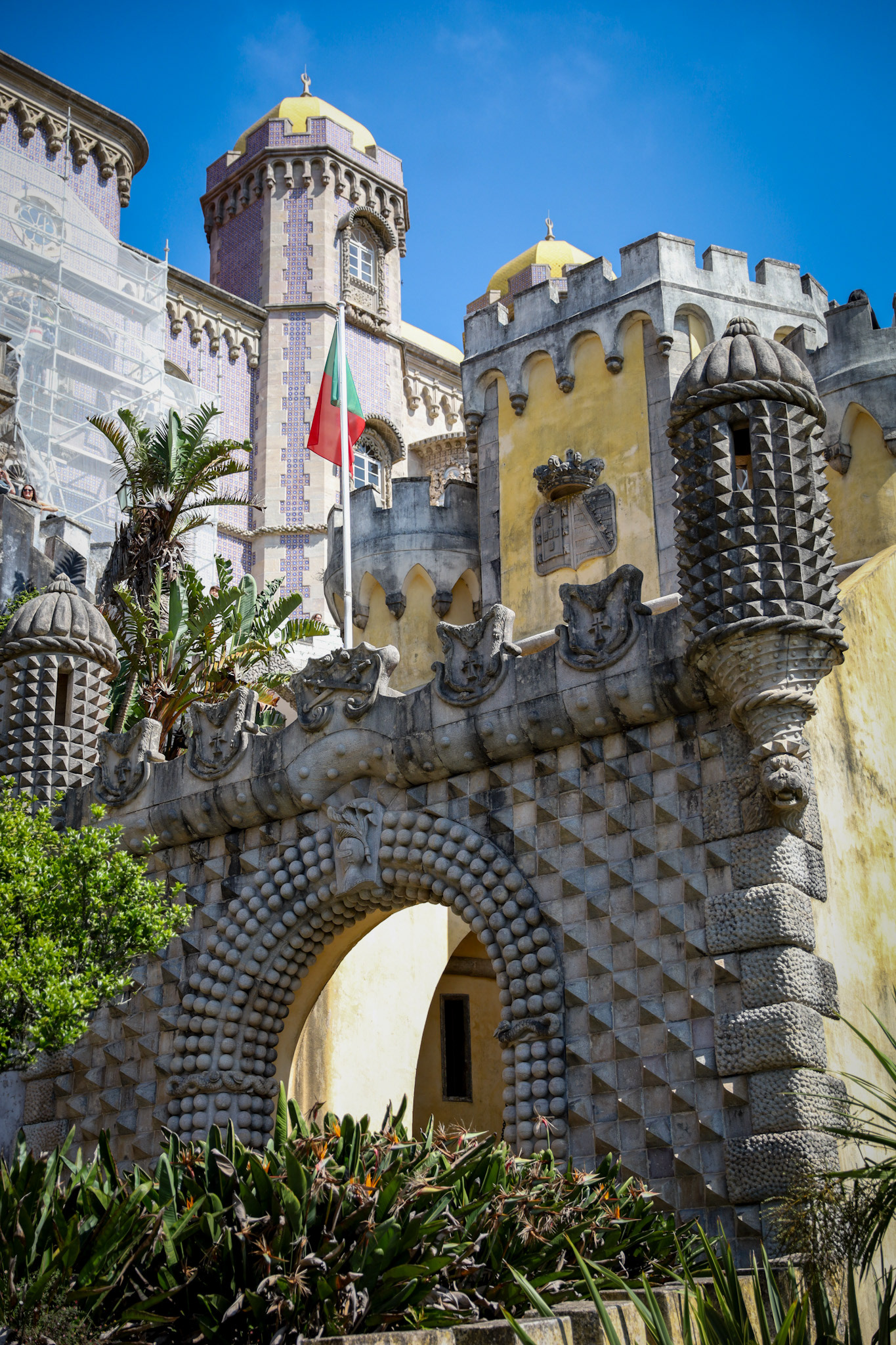
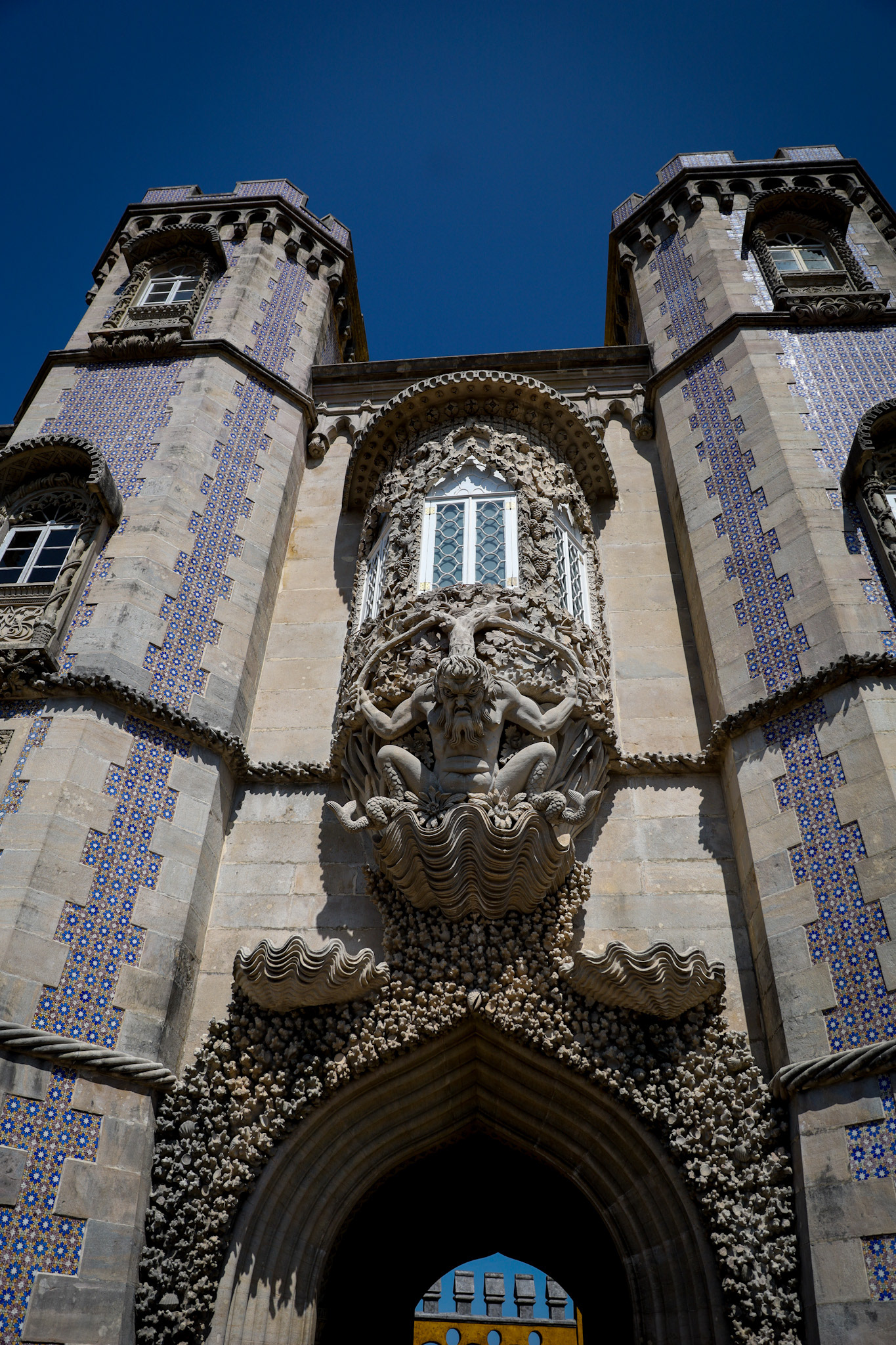
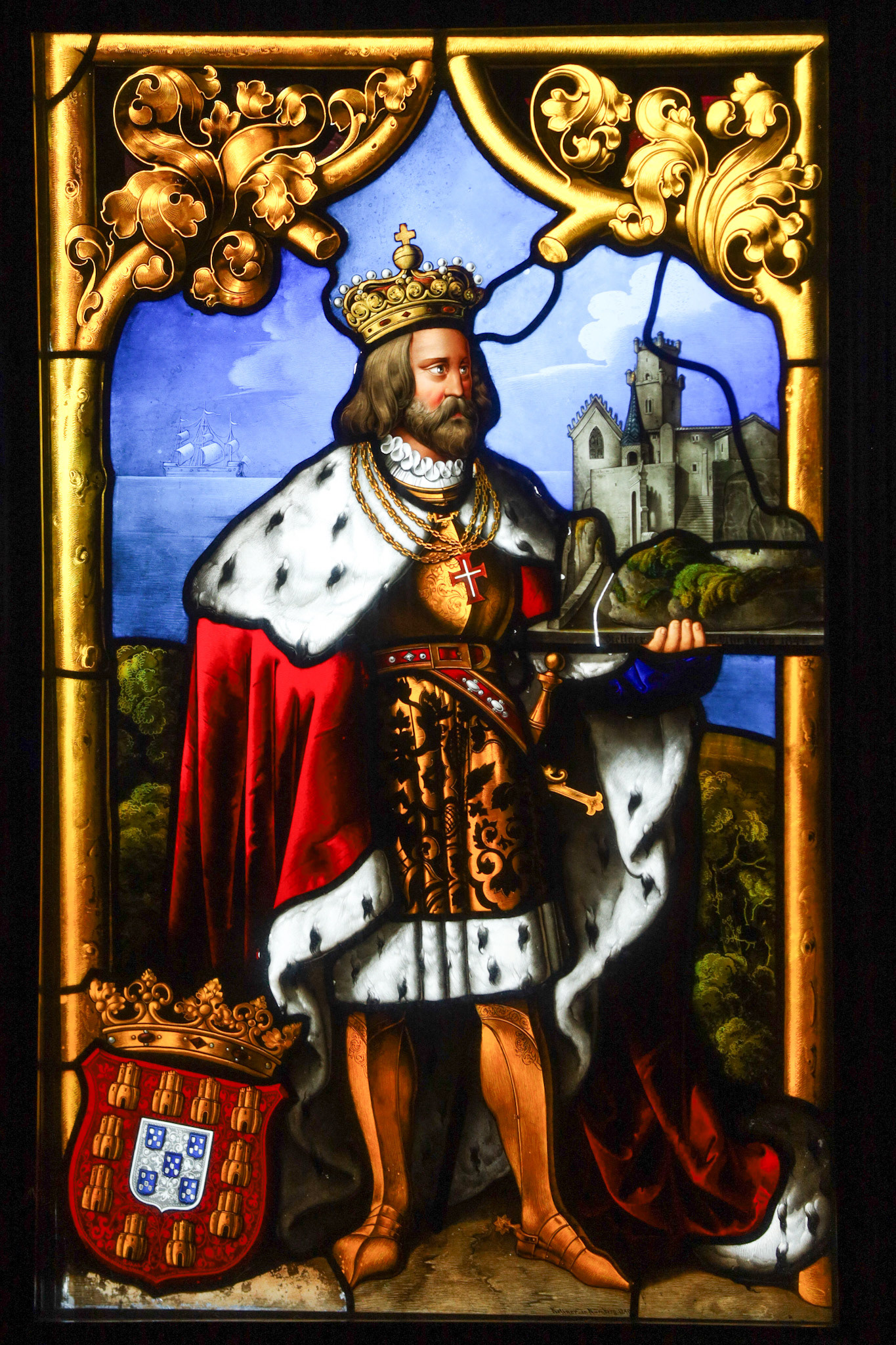
Pena Castle in Sintra (UNESCO ) 2025
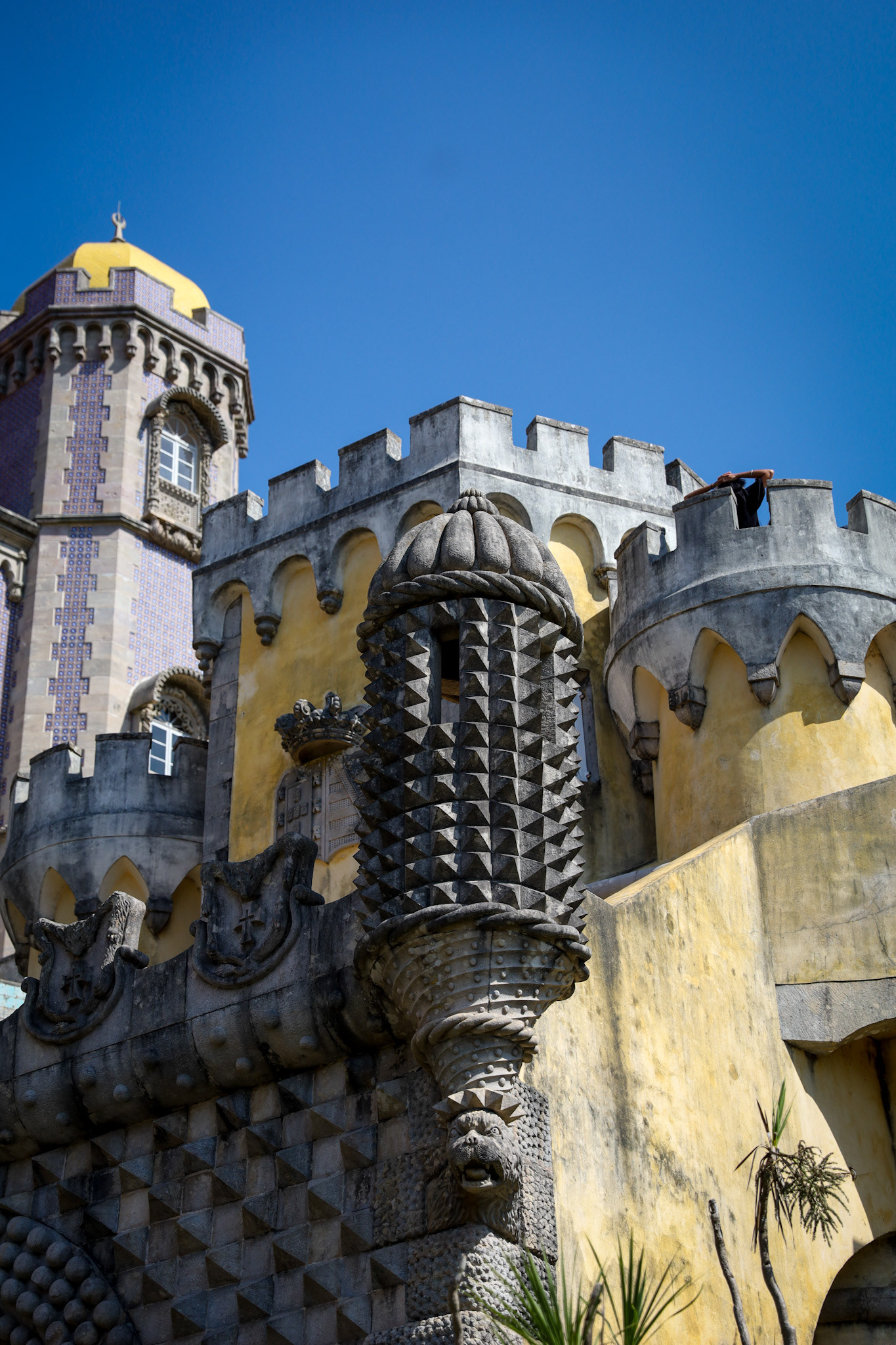
Sintra feels like a hilltop daydream someone made permanent.
Pena’s colors shift with the weather; crowds turn into punctuation marks on terraces. I looked for edges—wall against cloud, tile against sky.
The place is playful, but it holds up to close looking.
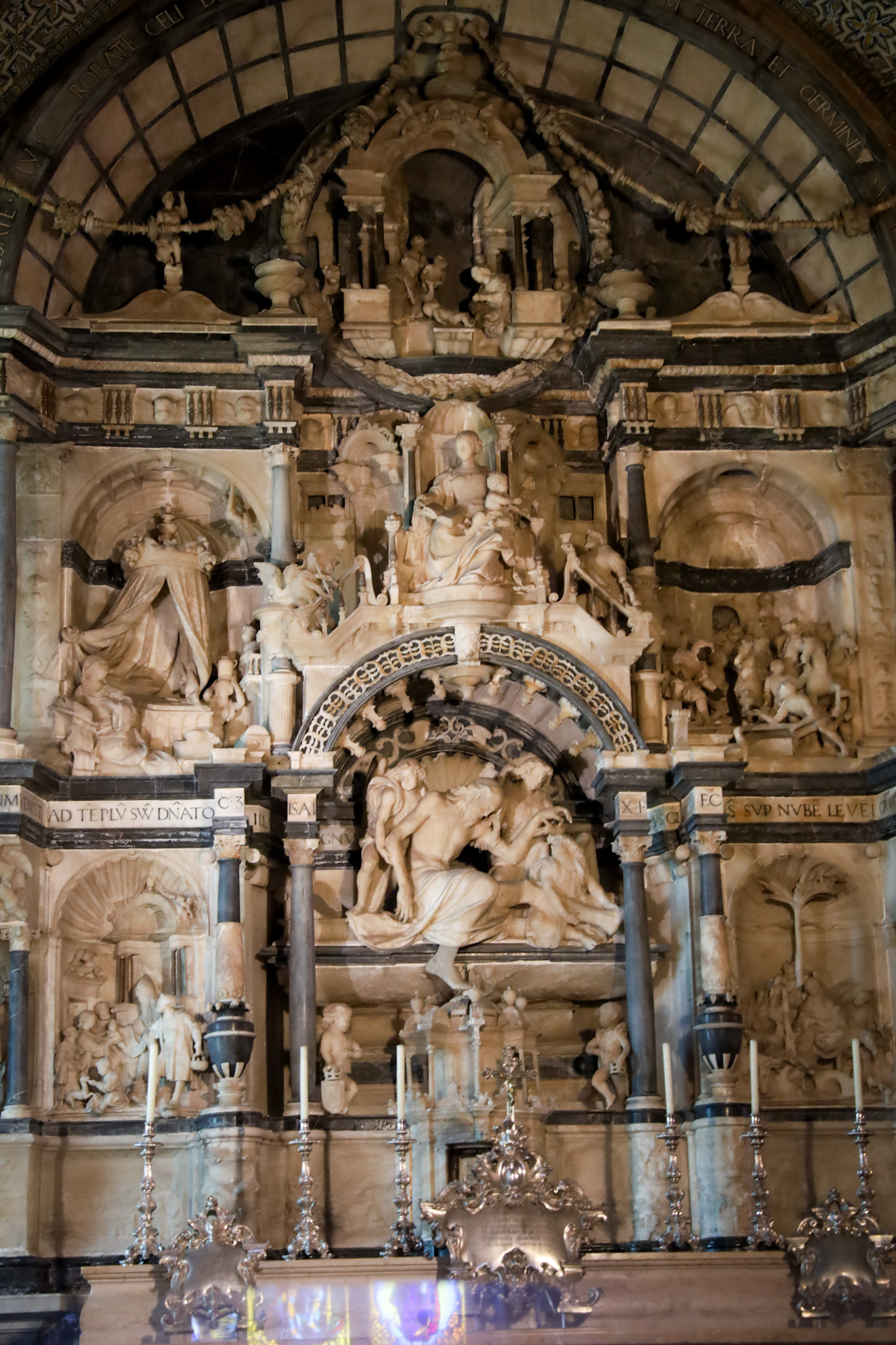
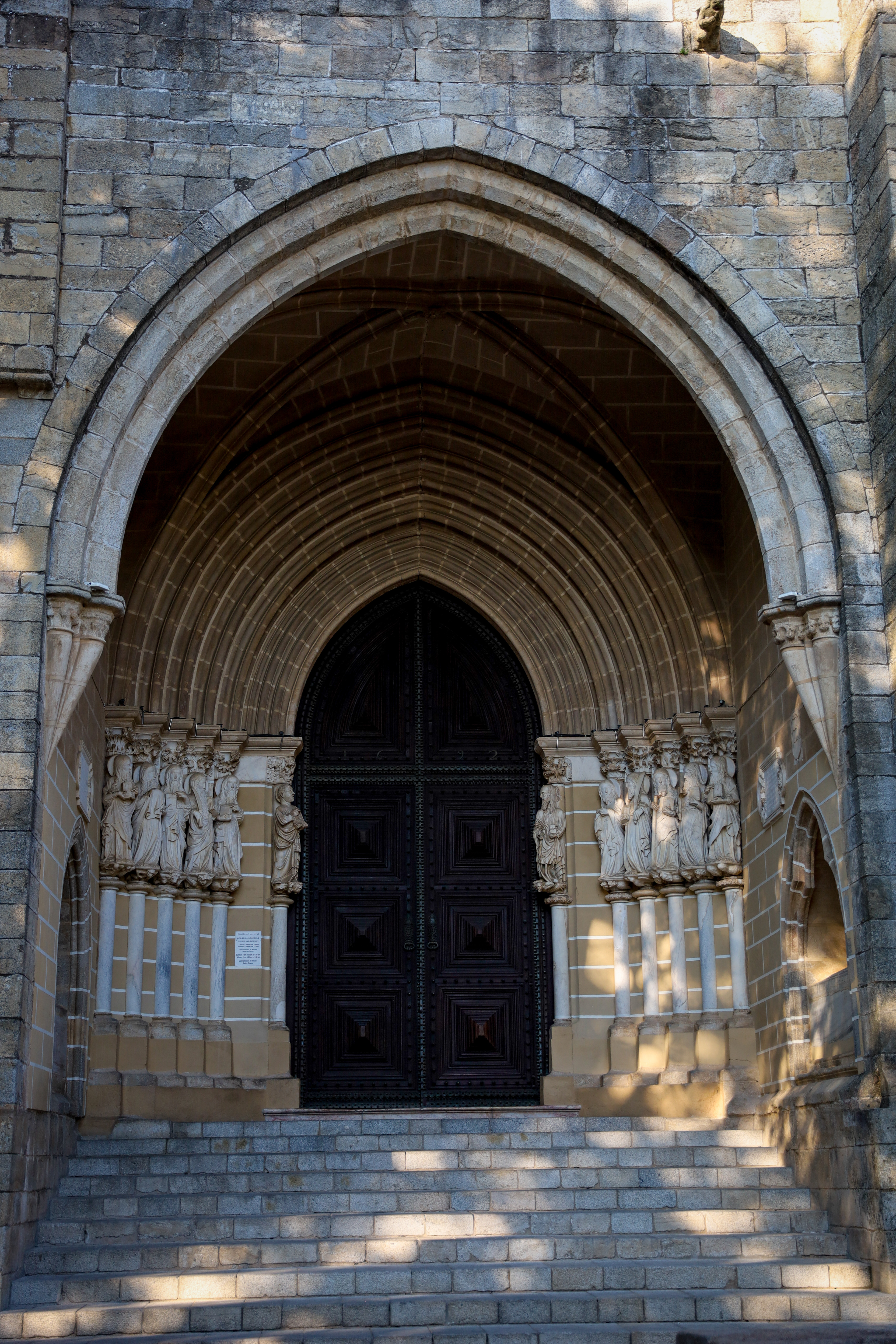
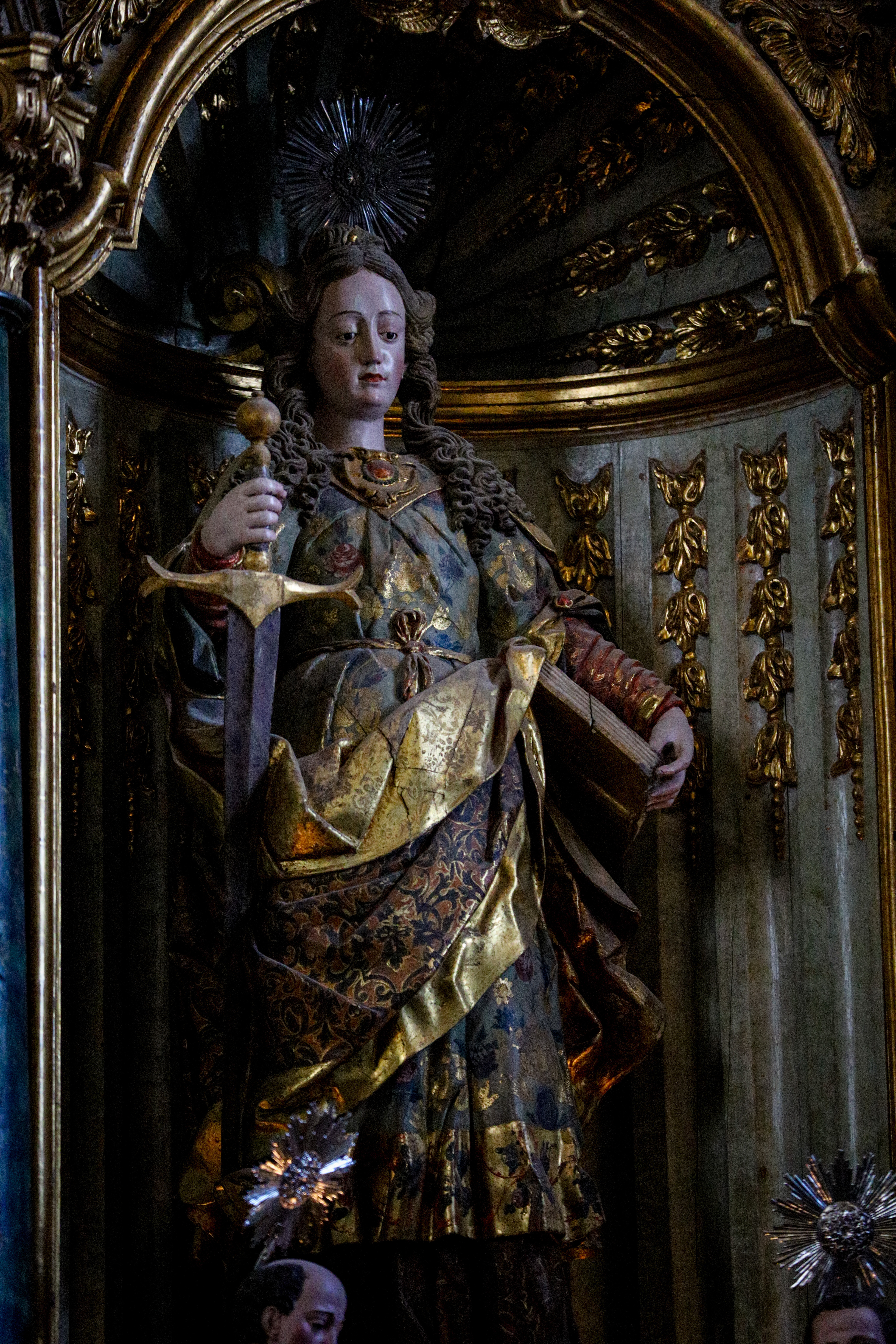
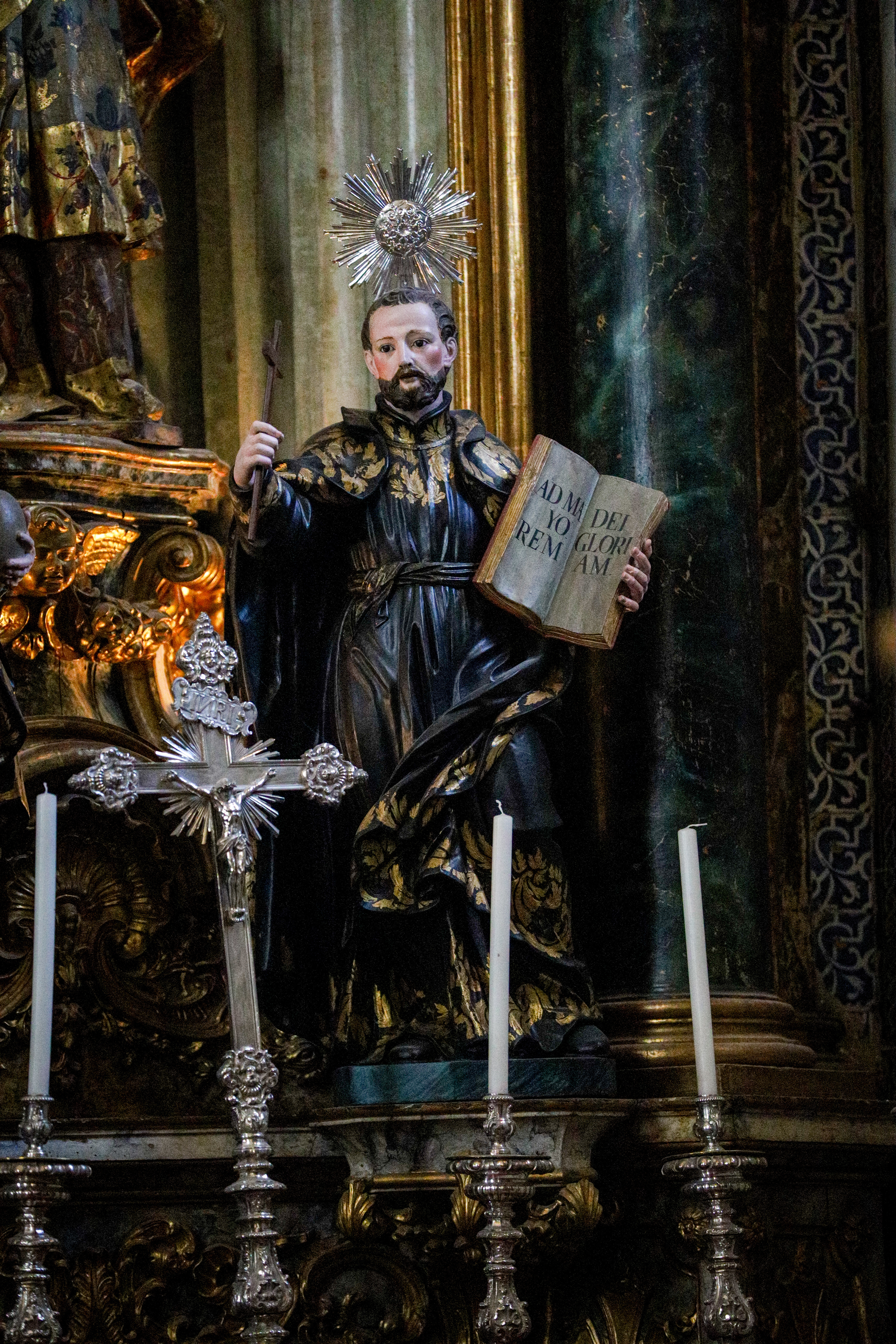
Royal Church of St. Francis in Évora 2025
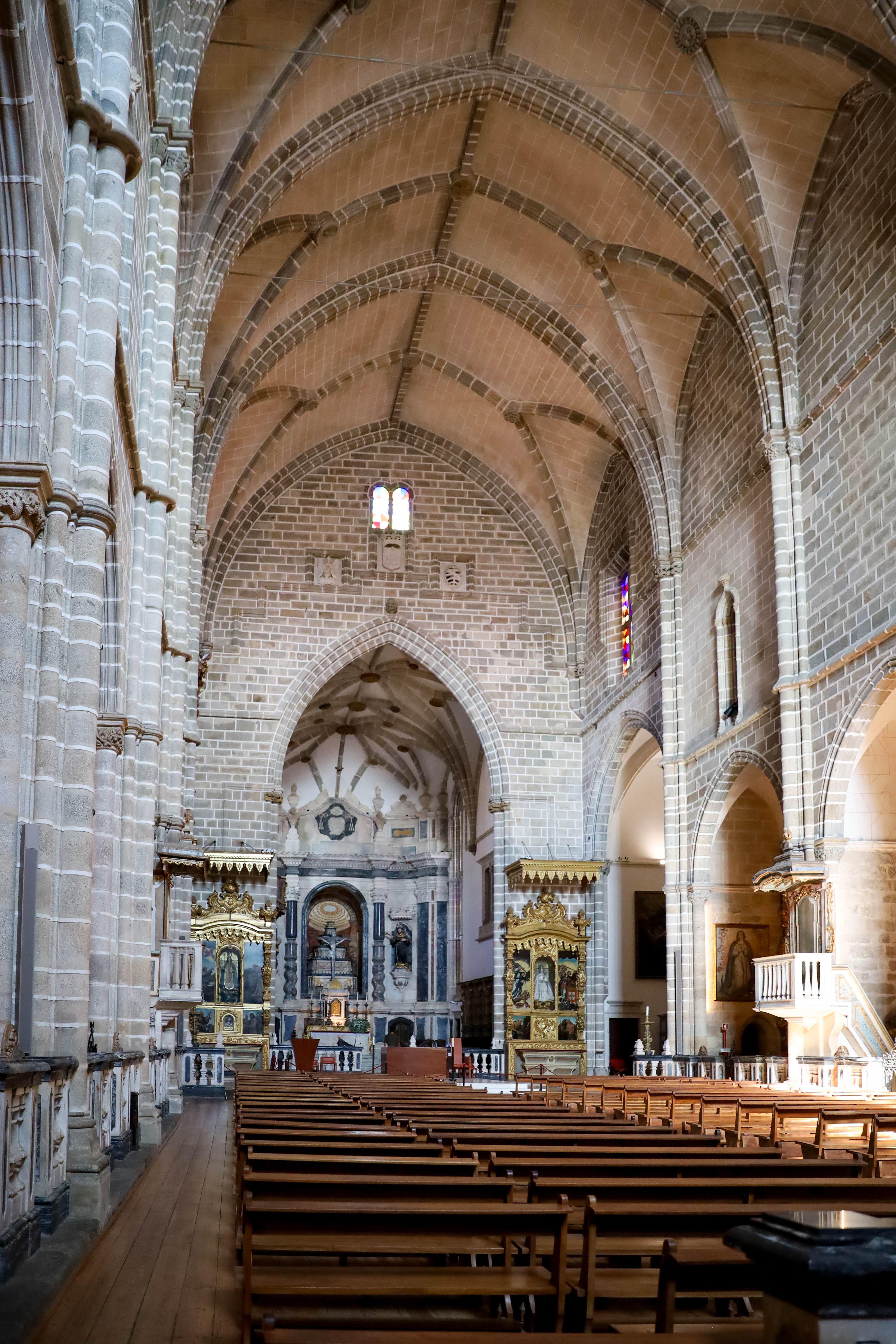
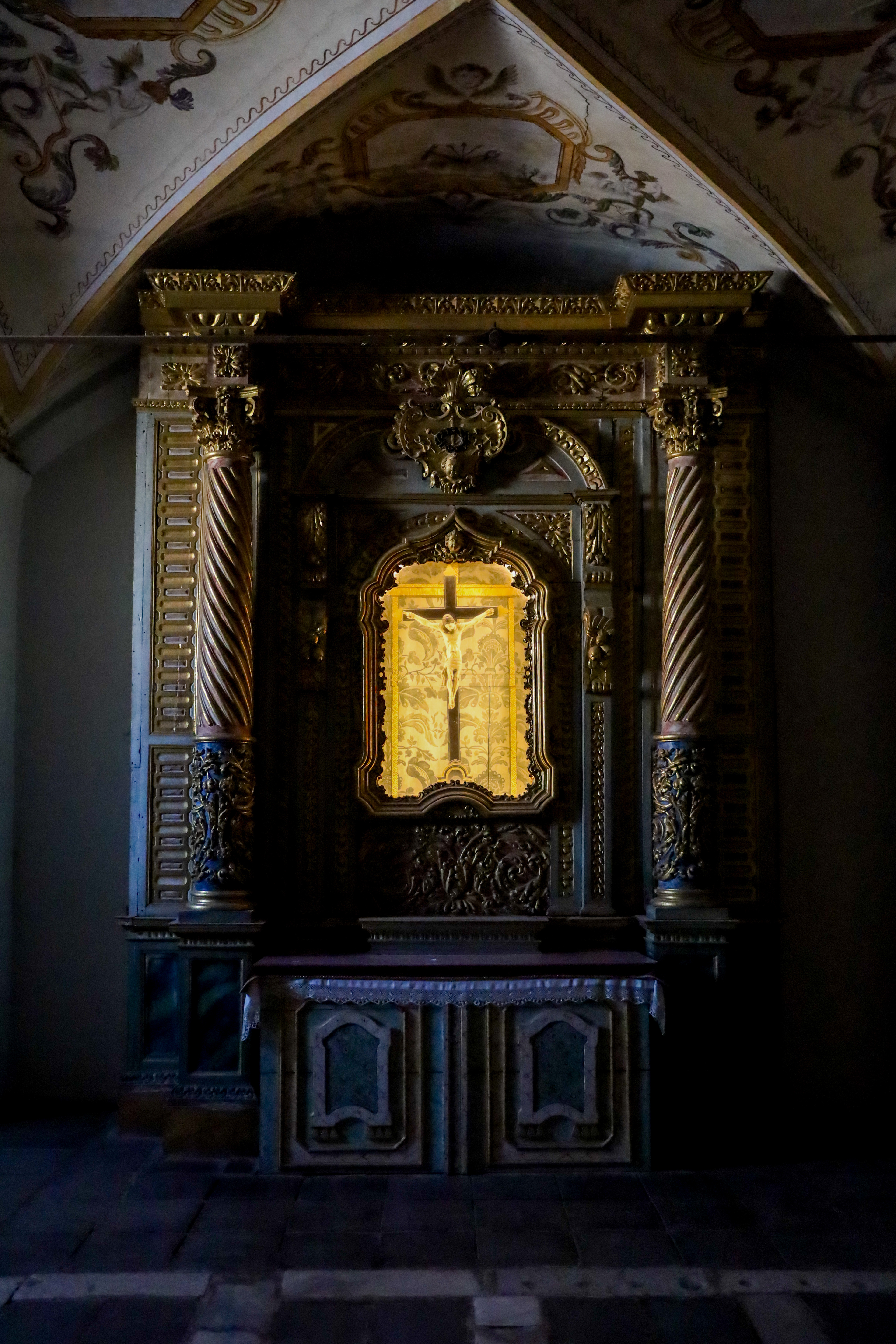
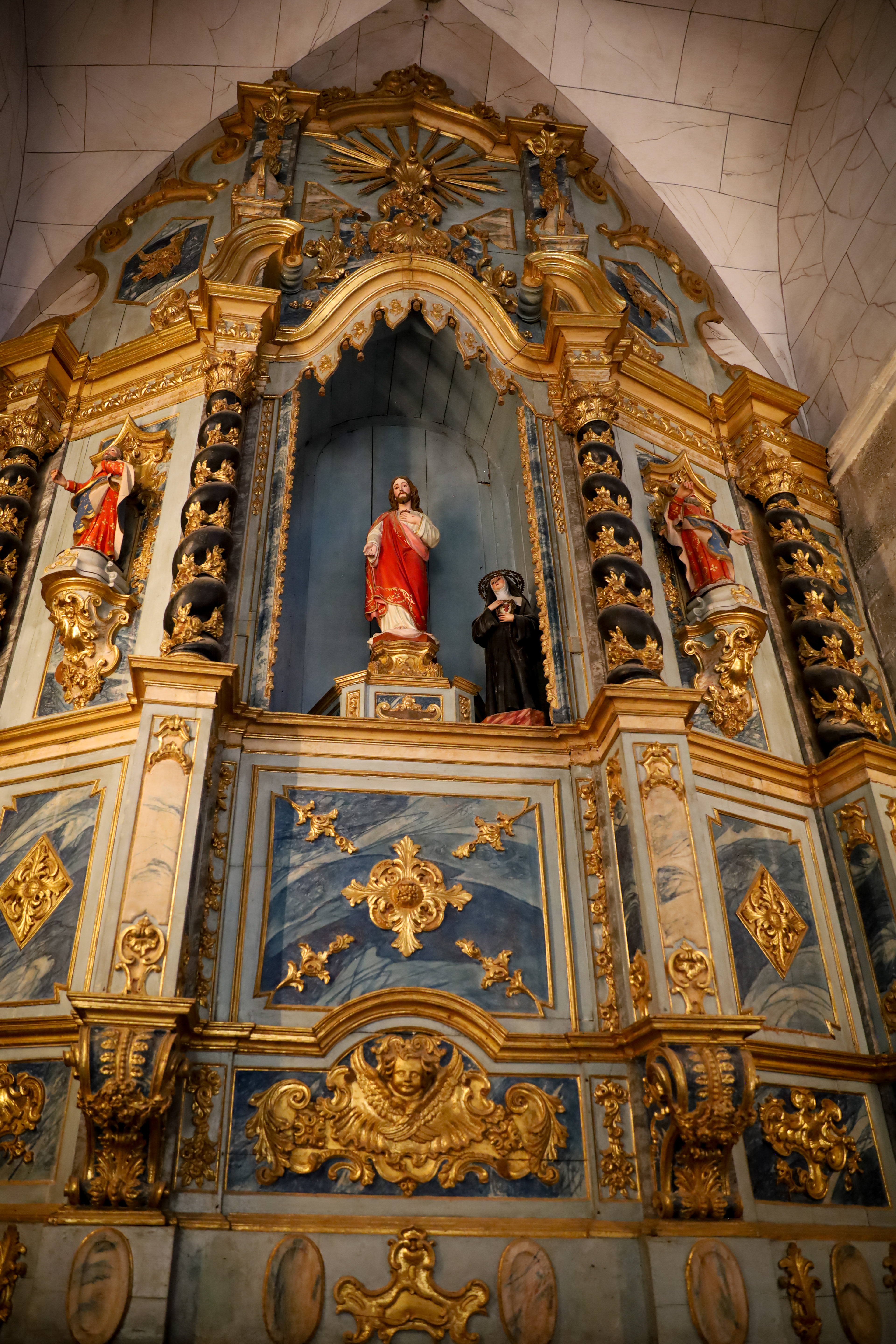
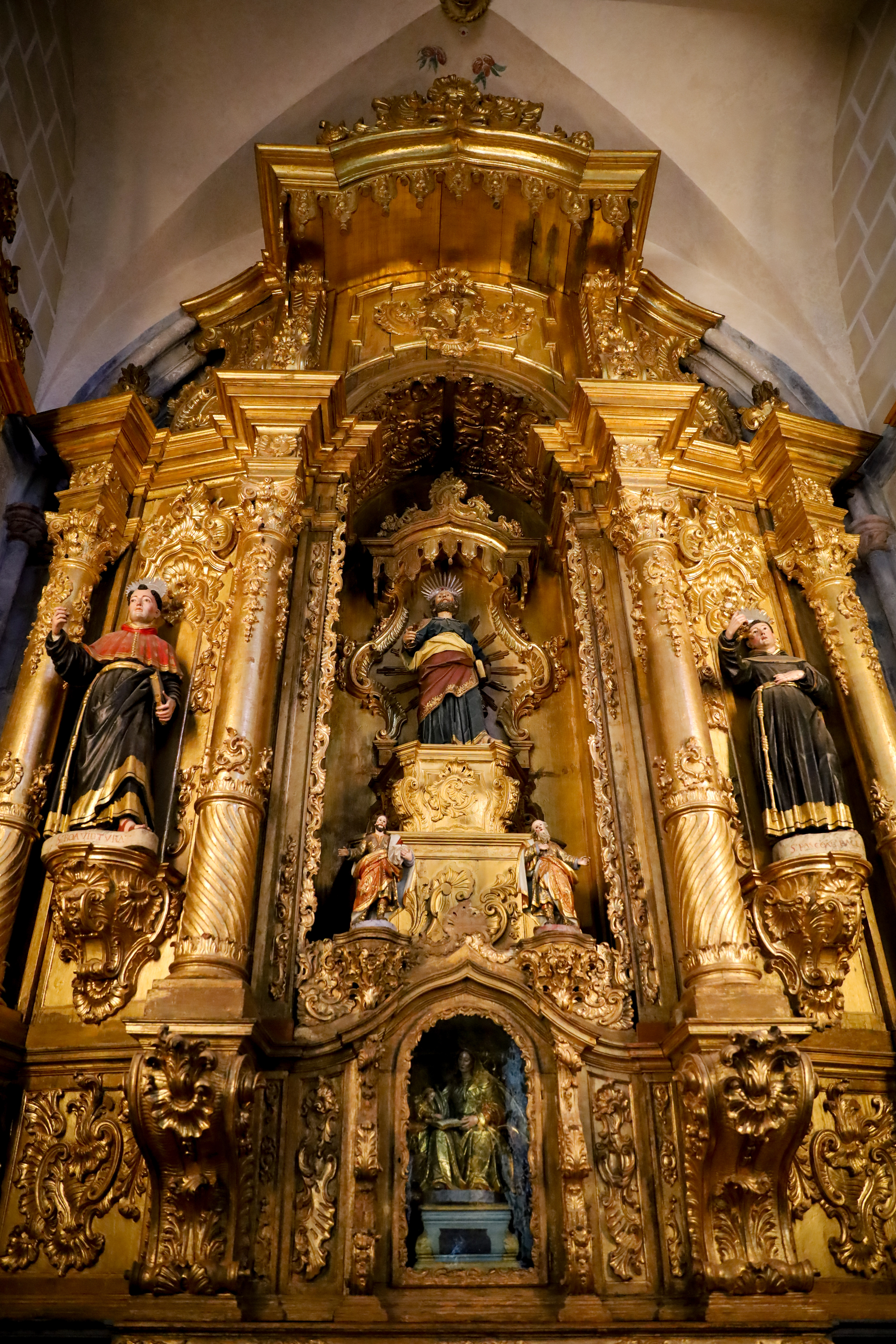
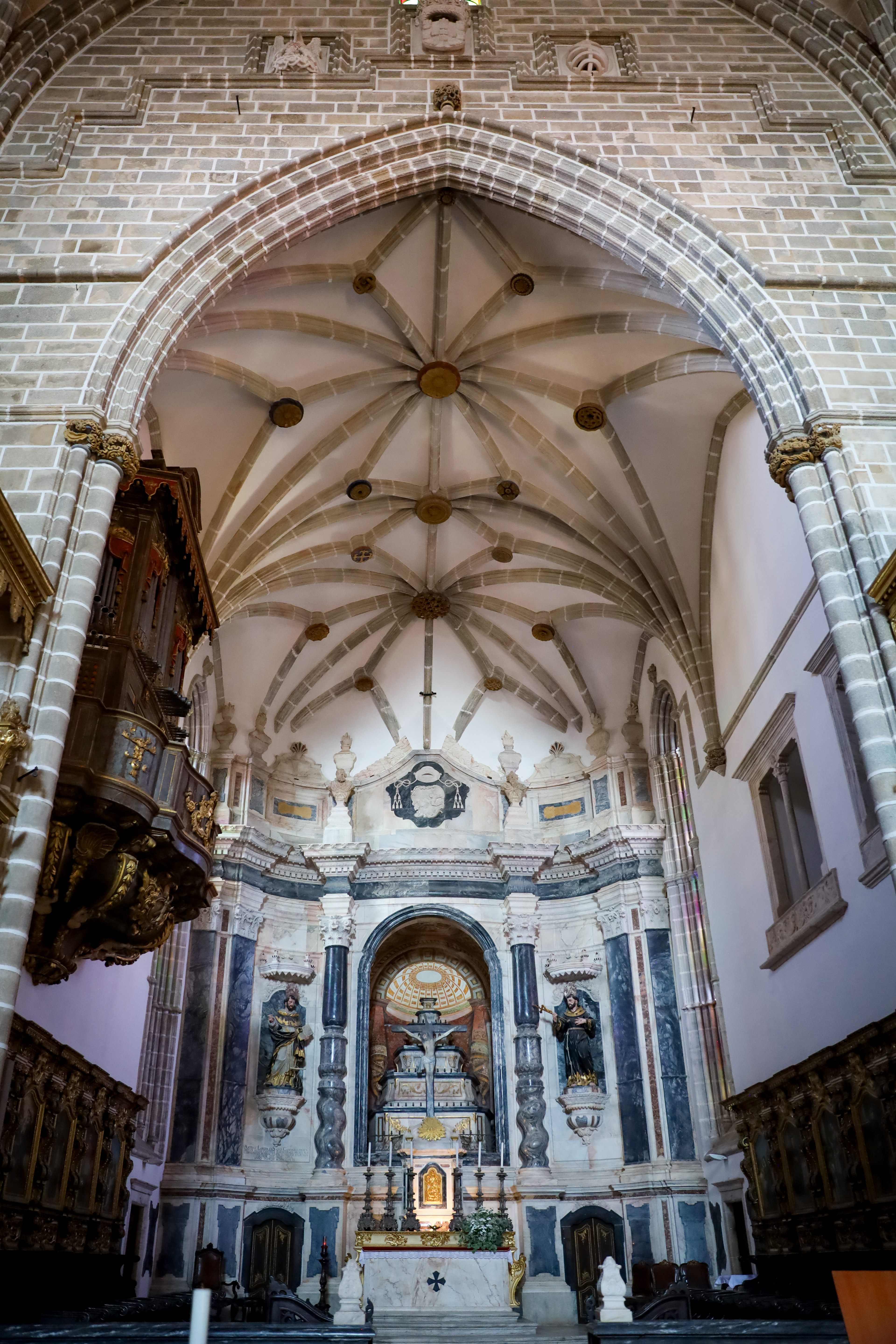
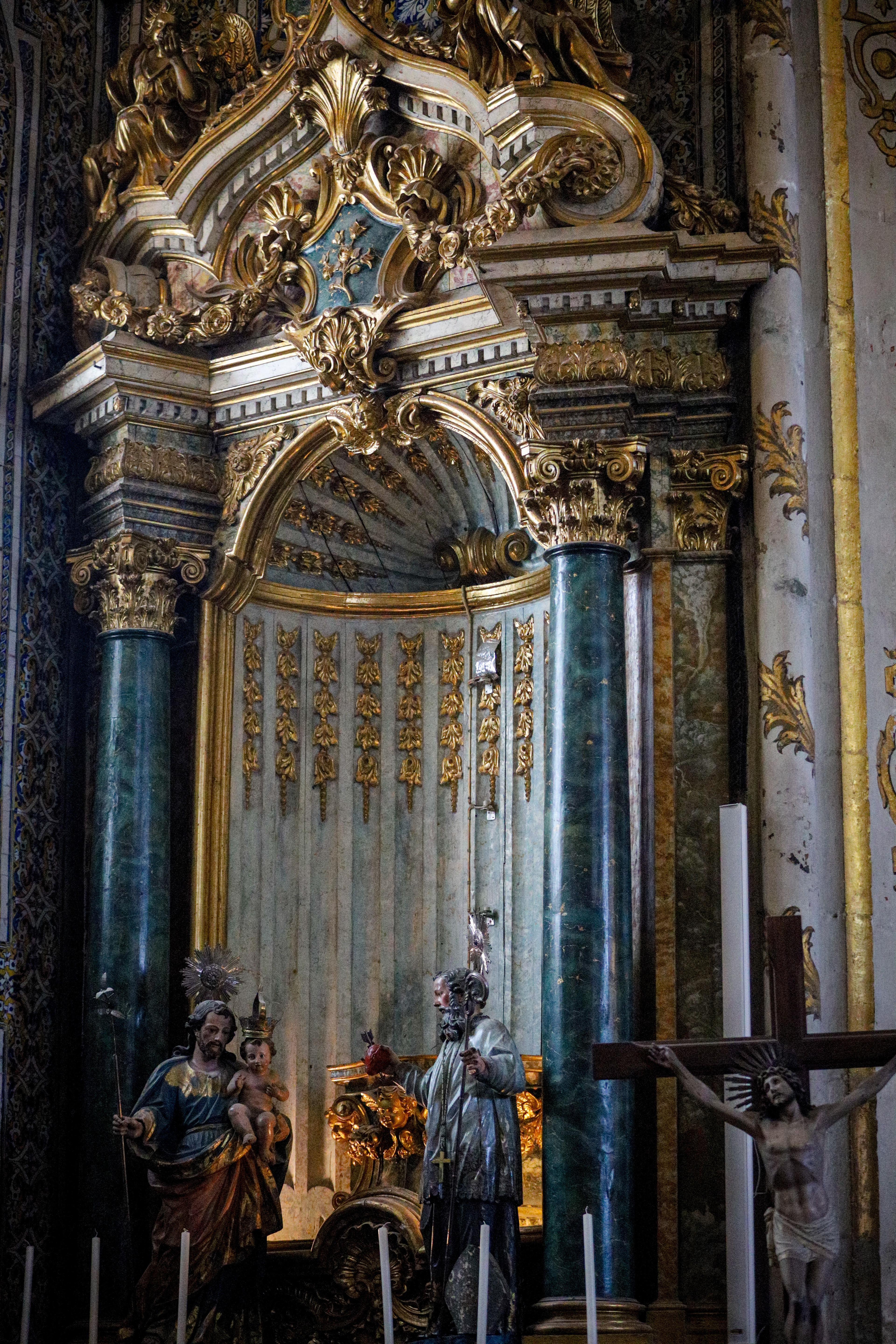
Under stone vaults, the light shows up on its own schedule.
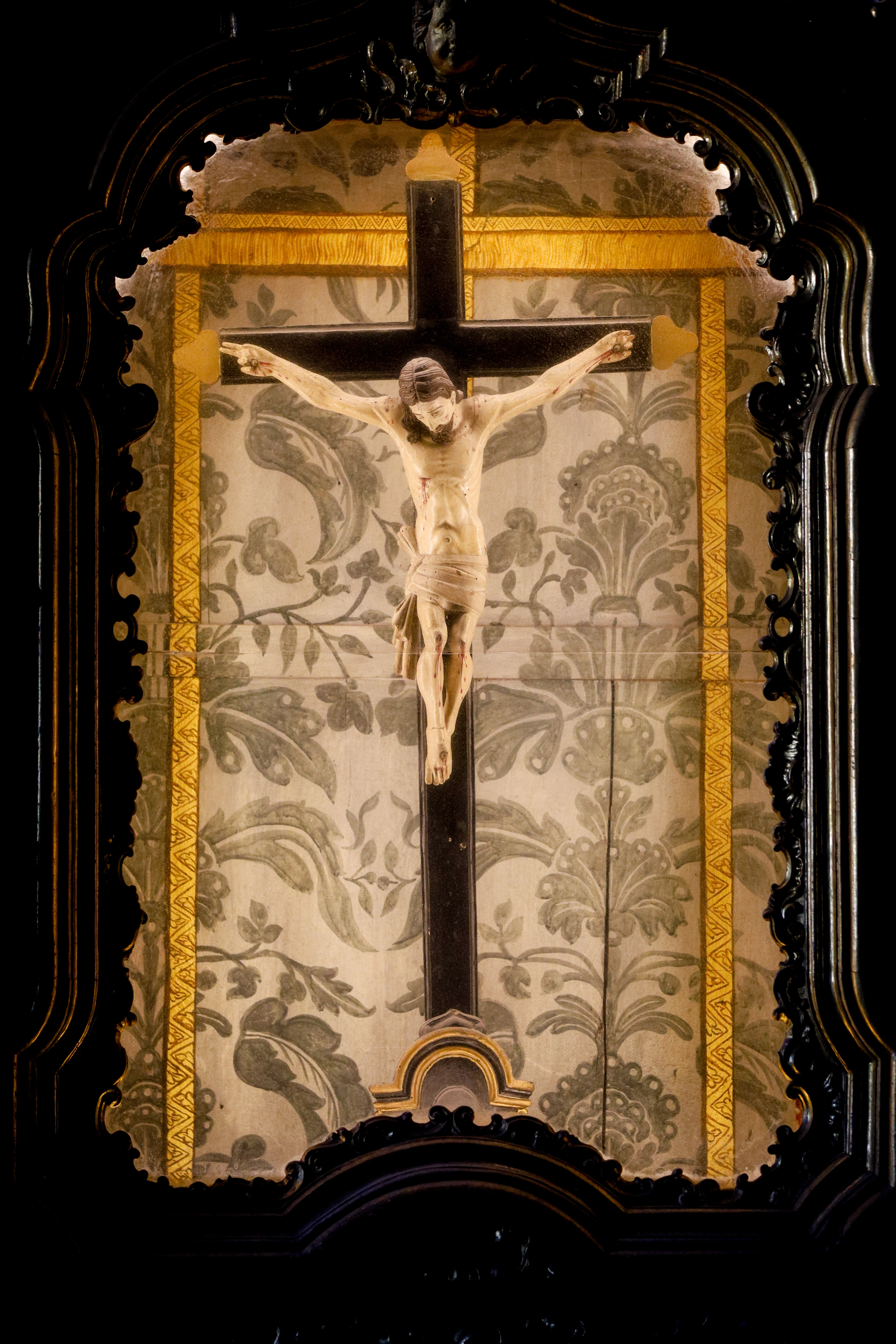
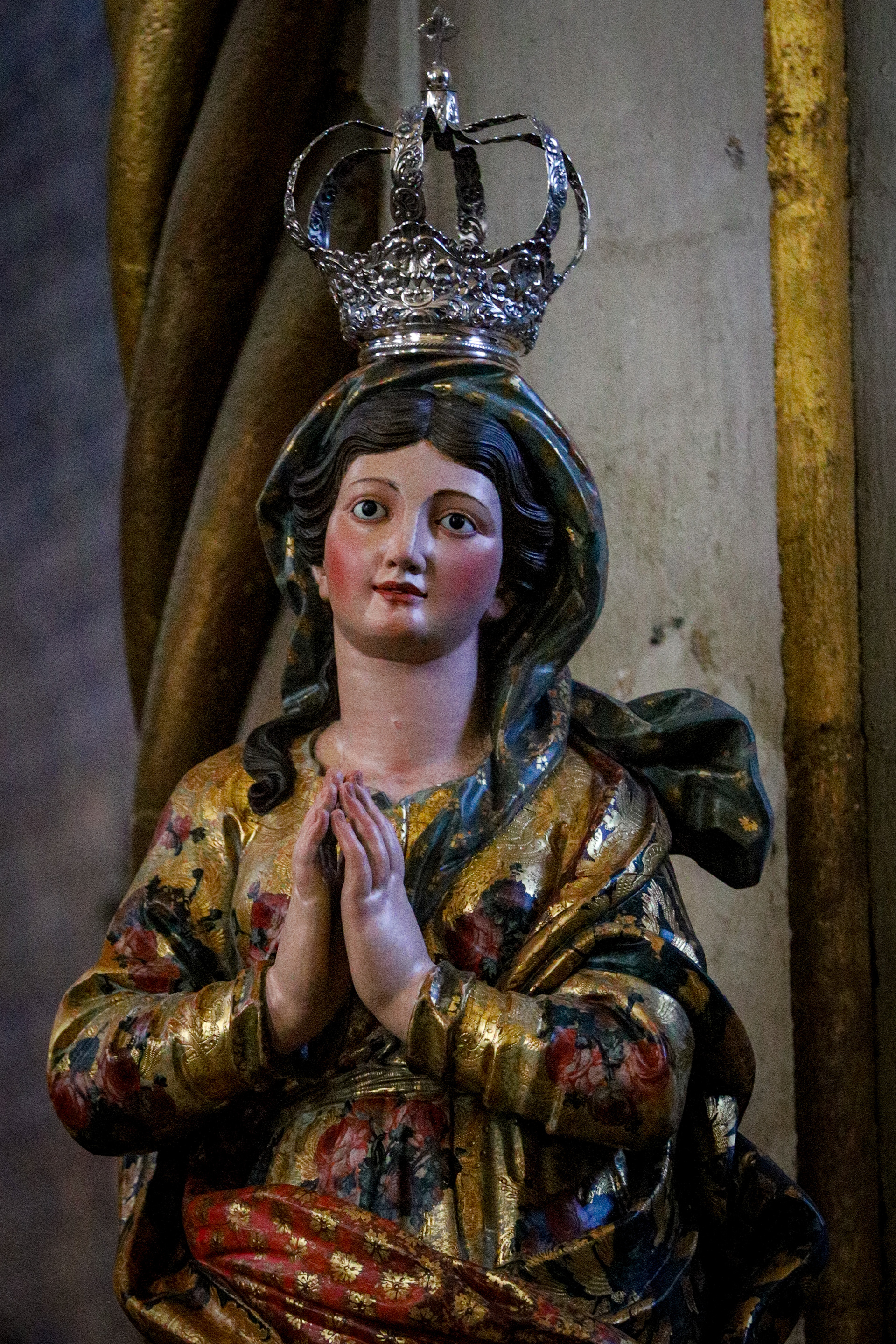
Gilded pieces catch a thin beam, blue tiles hold a scene steady. I slowed down and let the room set the tempo.
Sacred spaces give back when you meet them halfway.
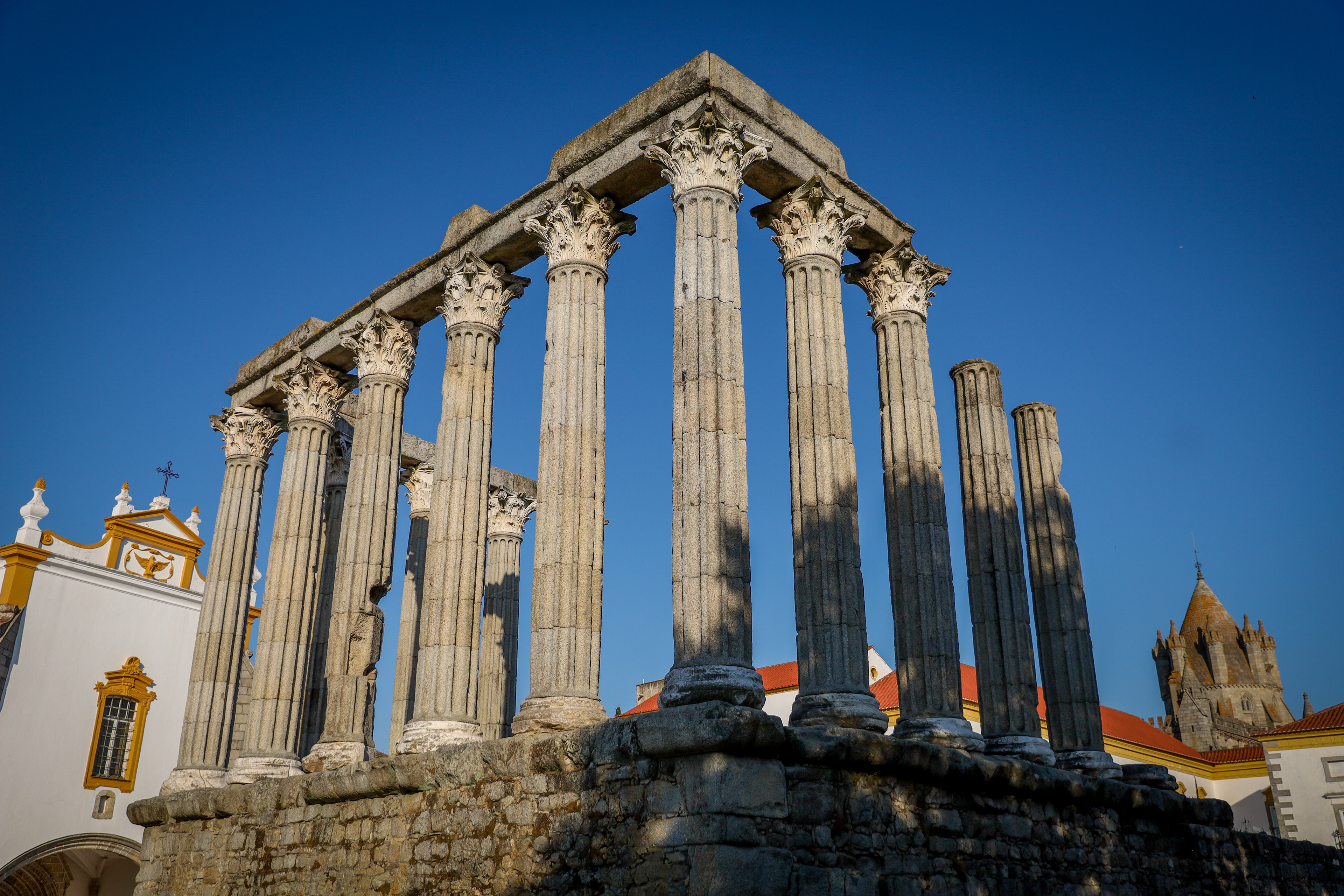
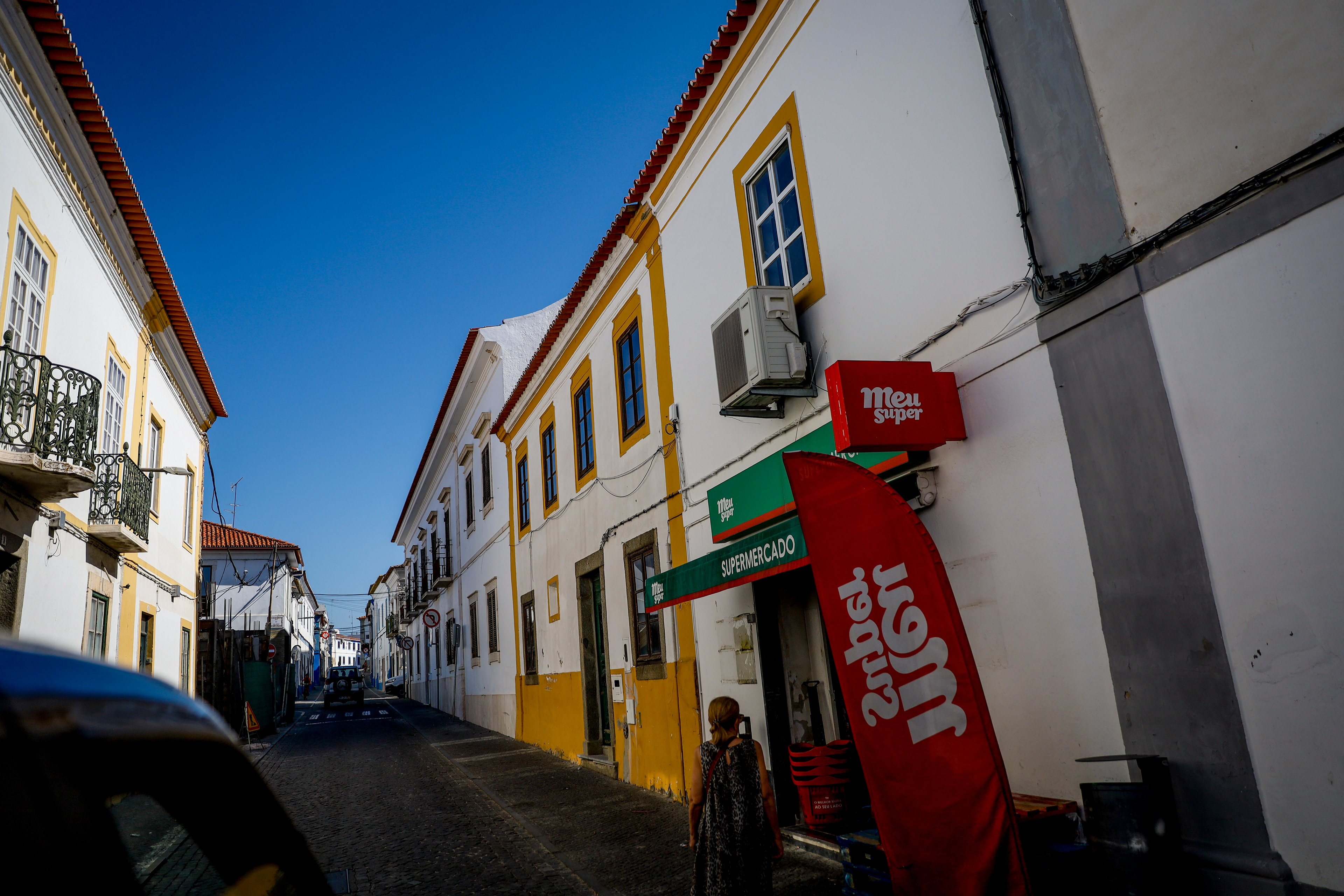
Streets of Évora 2025
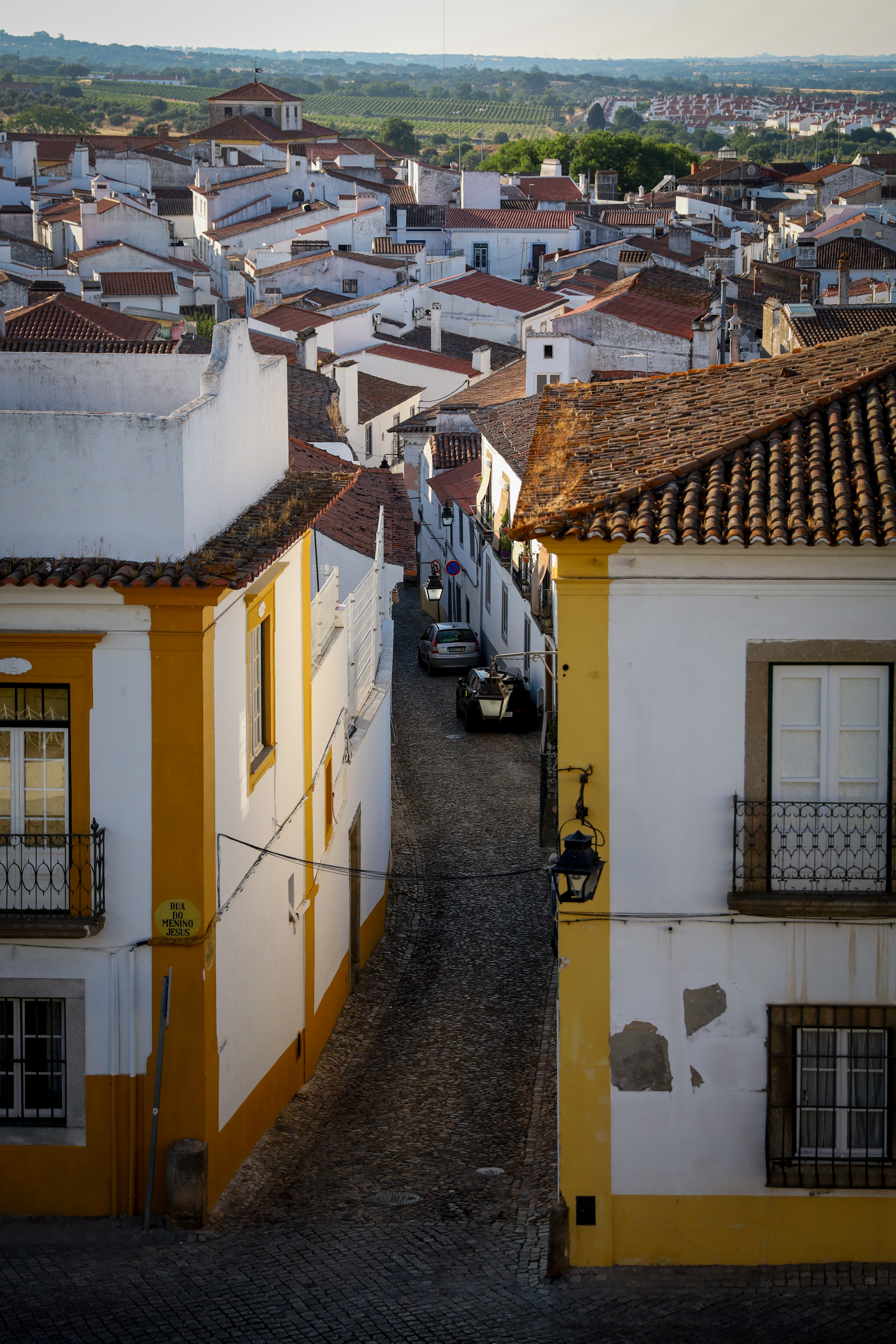
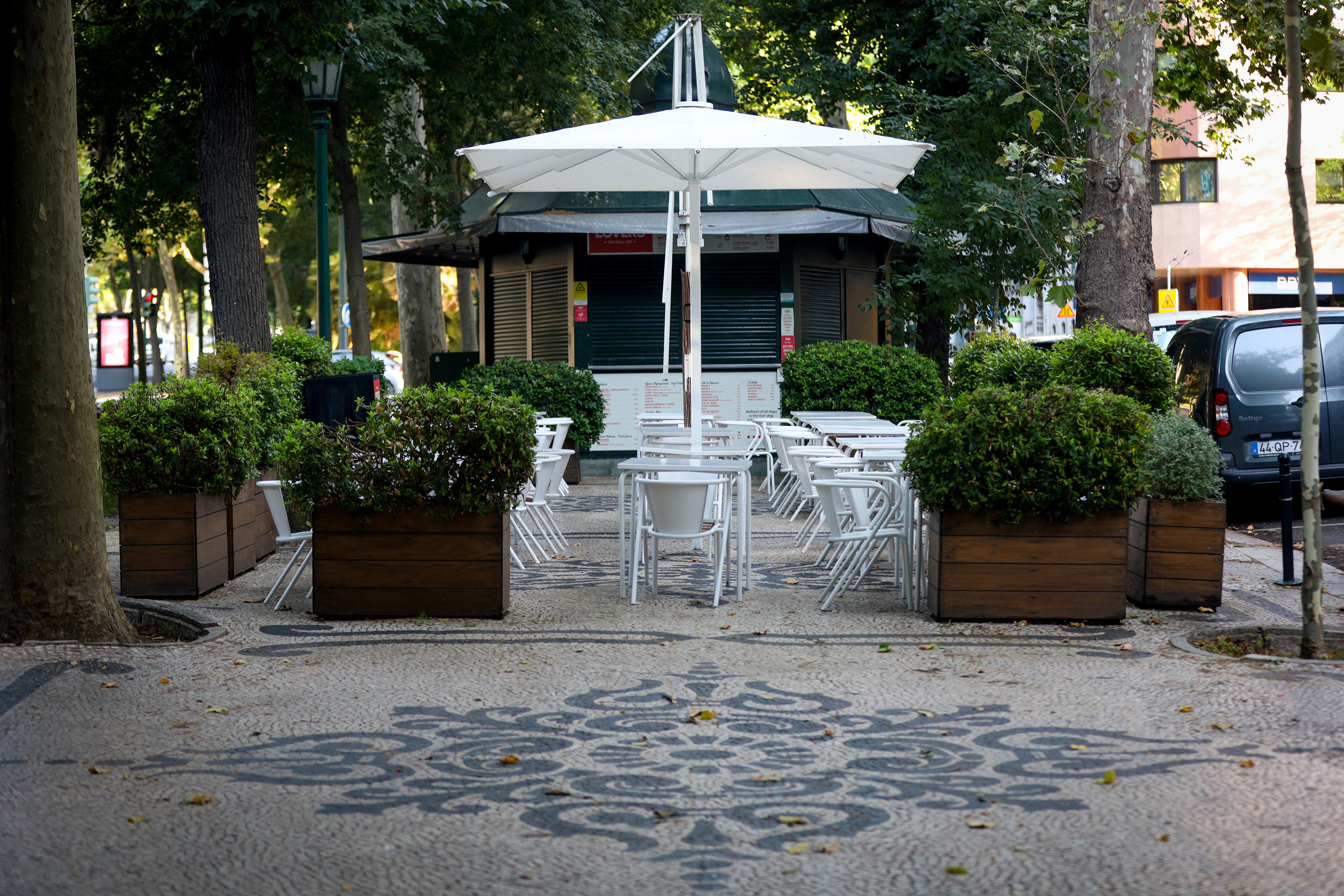
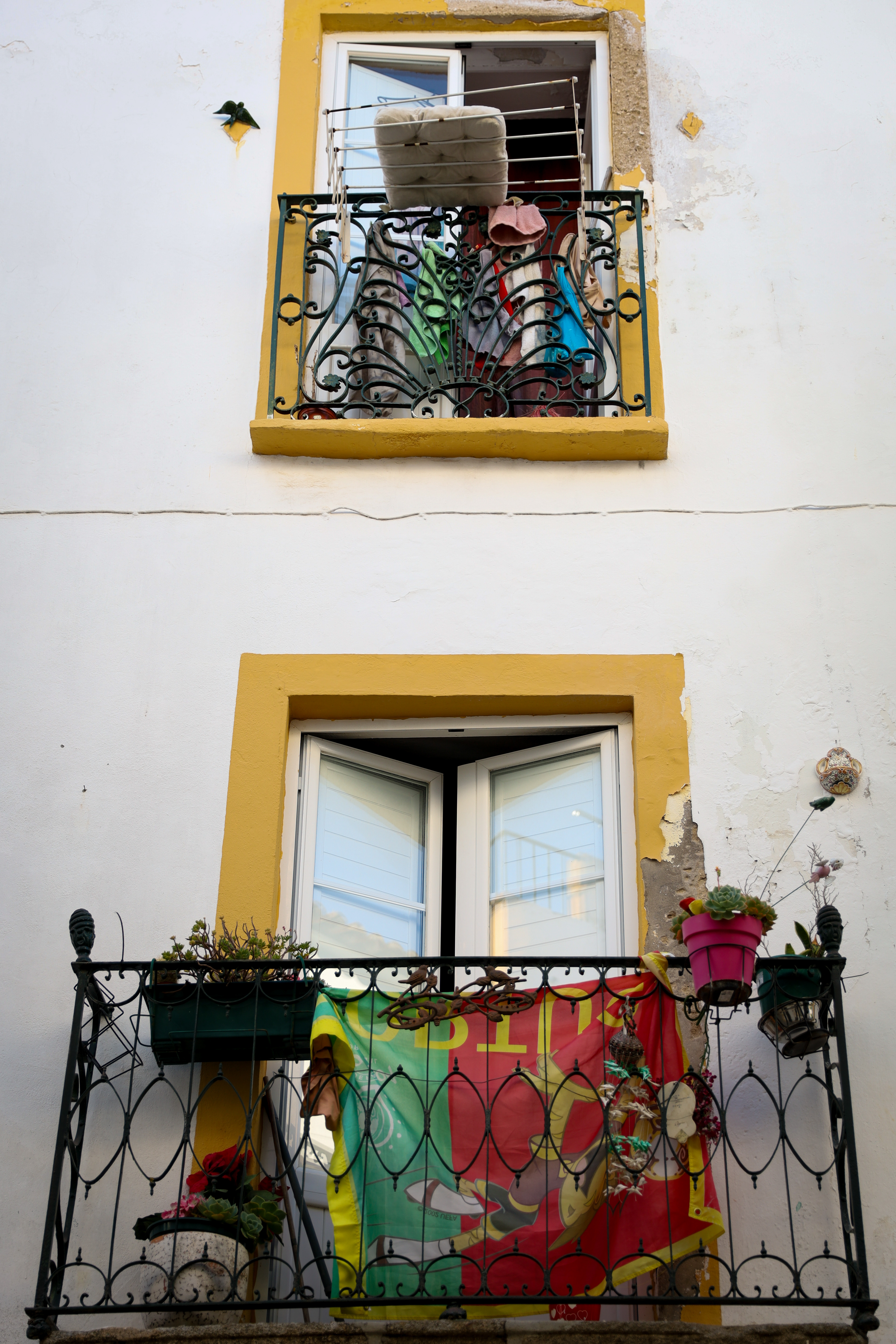
Whitewashed walls with yellow trim, sun finding edges, people moving at a steady, human pace.
Évora wears its days openly.
My favorite frames were intersections—shadow on plaster, a bicycle rounding a curve, a doorway turning into a portrait frame for whoever happened by.
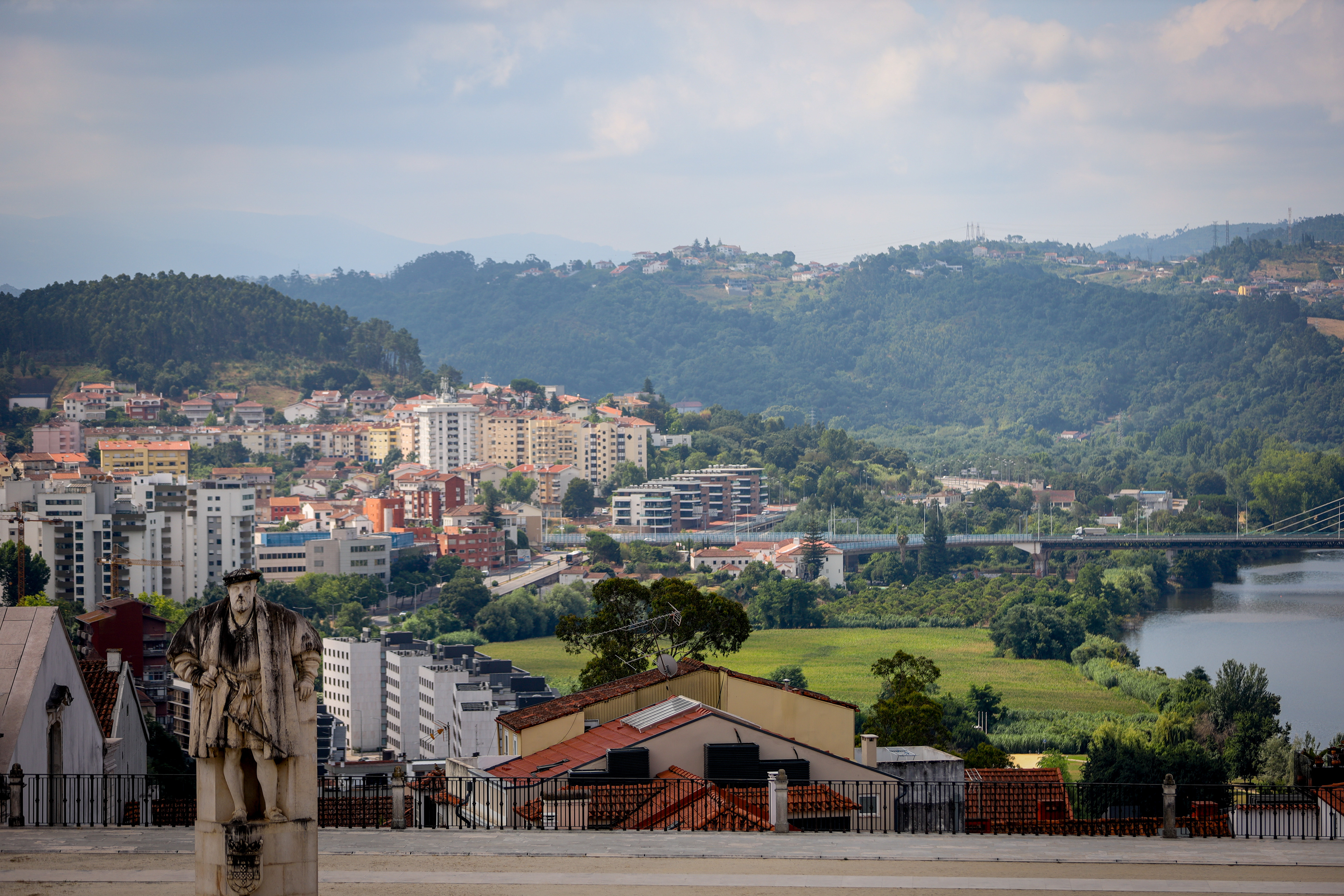
University of Coimbra (UNESCO) 2025
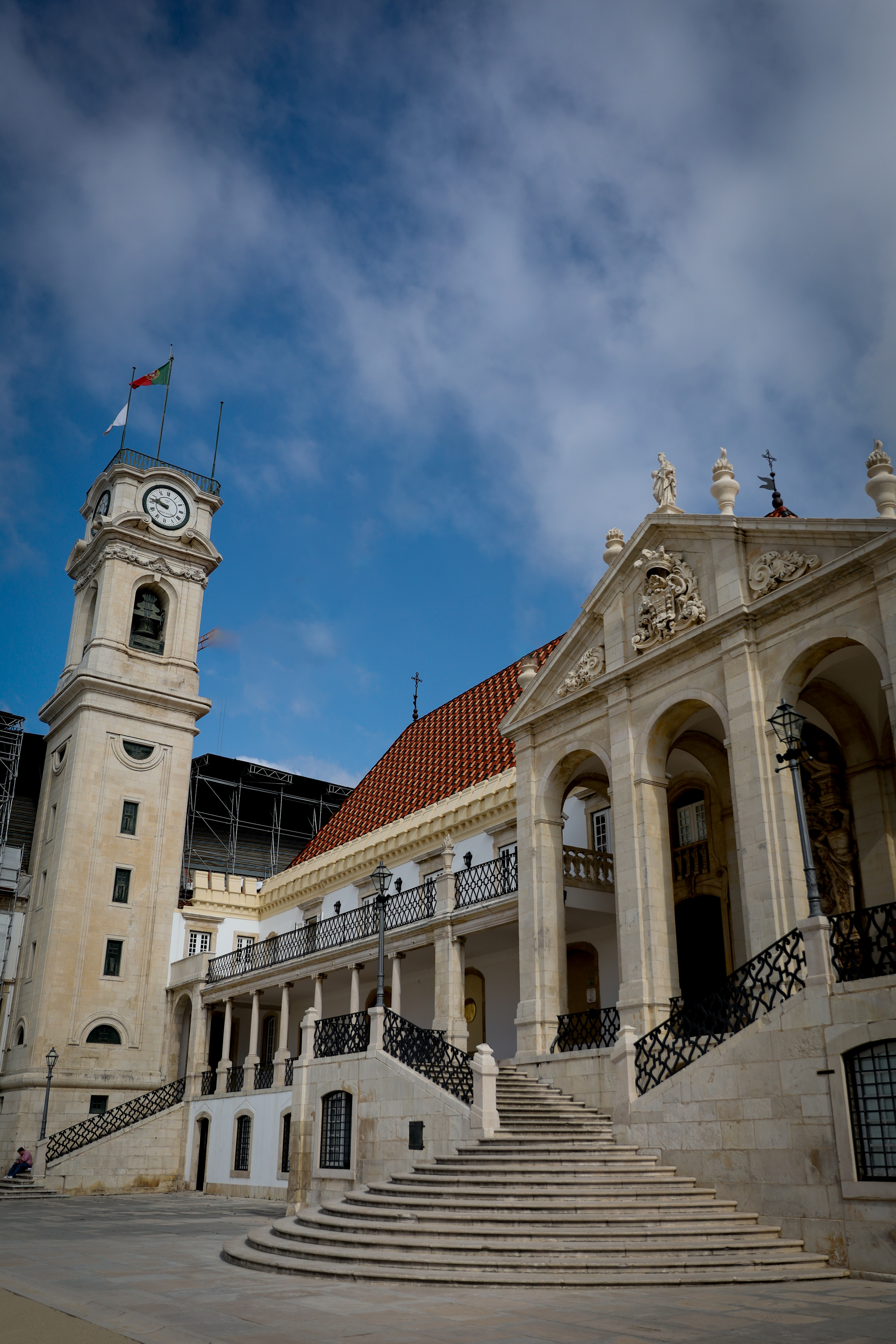
A university with weight. Courtyards carry footsteps, wood and light make even simple rooms feel ceremonial.
I framed the structure—columns, stair lines, students crossing like metronomes.
Places like this teach even when no one is lecturing. You learn by walking through.
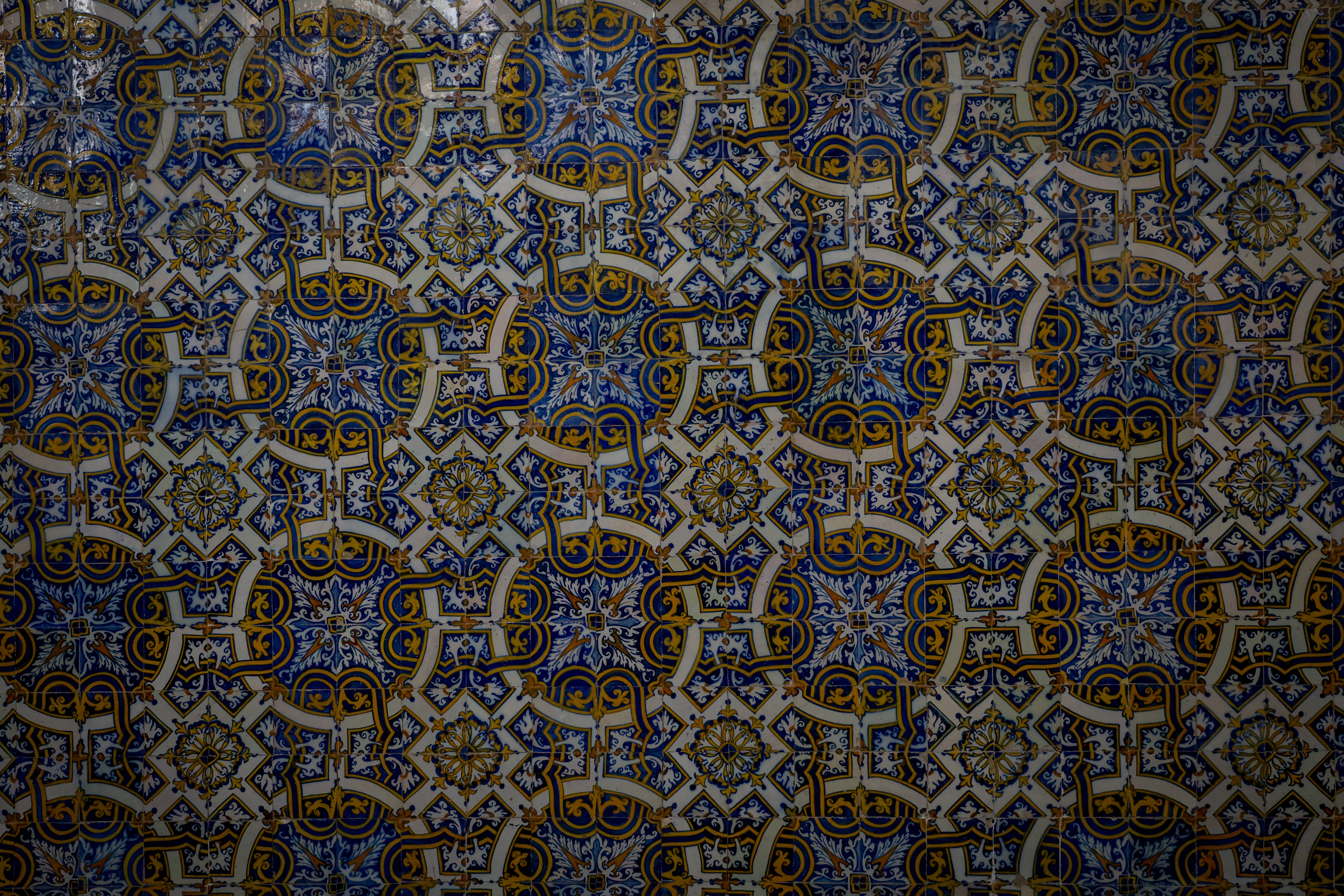
St. Michaels Chapel at University of Coimbra 2025
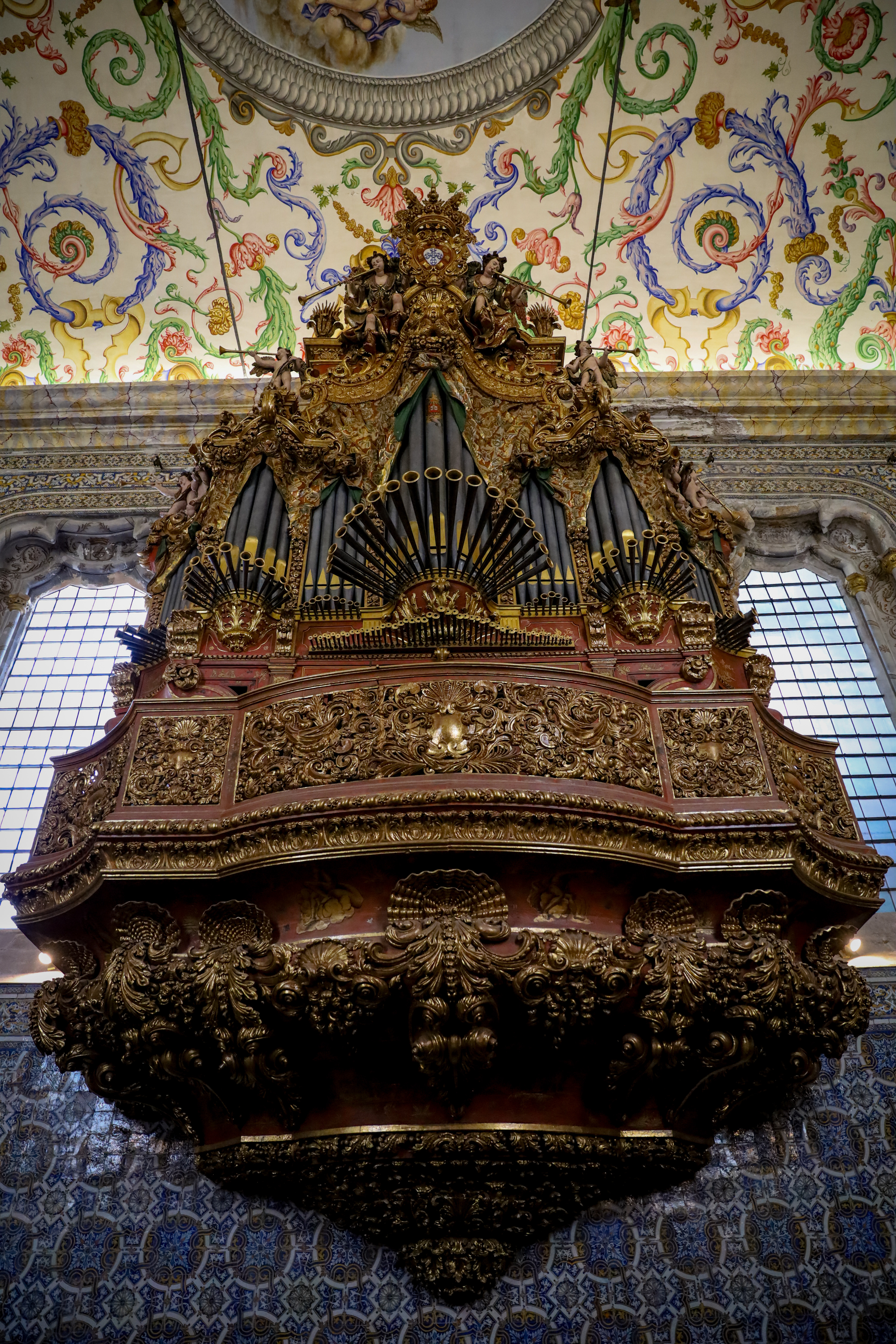
St. Michael’s is a small room with big detail.
Painted ceiling, gleaming pipes, azulejos telling stories along the walls.
I worked close, then wide: a hand on a pew, then the whole space breathing when the door opened. Quiet isn’t the absence of sound; it’s sound behaving.
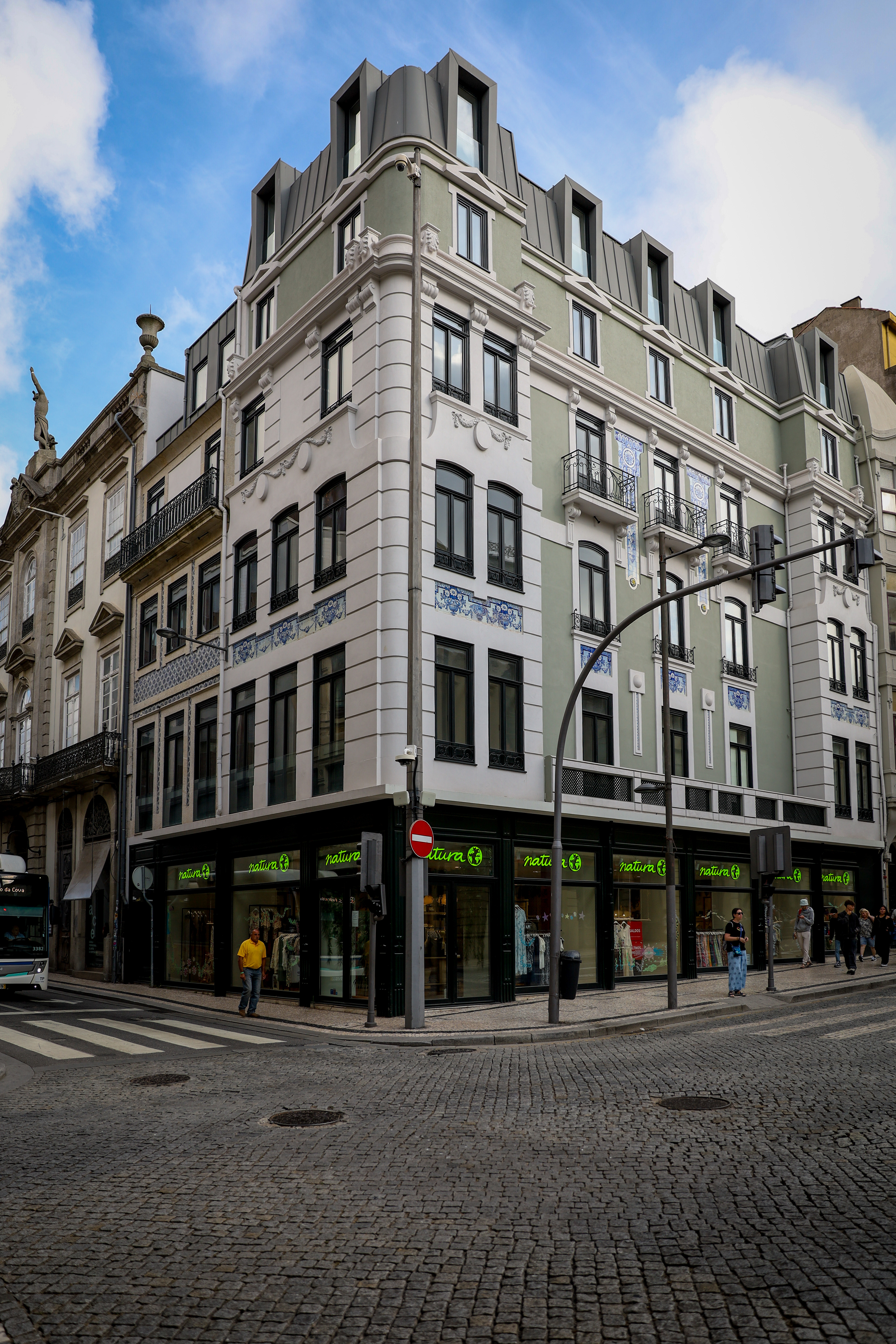
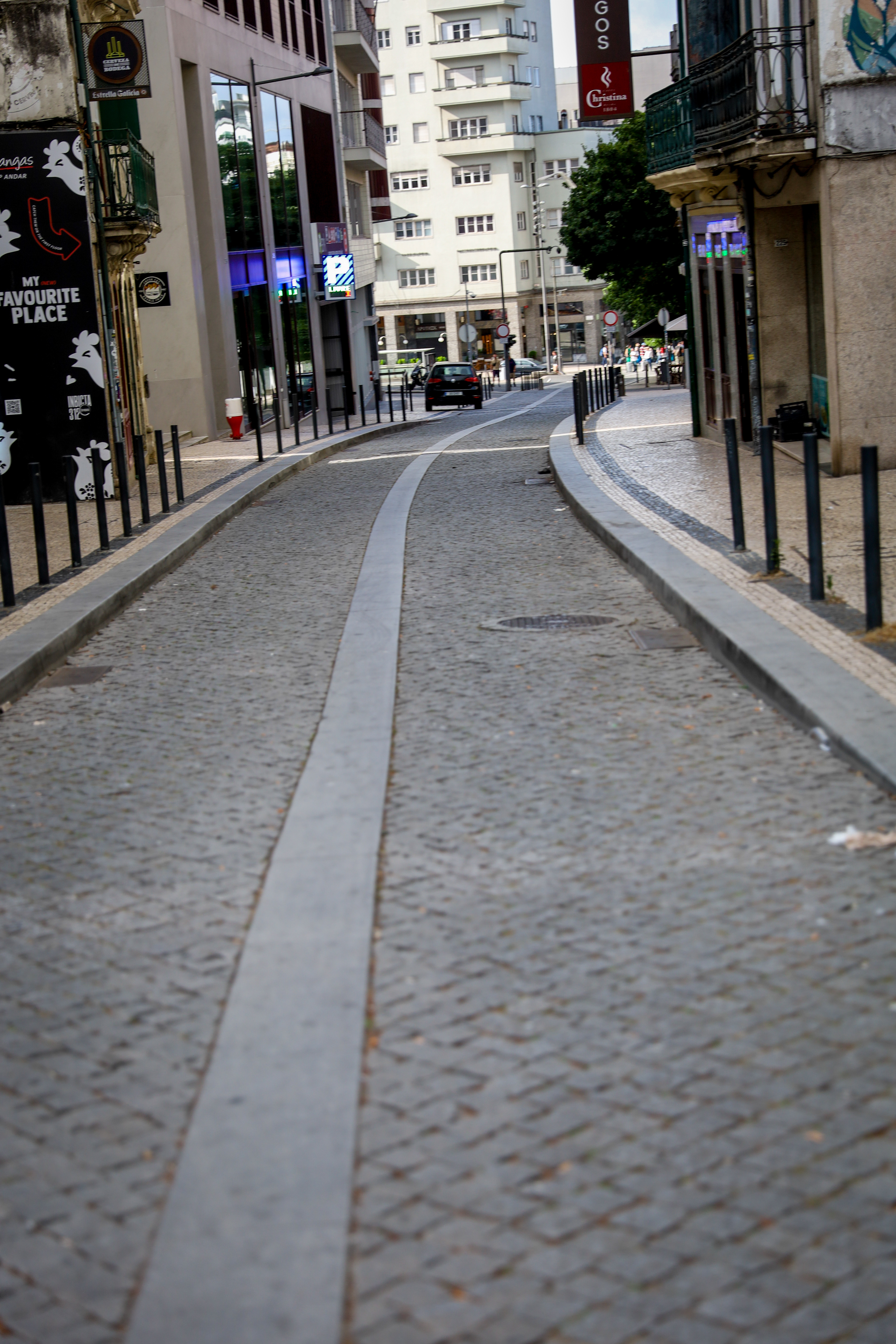
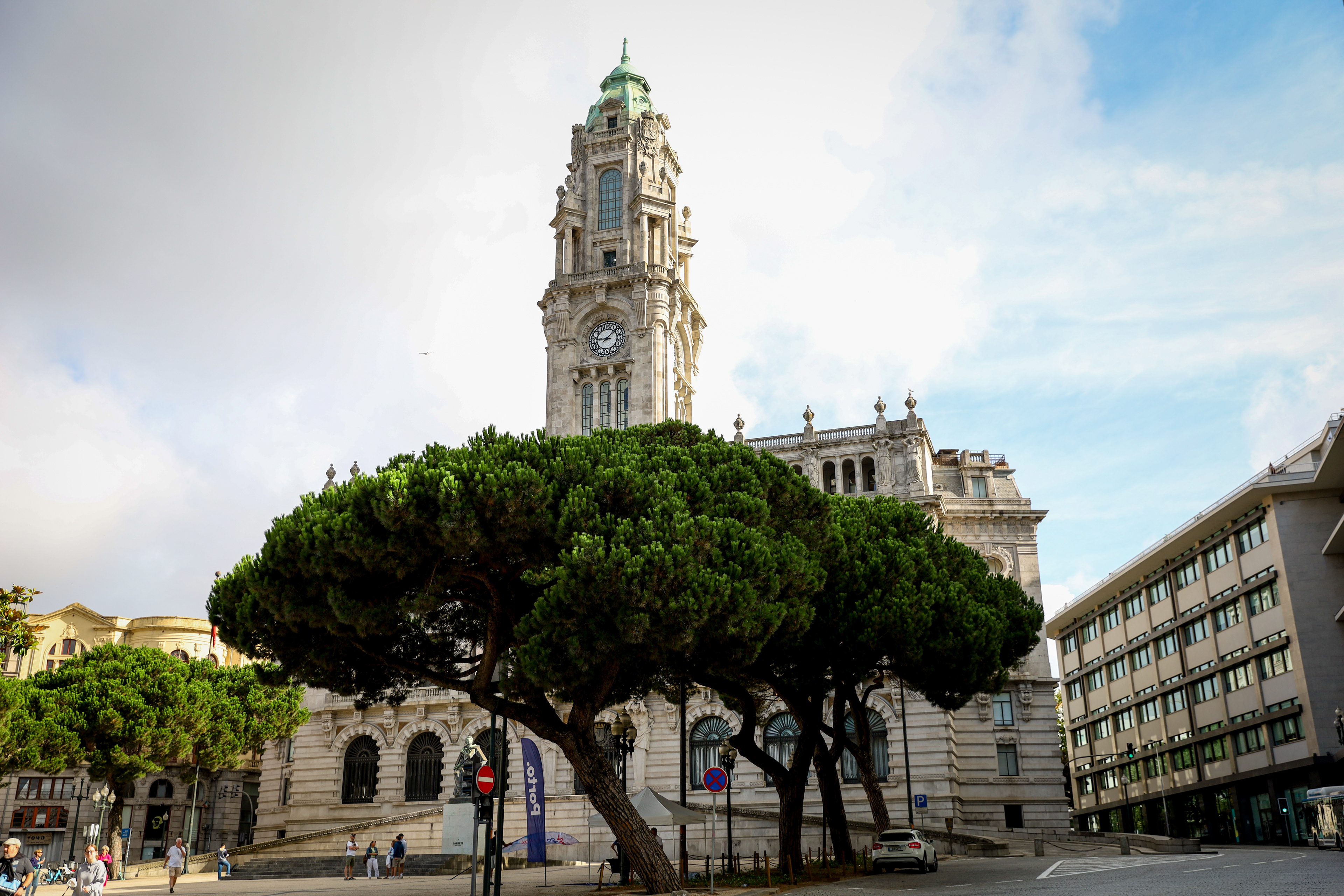
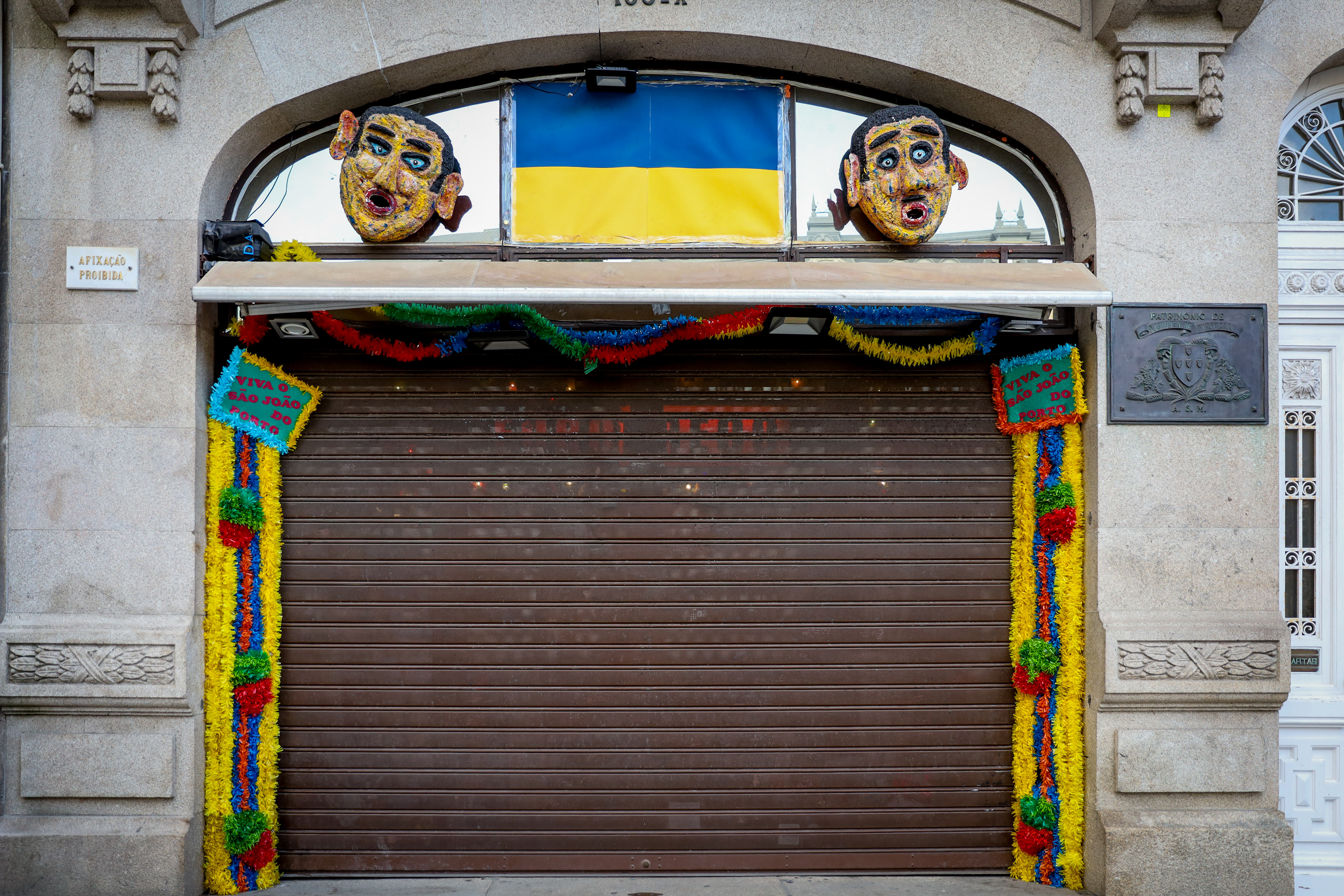
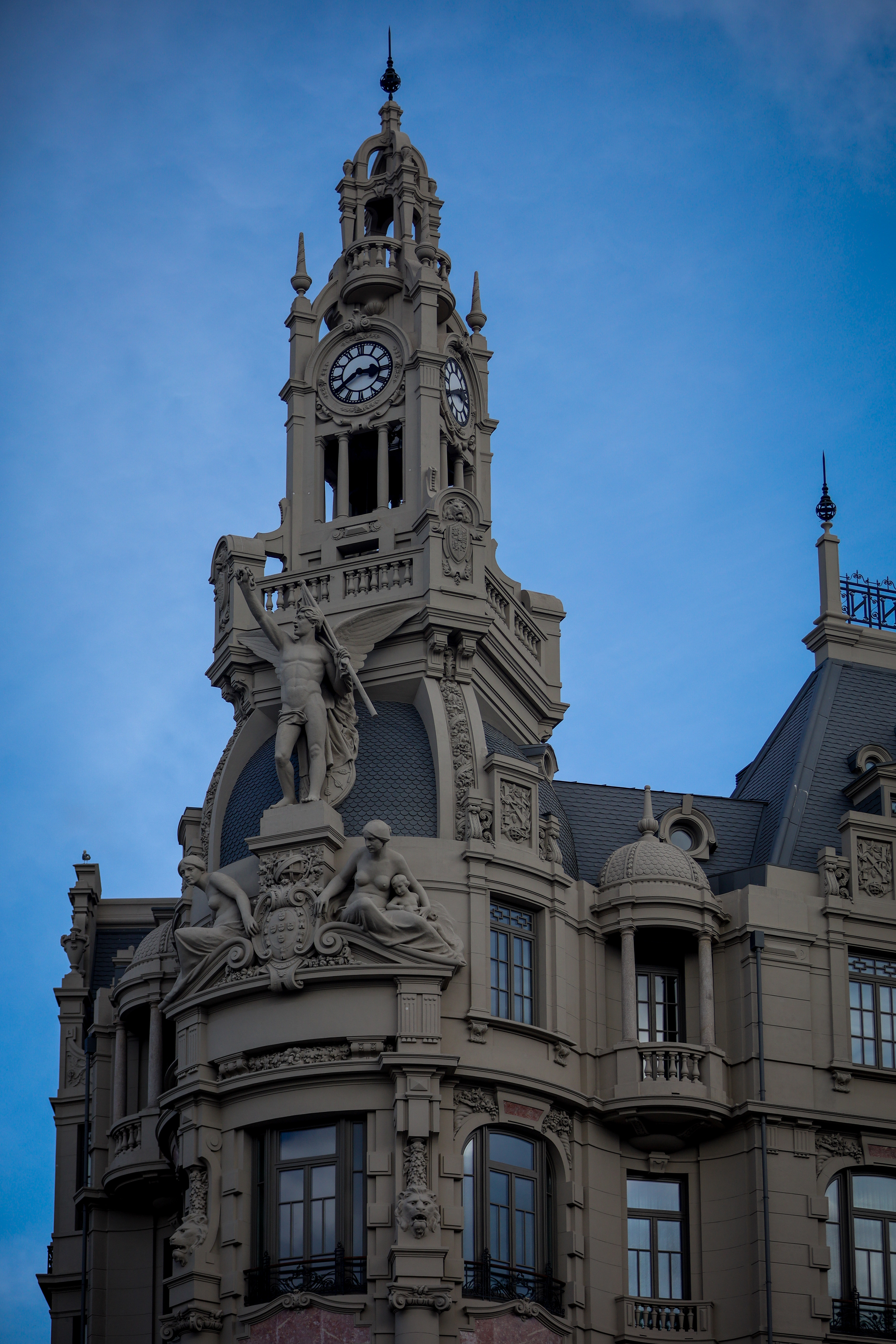
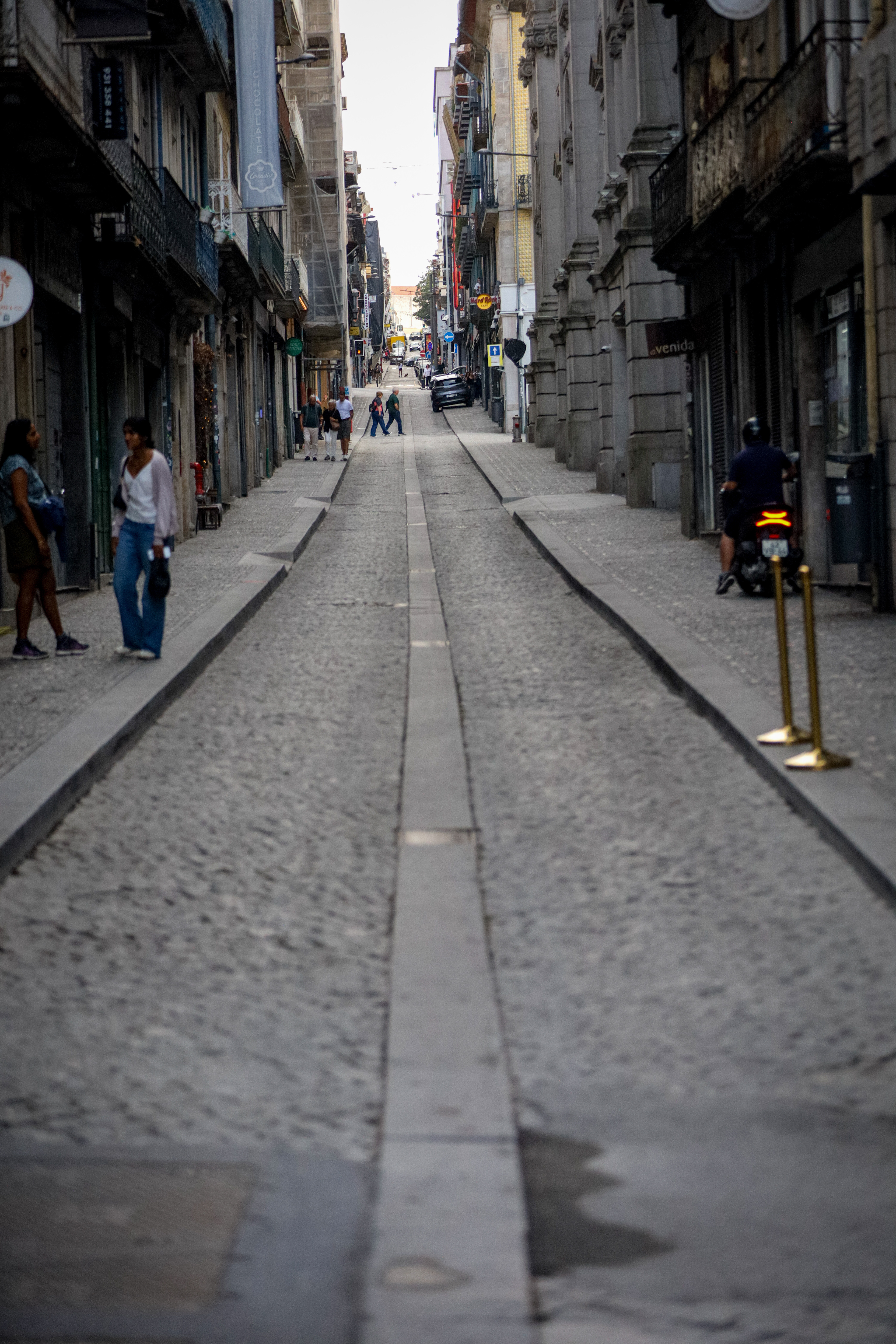
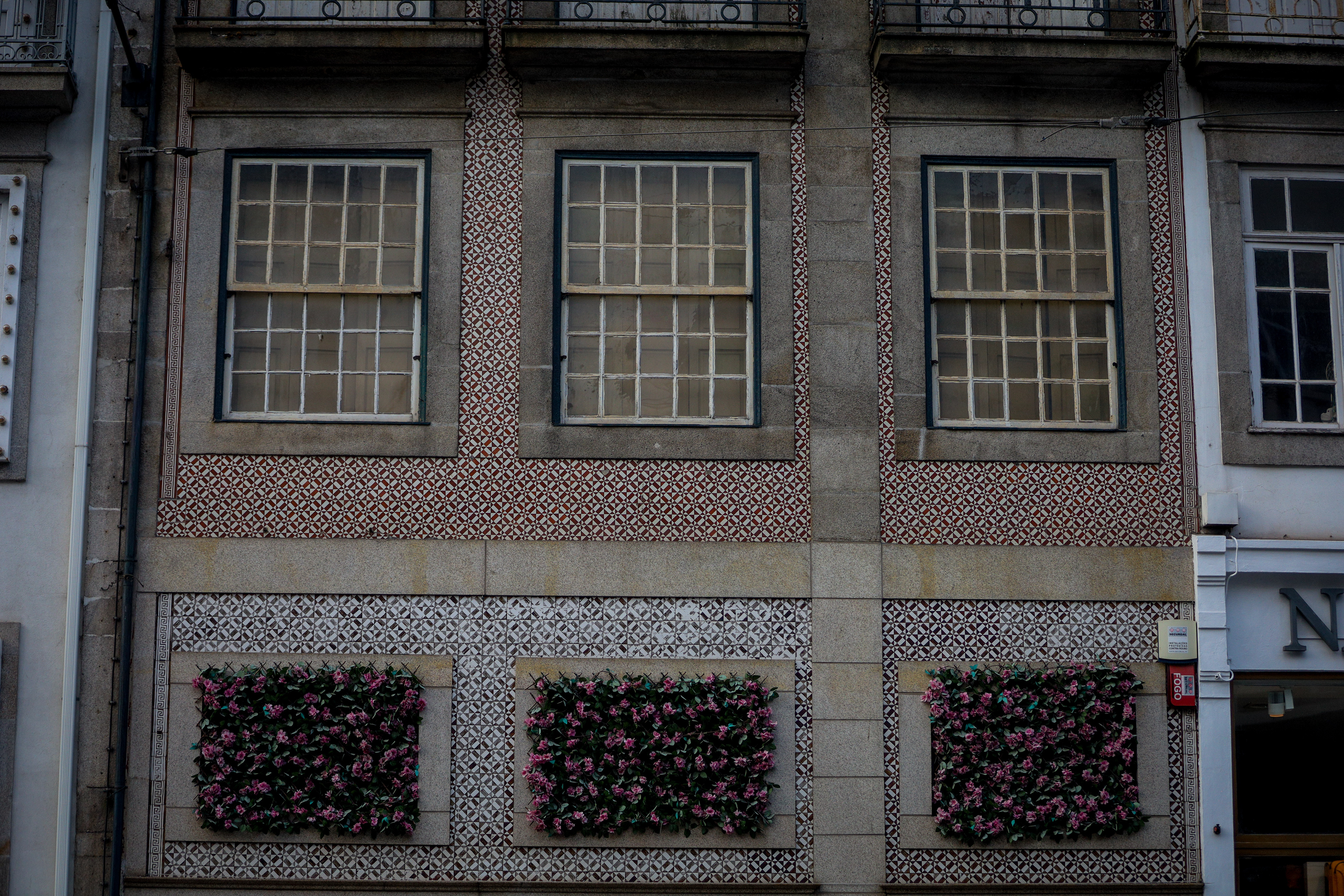
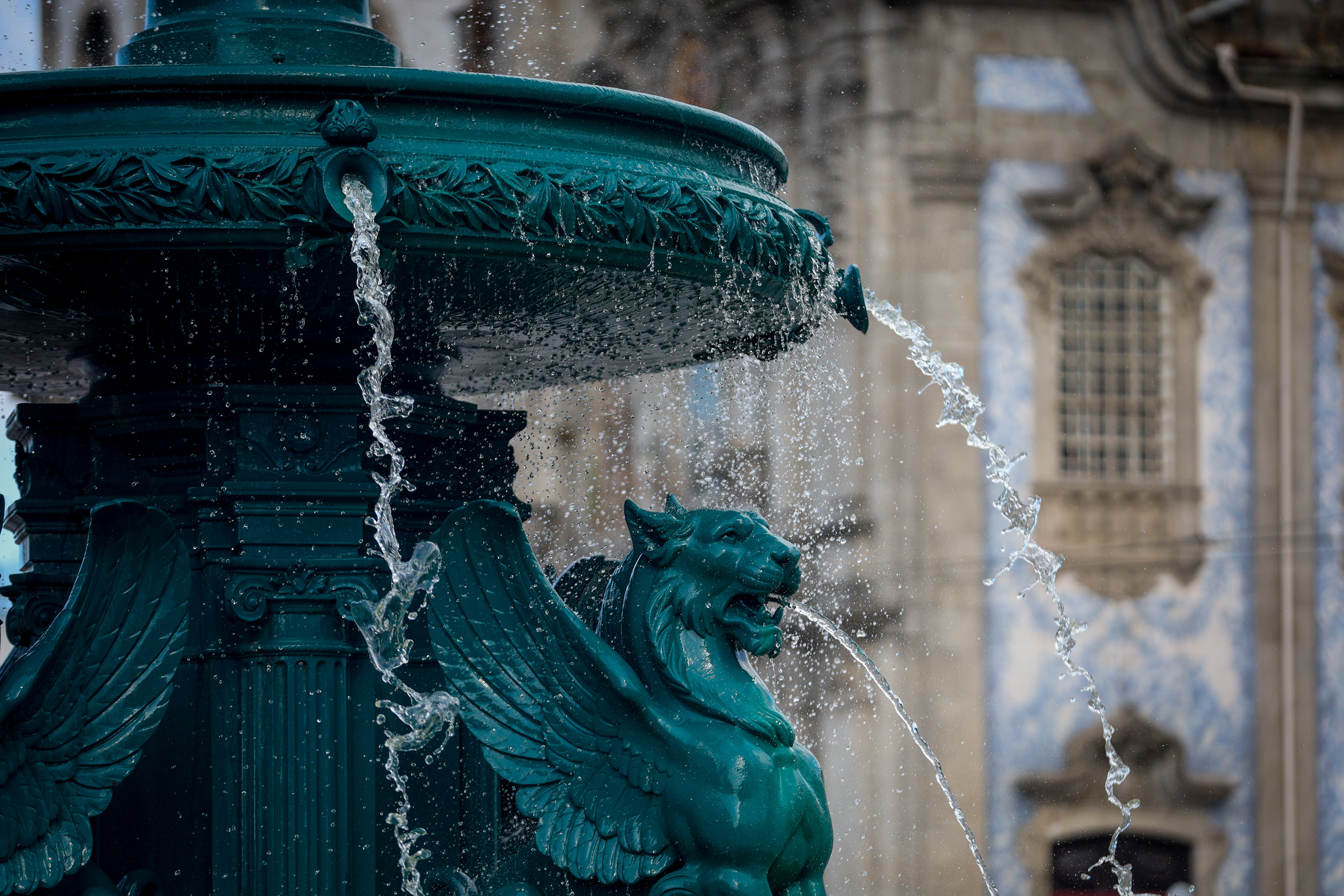
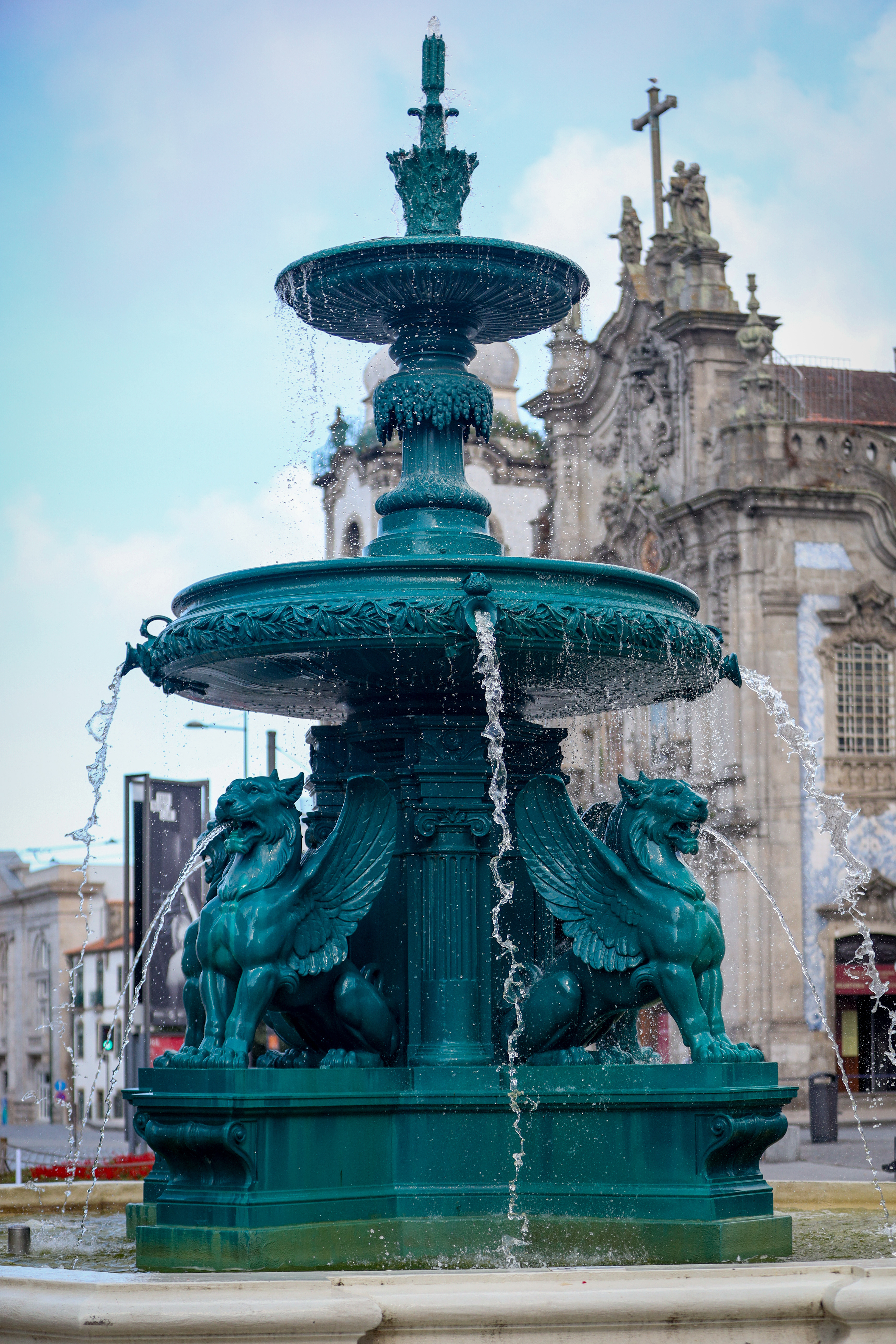
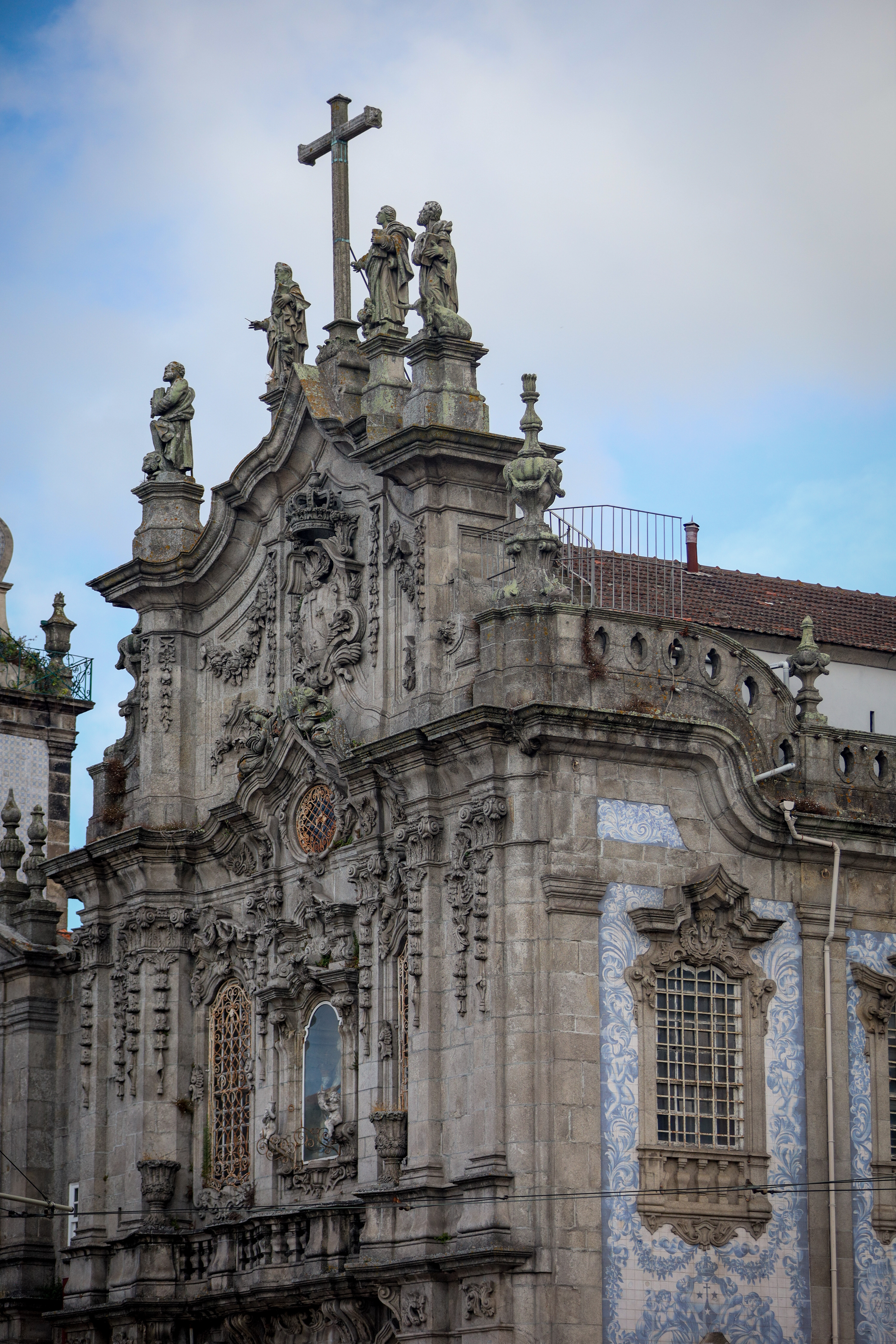
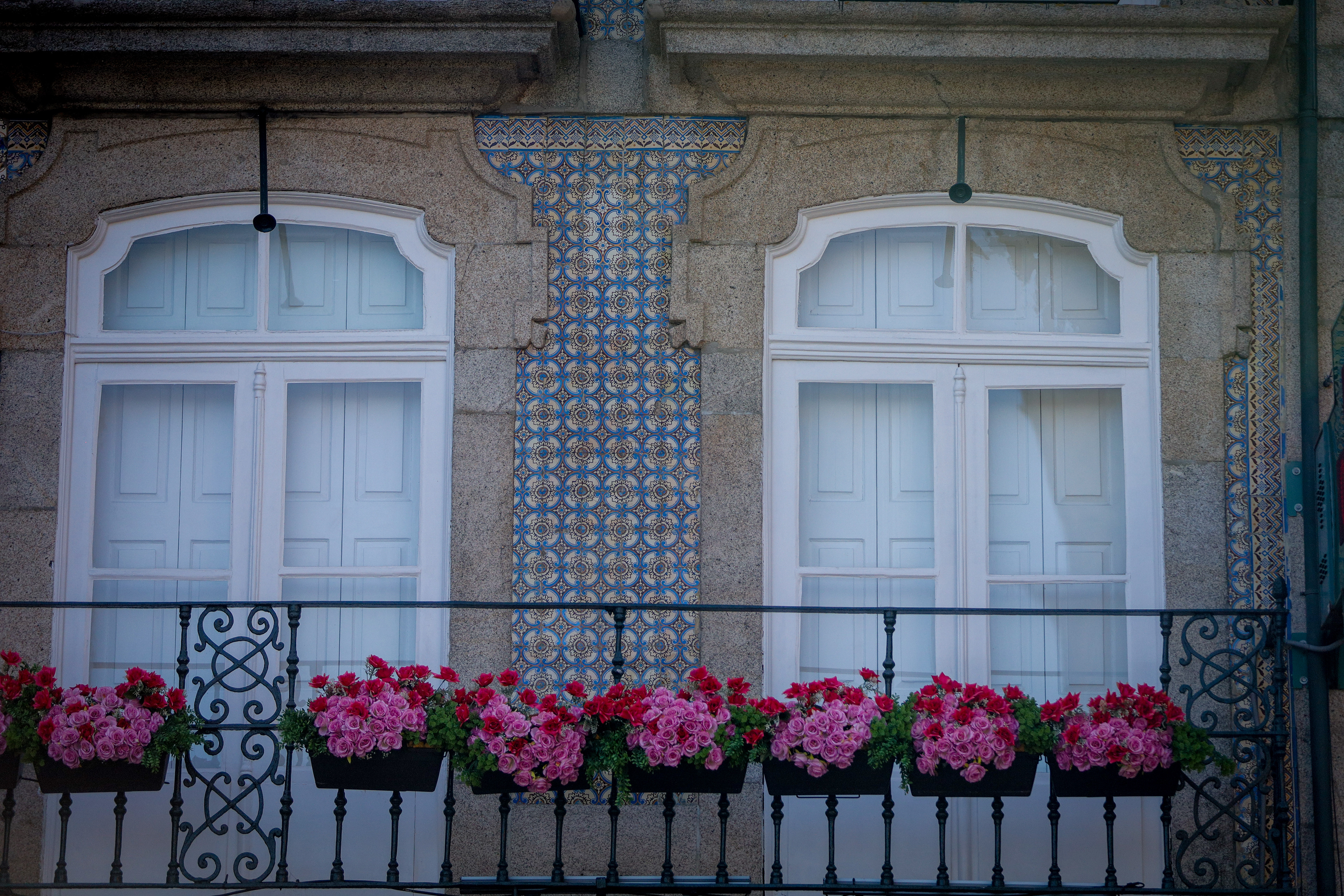
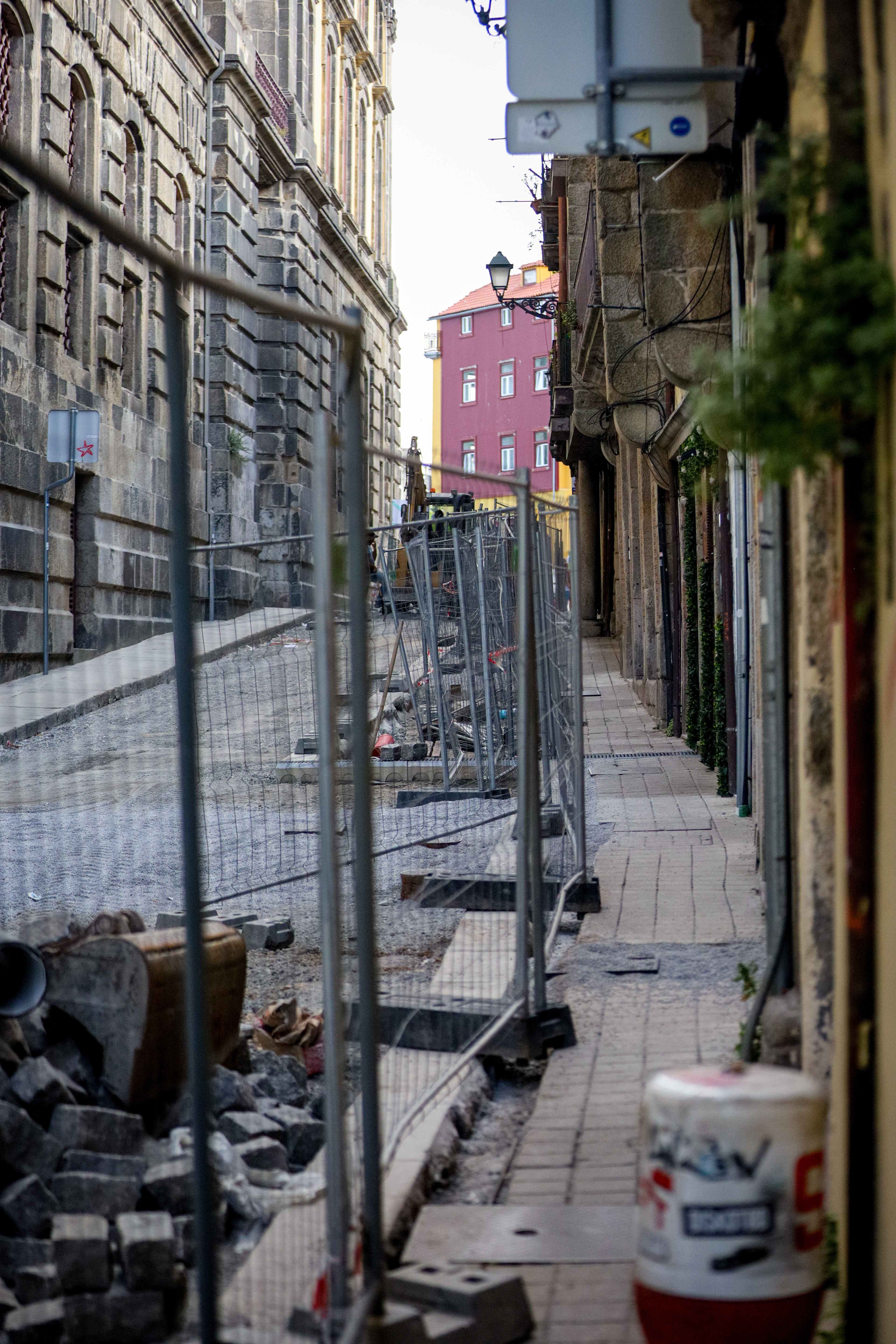
Streets of Porto 2025
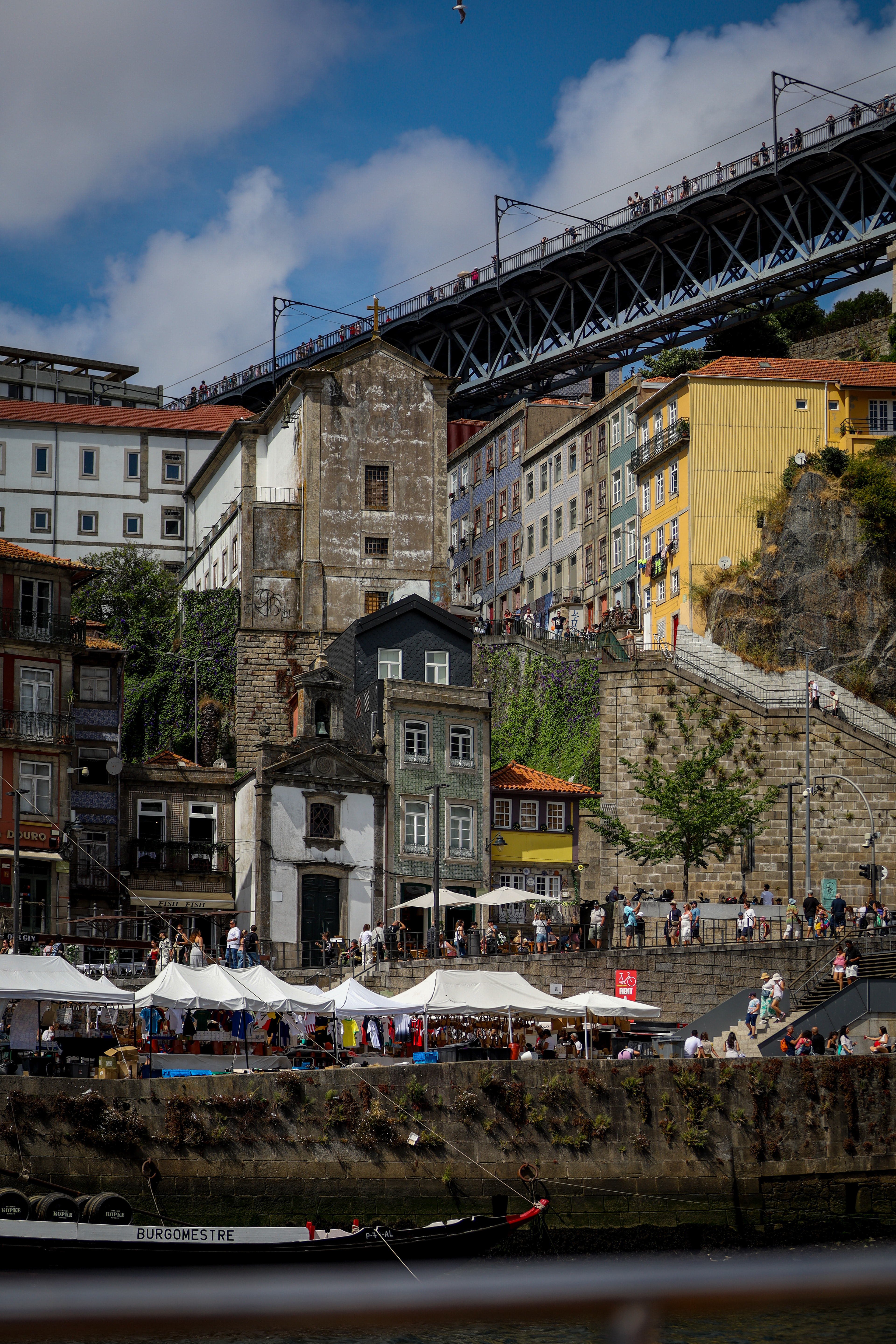
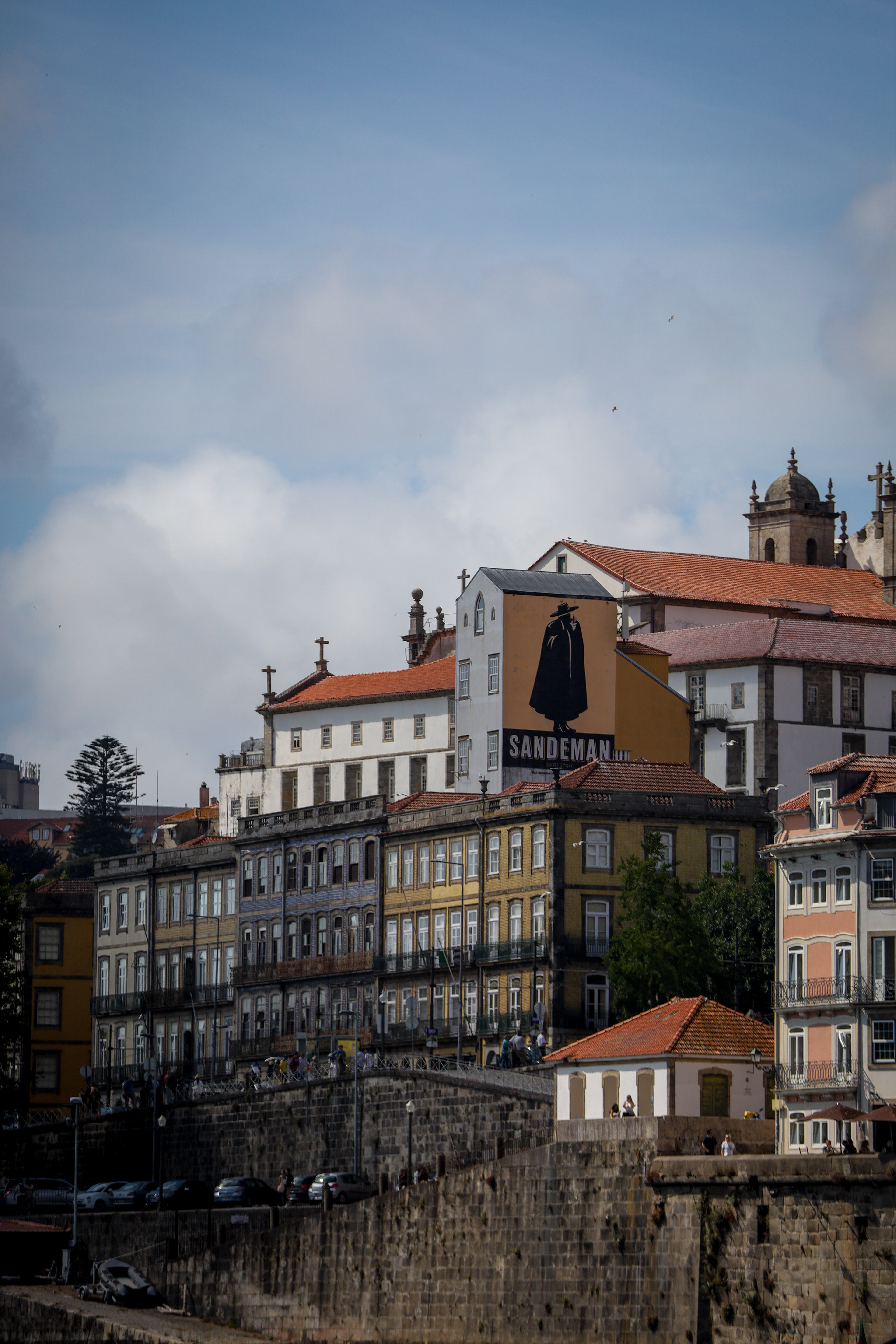
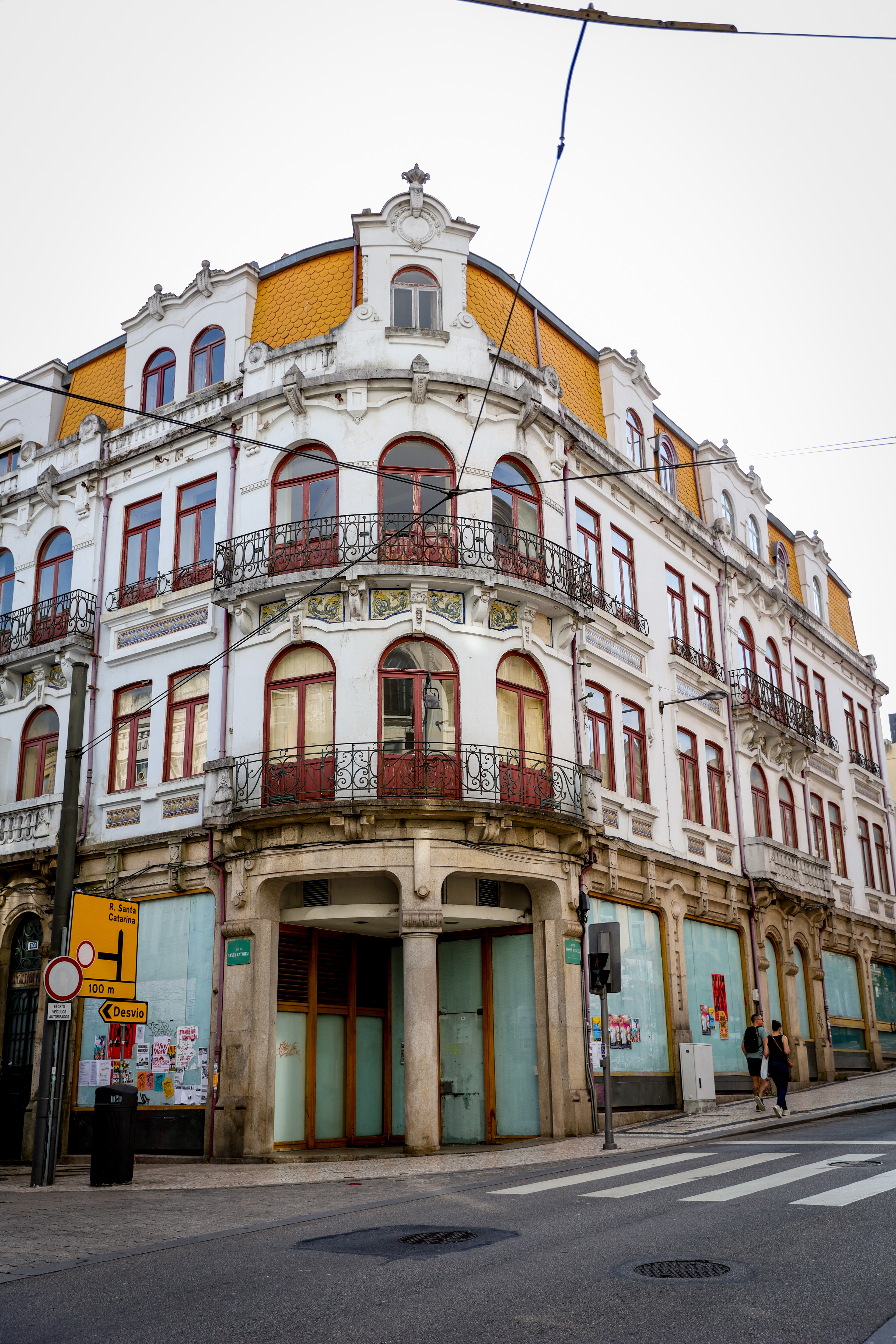
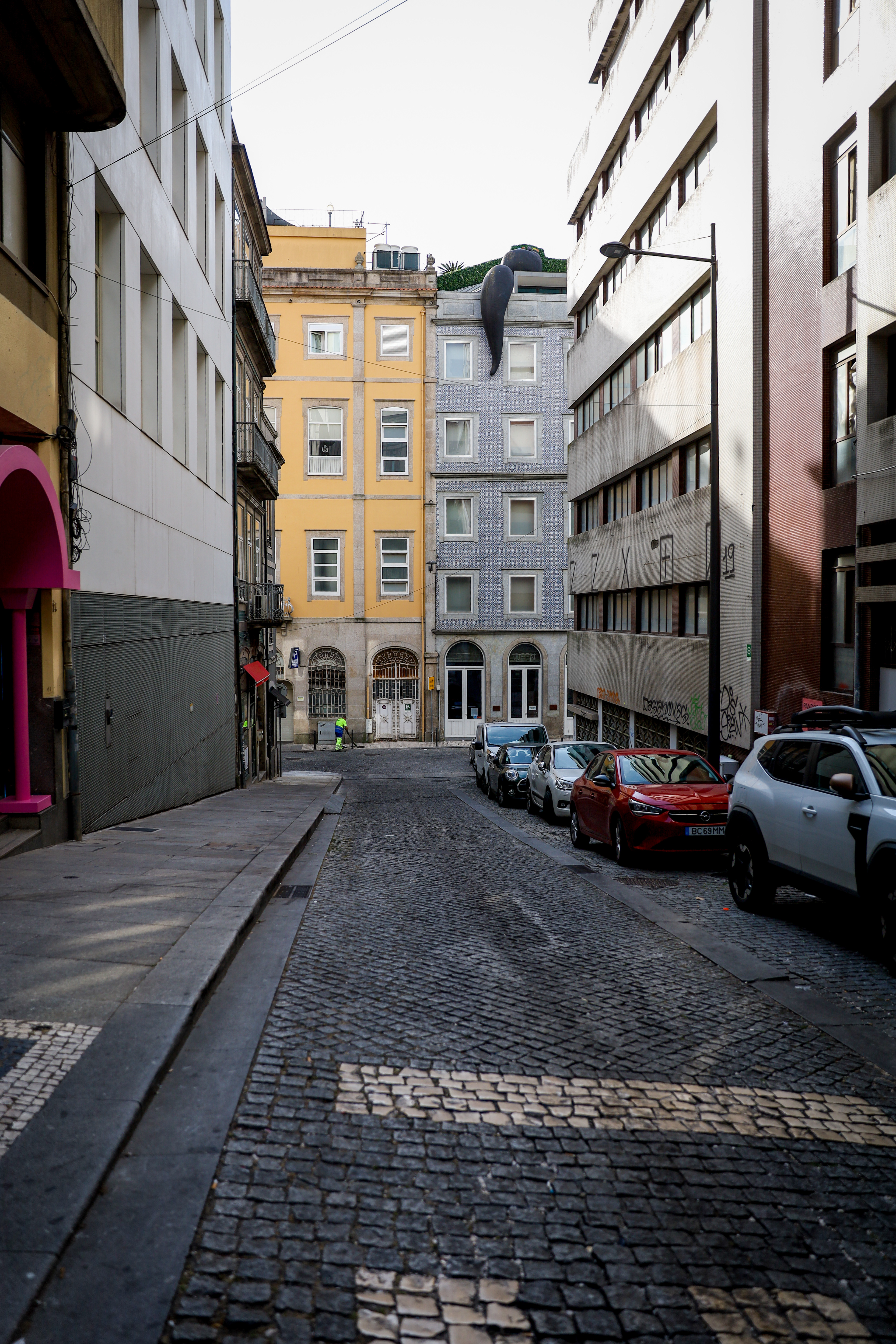
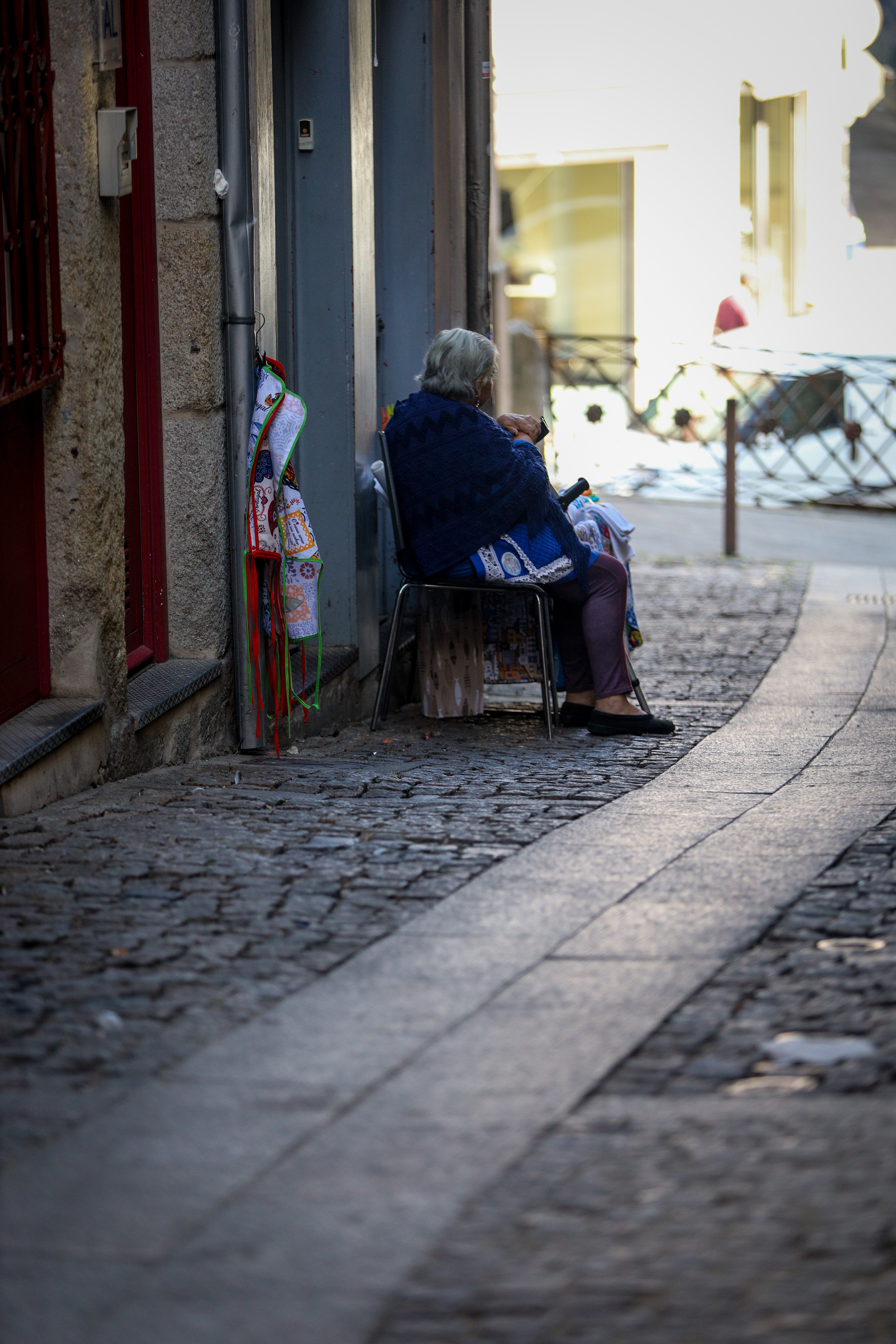
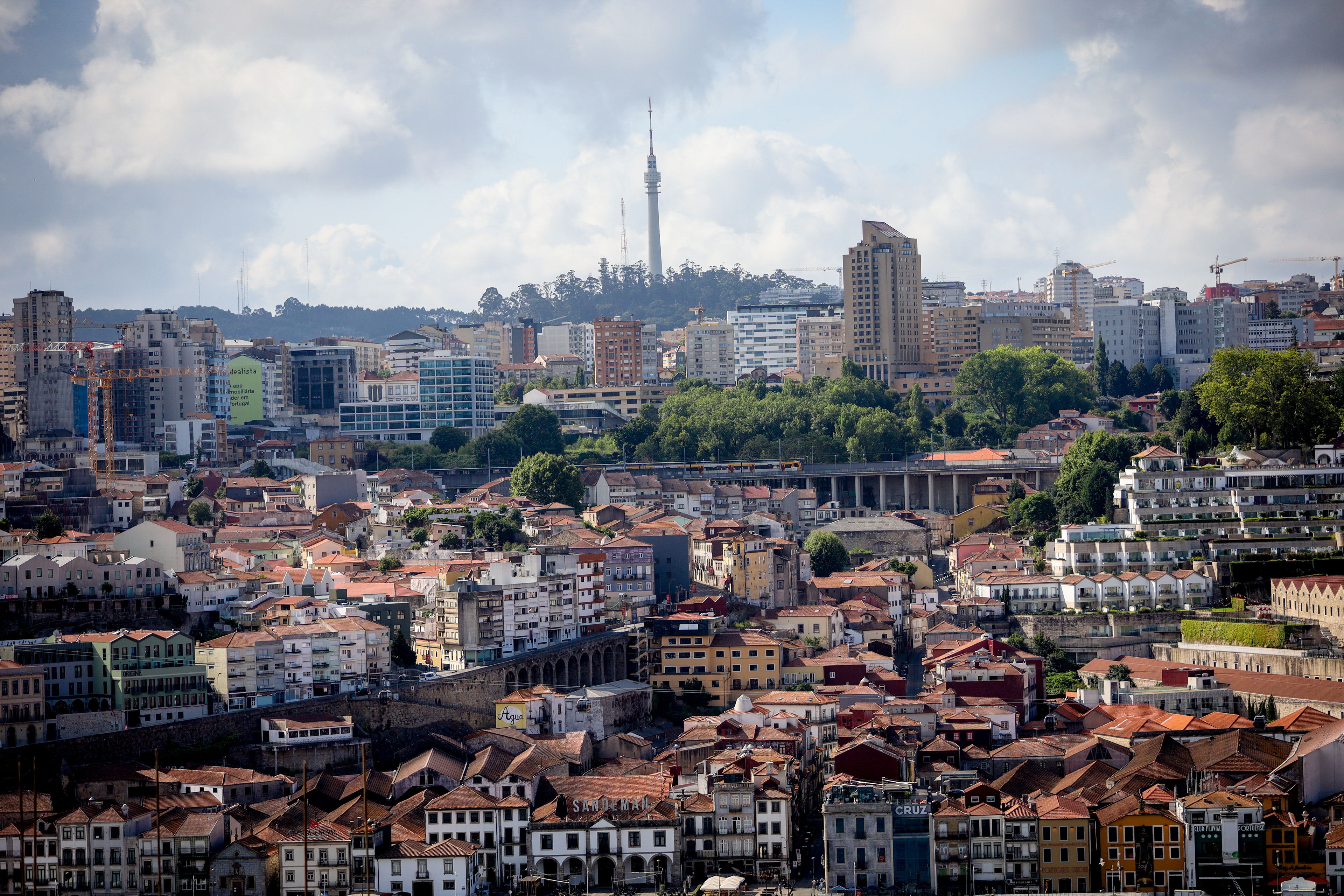
Granite, laundry, hills that make every walk count—Porto shows its seams and that’s the appeal.
I chased light down alleys and up viewpoints.
Honest city, honest frames.
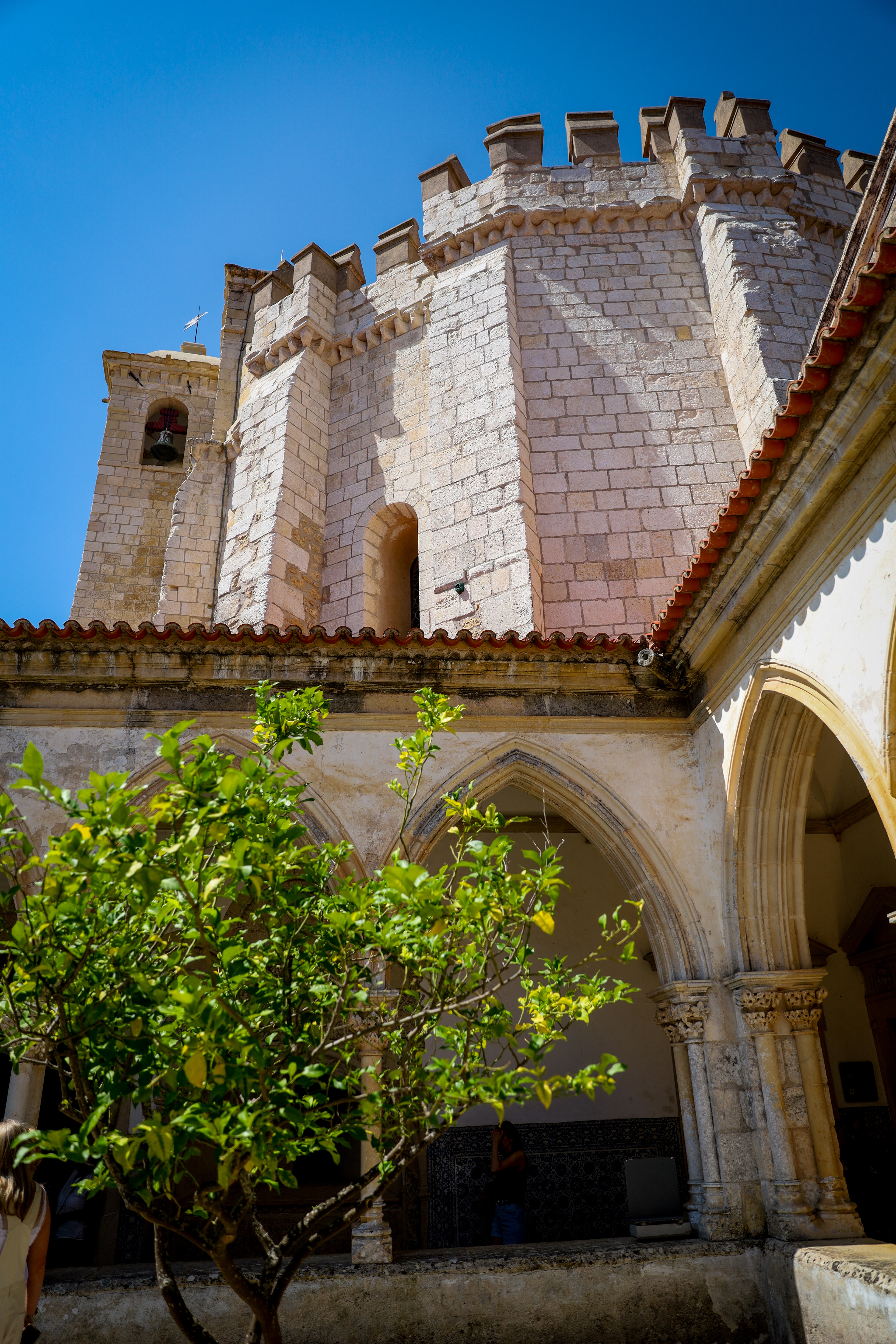
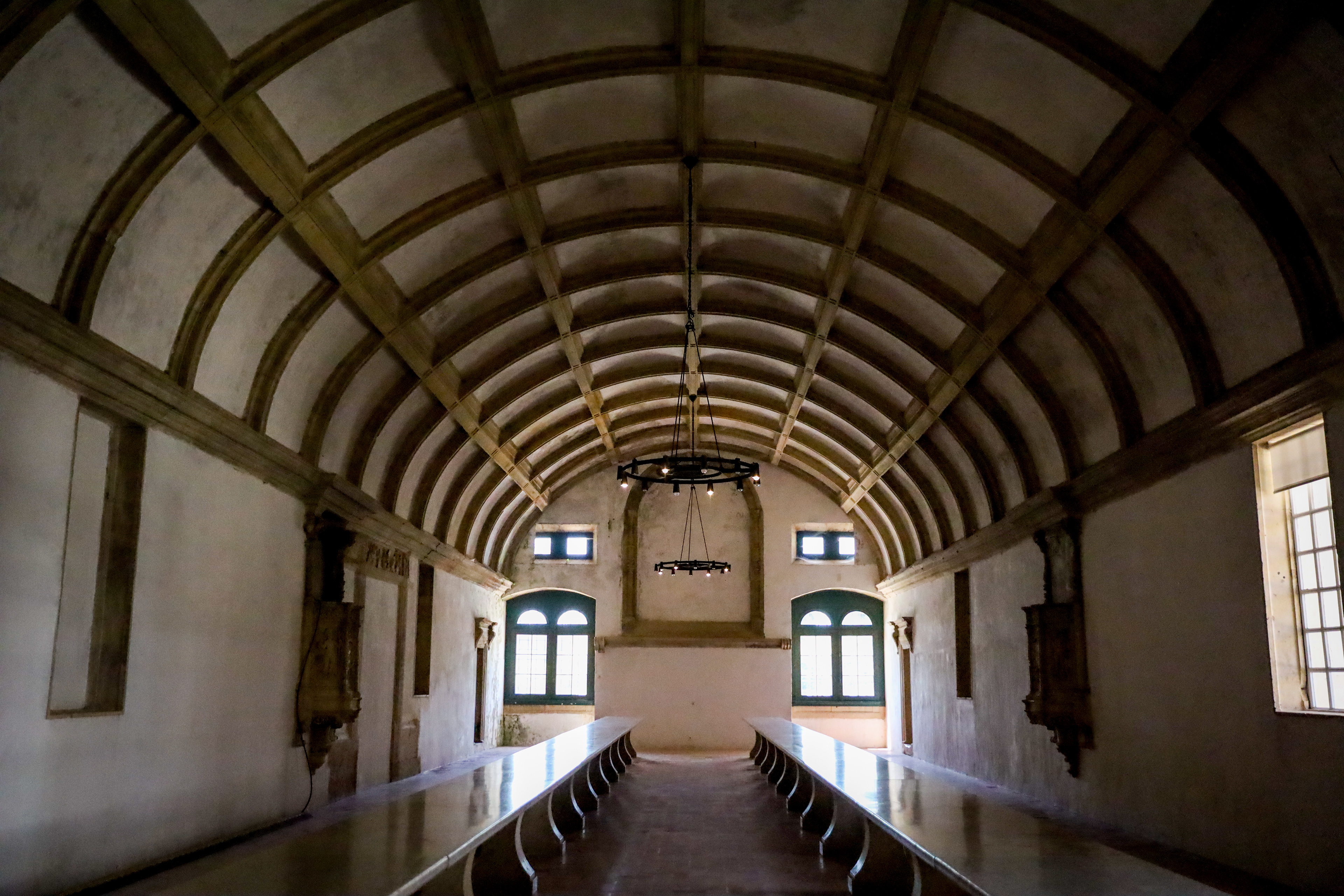
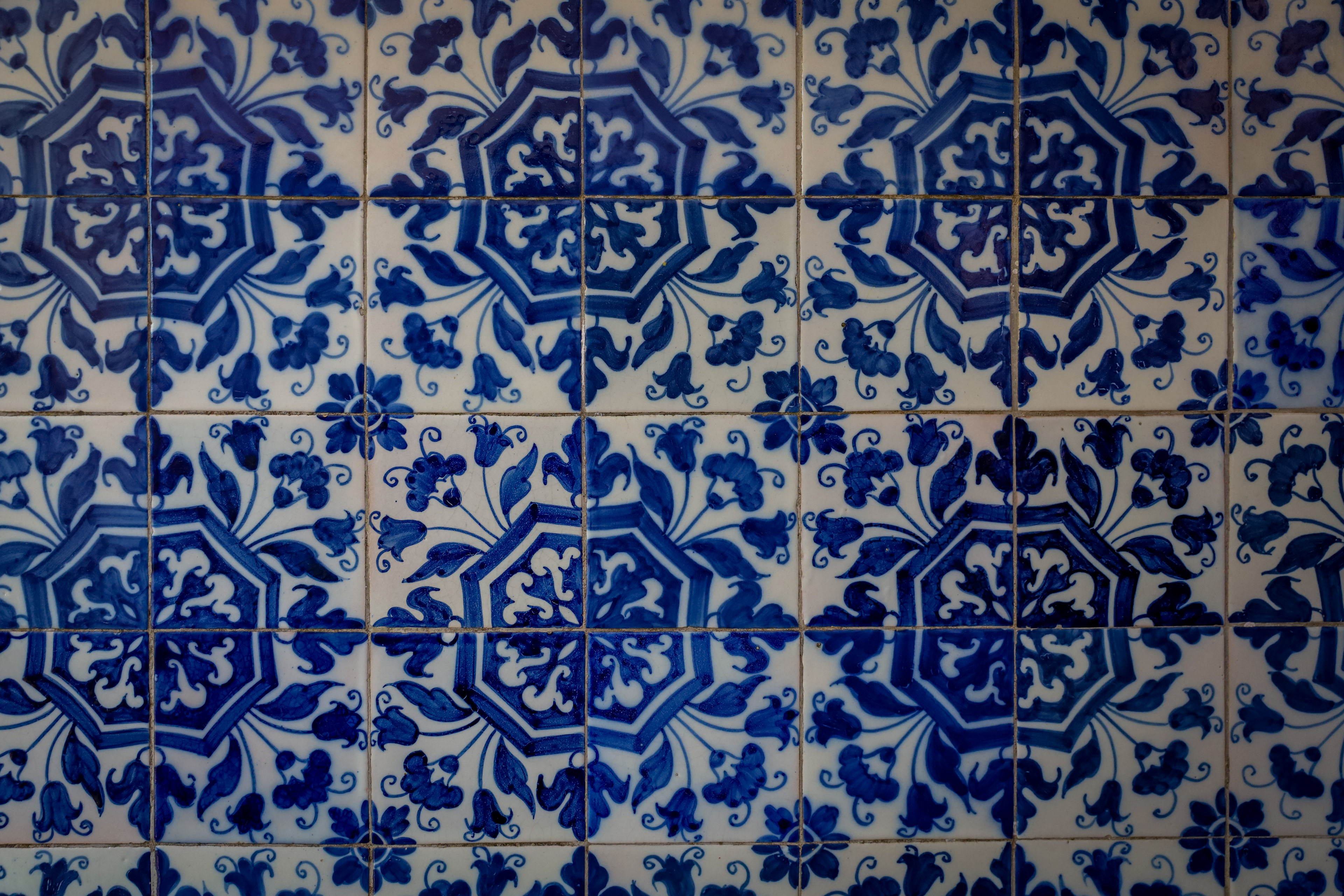
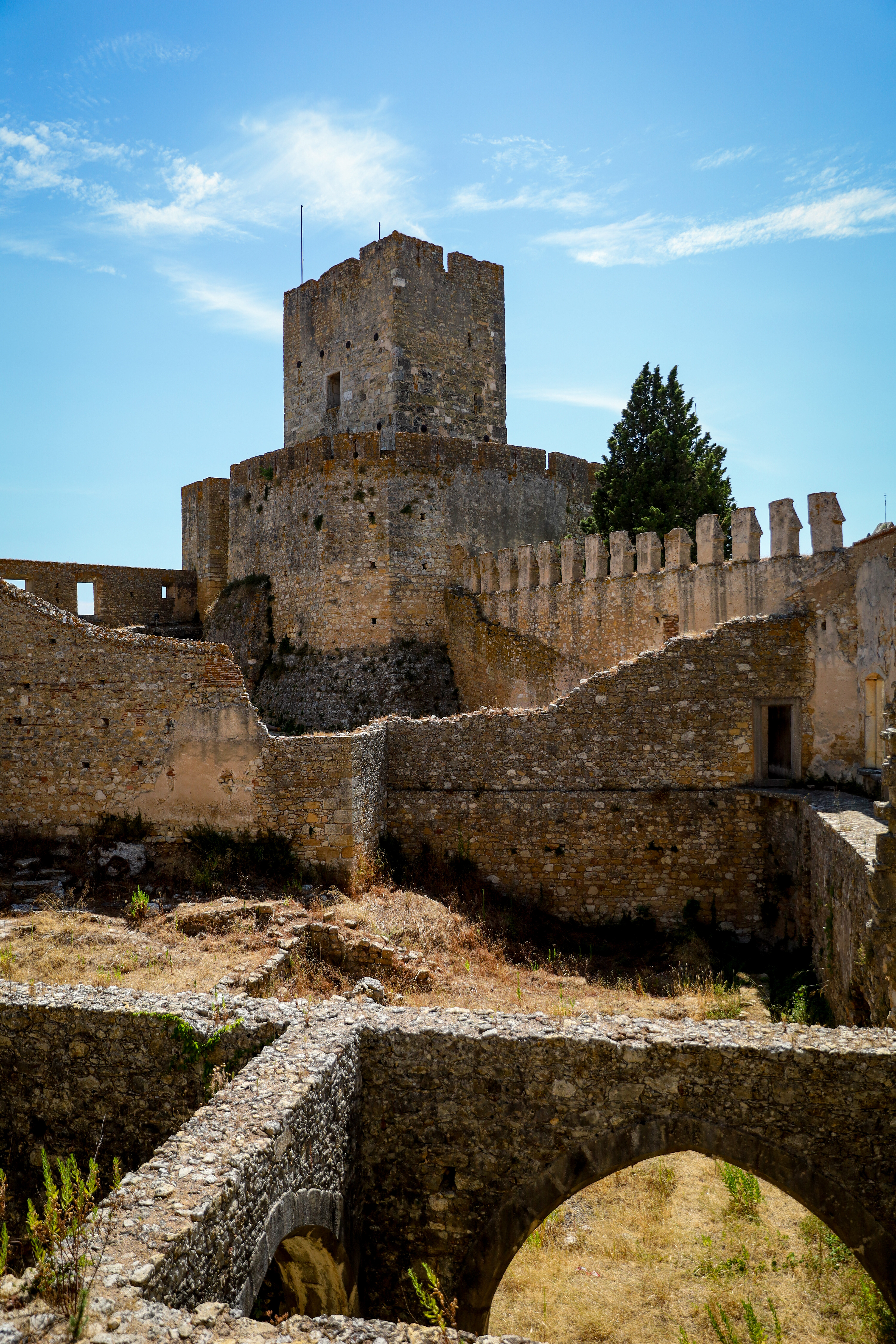
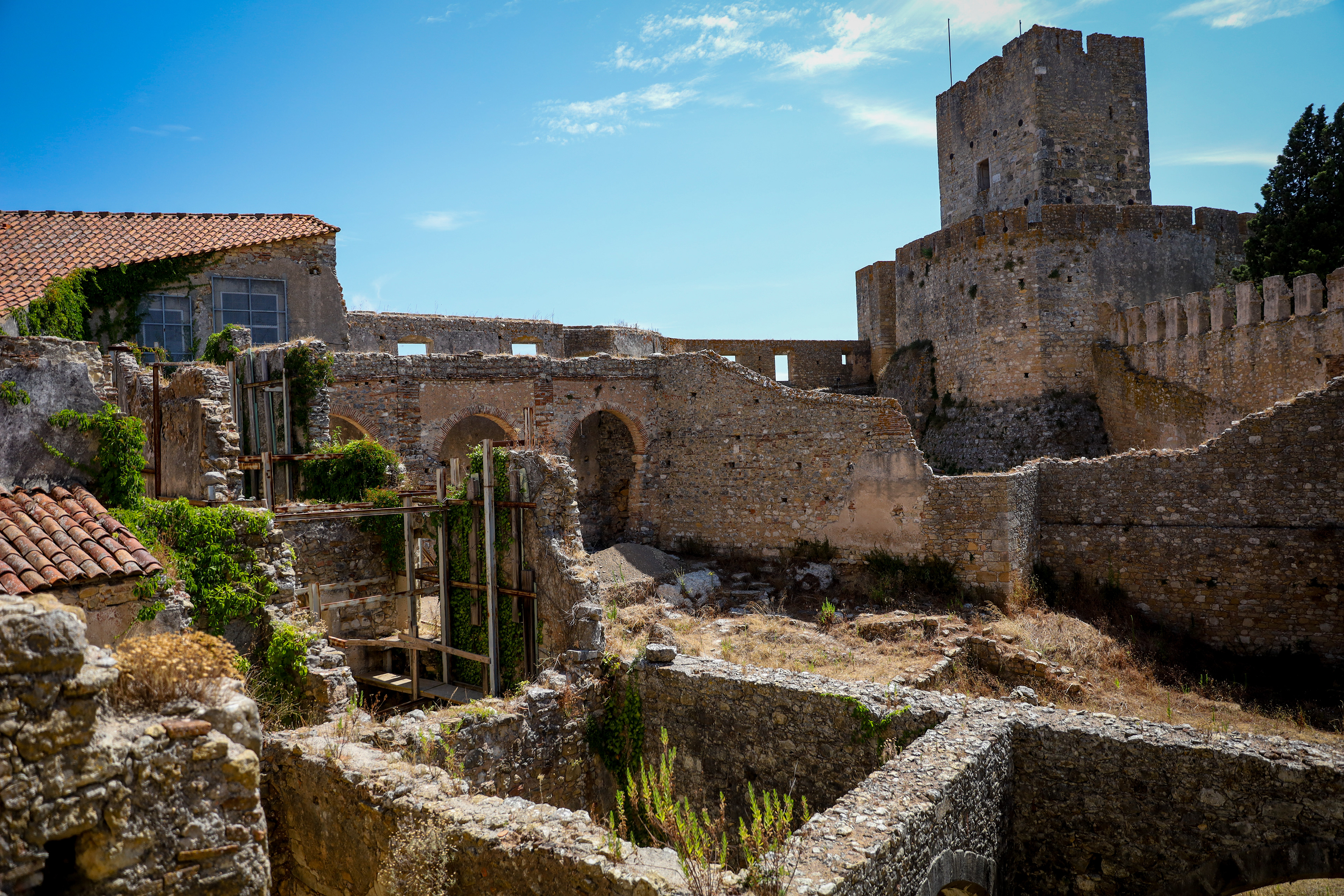
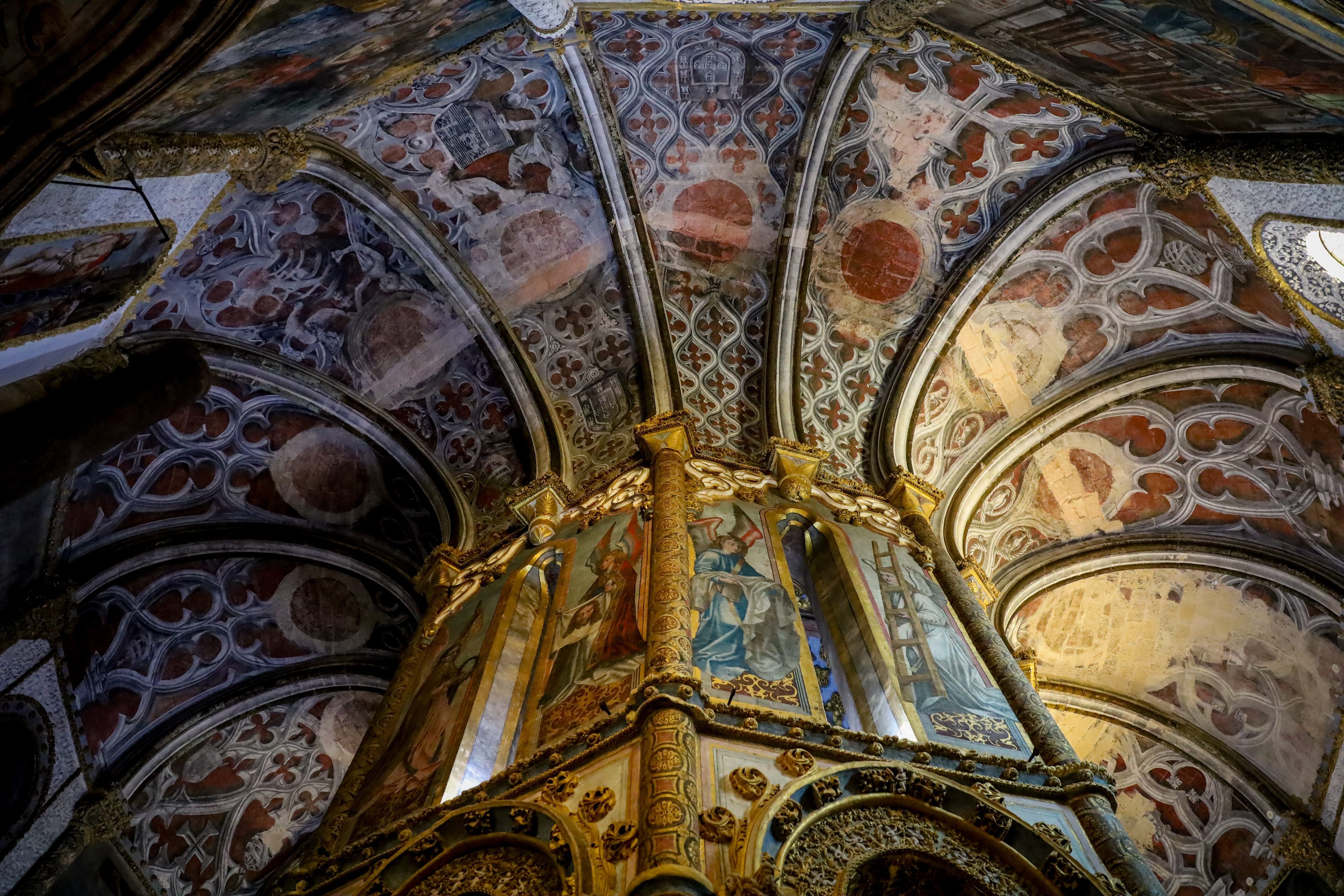
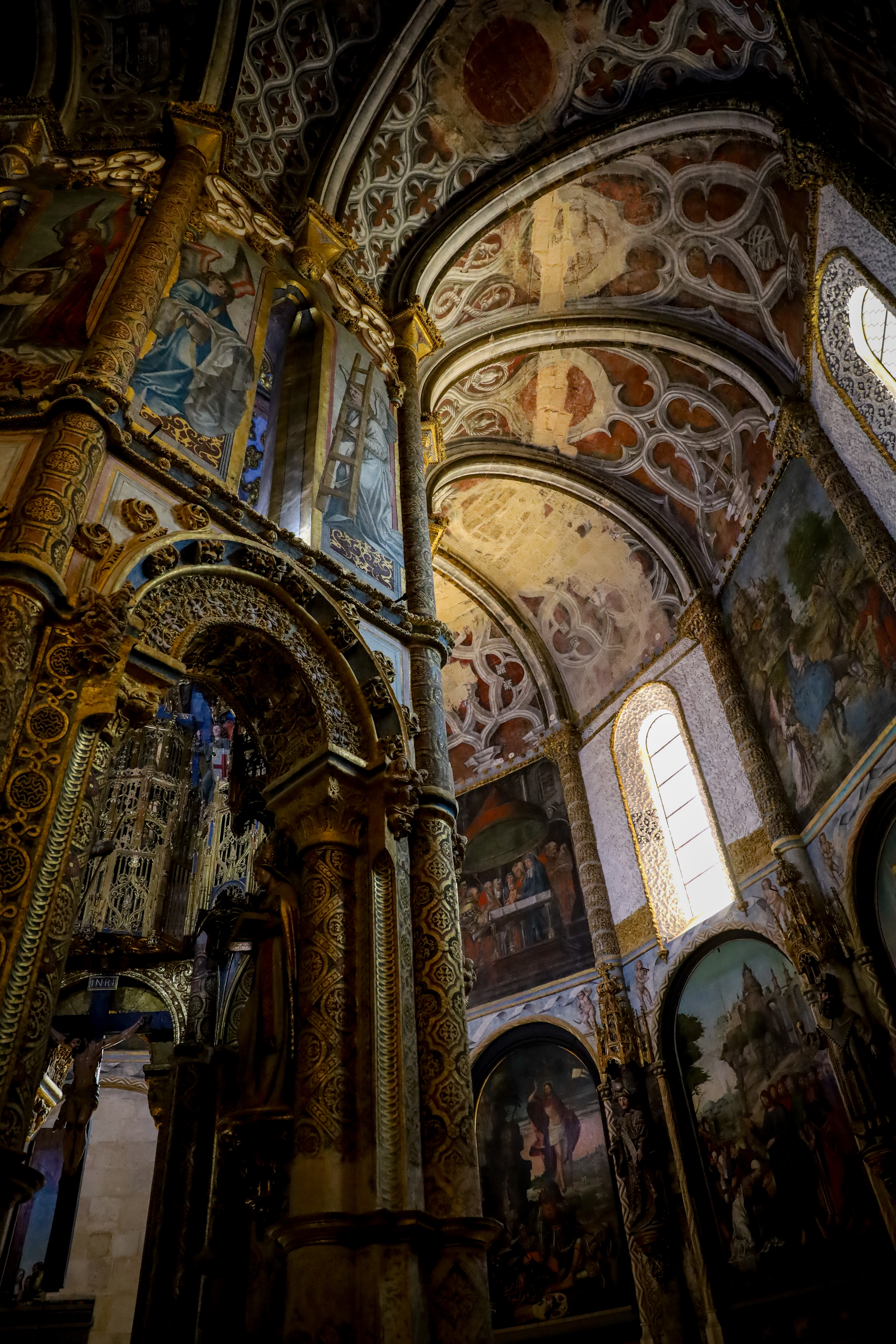
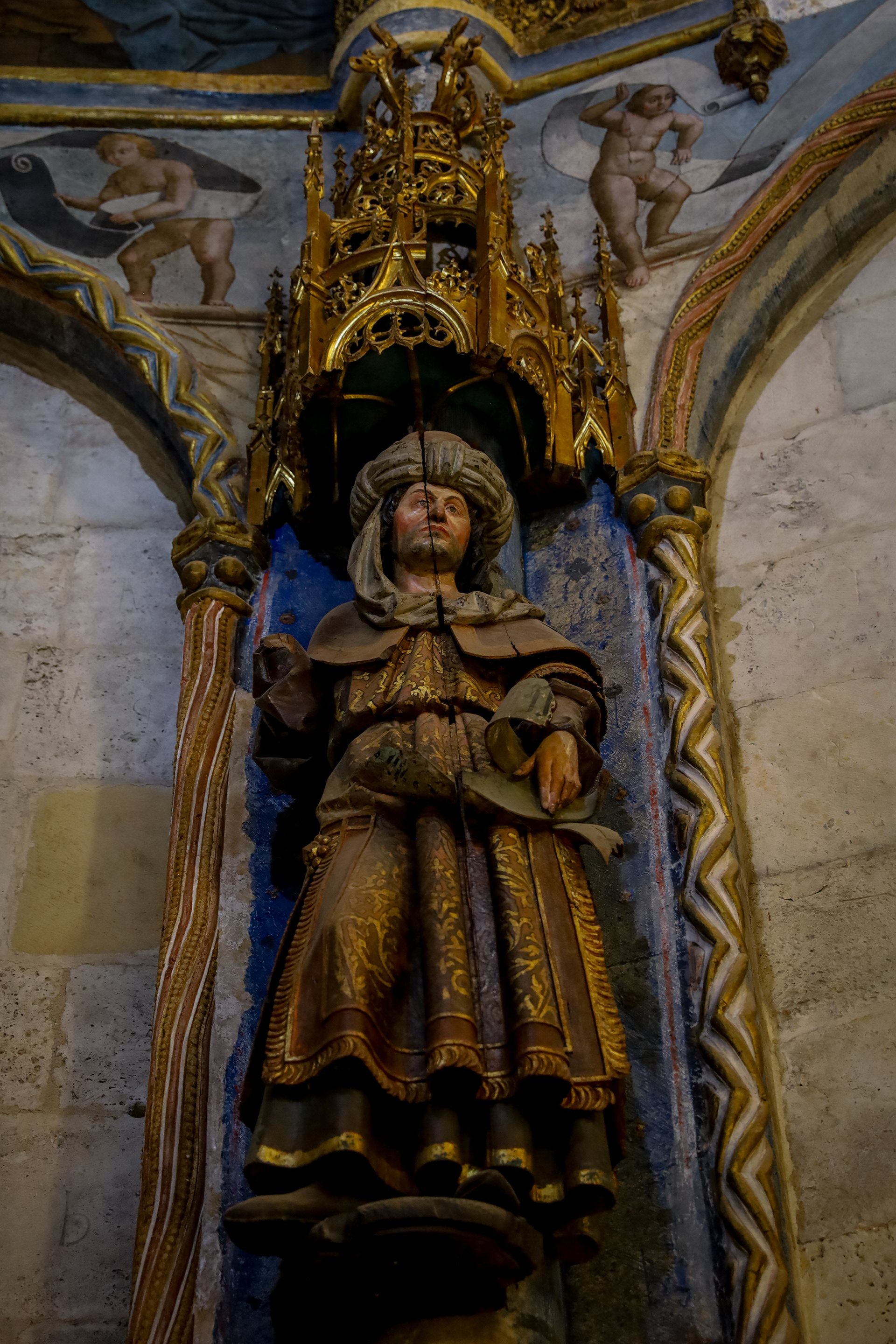
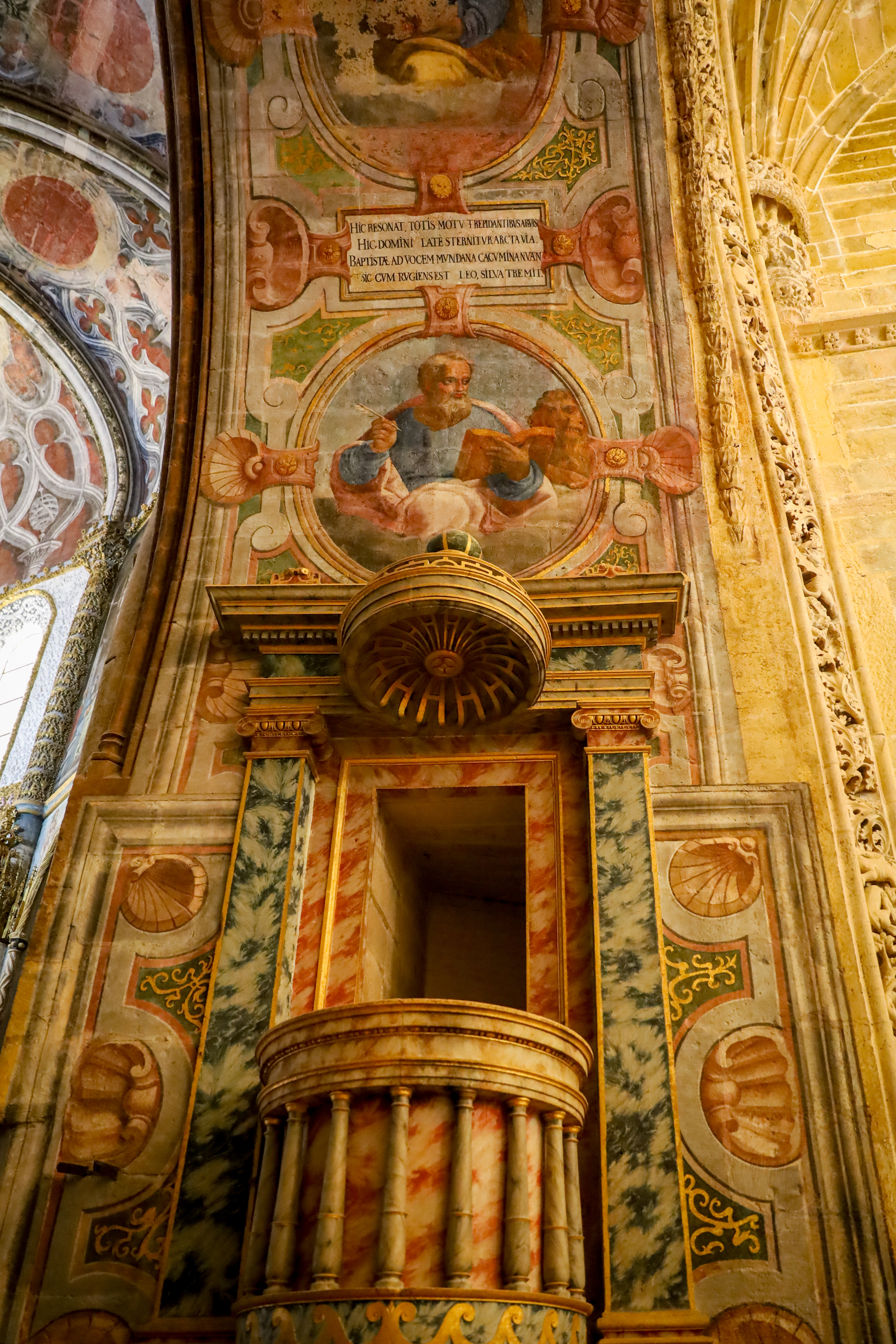
Templar Castle & Convent of Christ (UNESCO) 2025
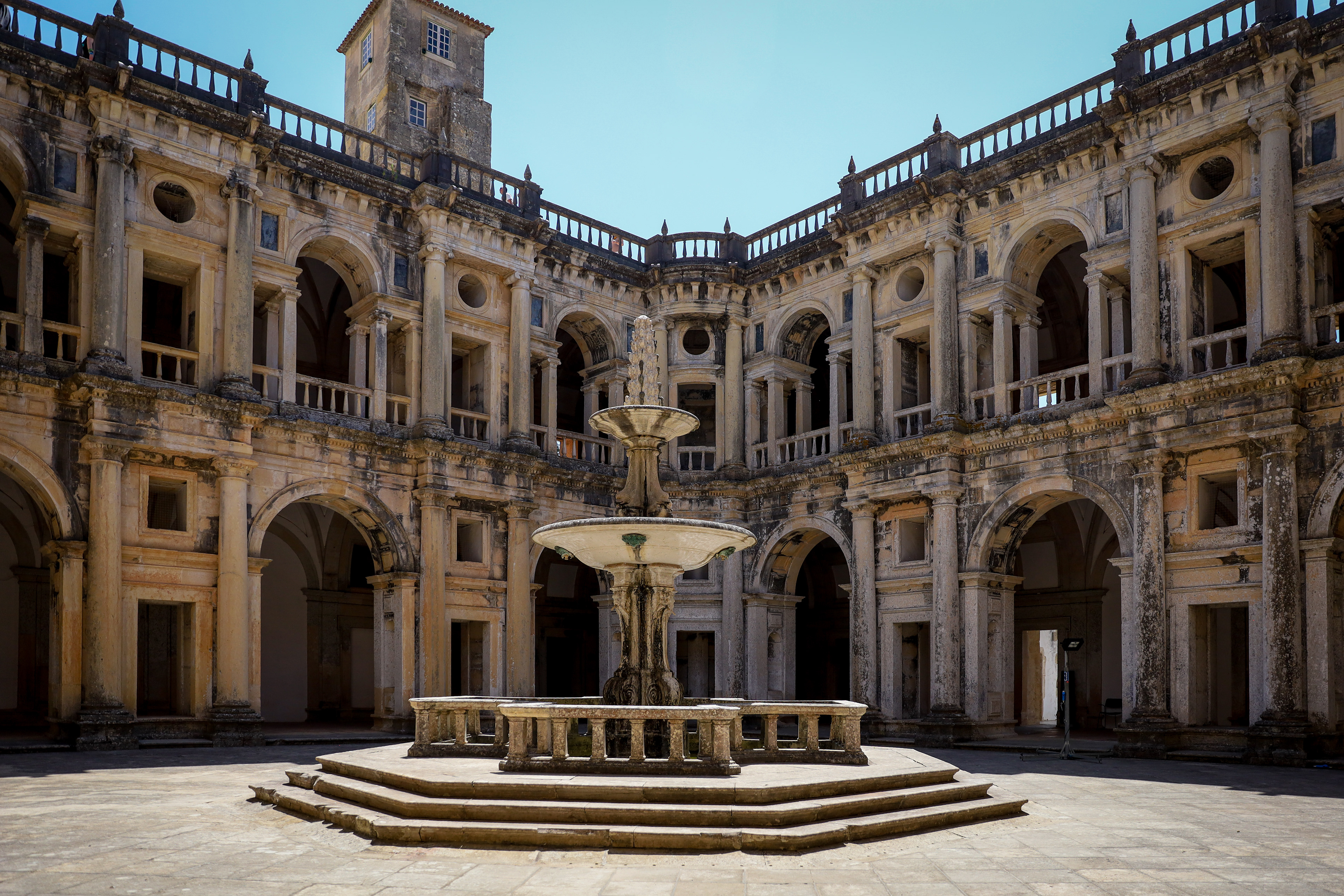
Tomar reads like history written in stone.
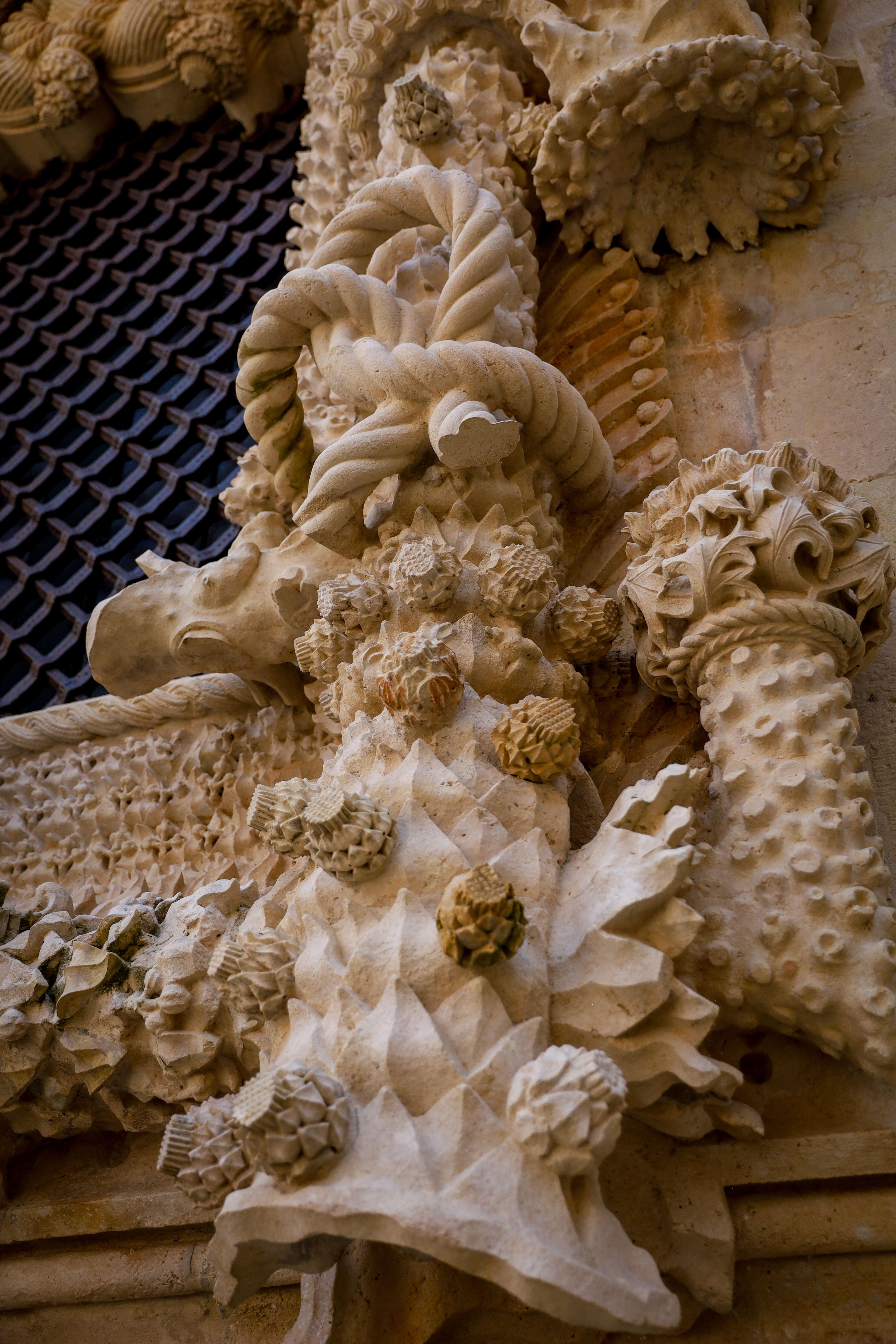
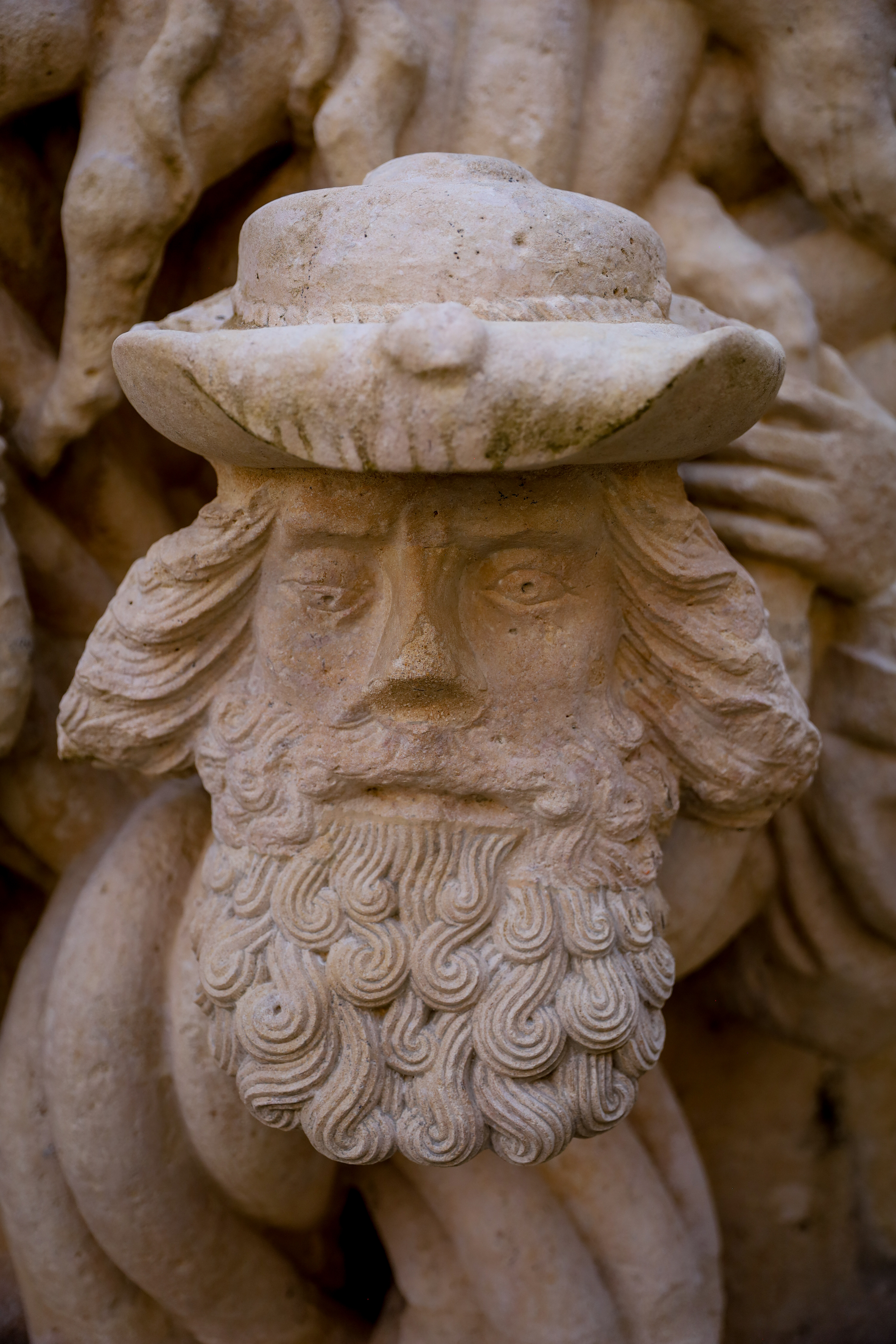
Round church, layered cloisters, carvings that turn rope and sea into lace. I moved between big sweeps and small details.
Time didn’t erase much here; it just kept adding footnotes.
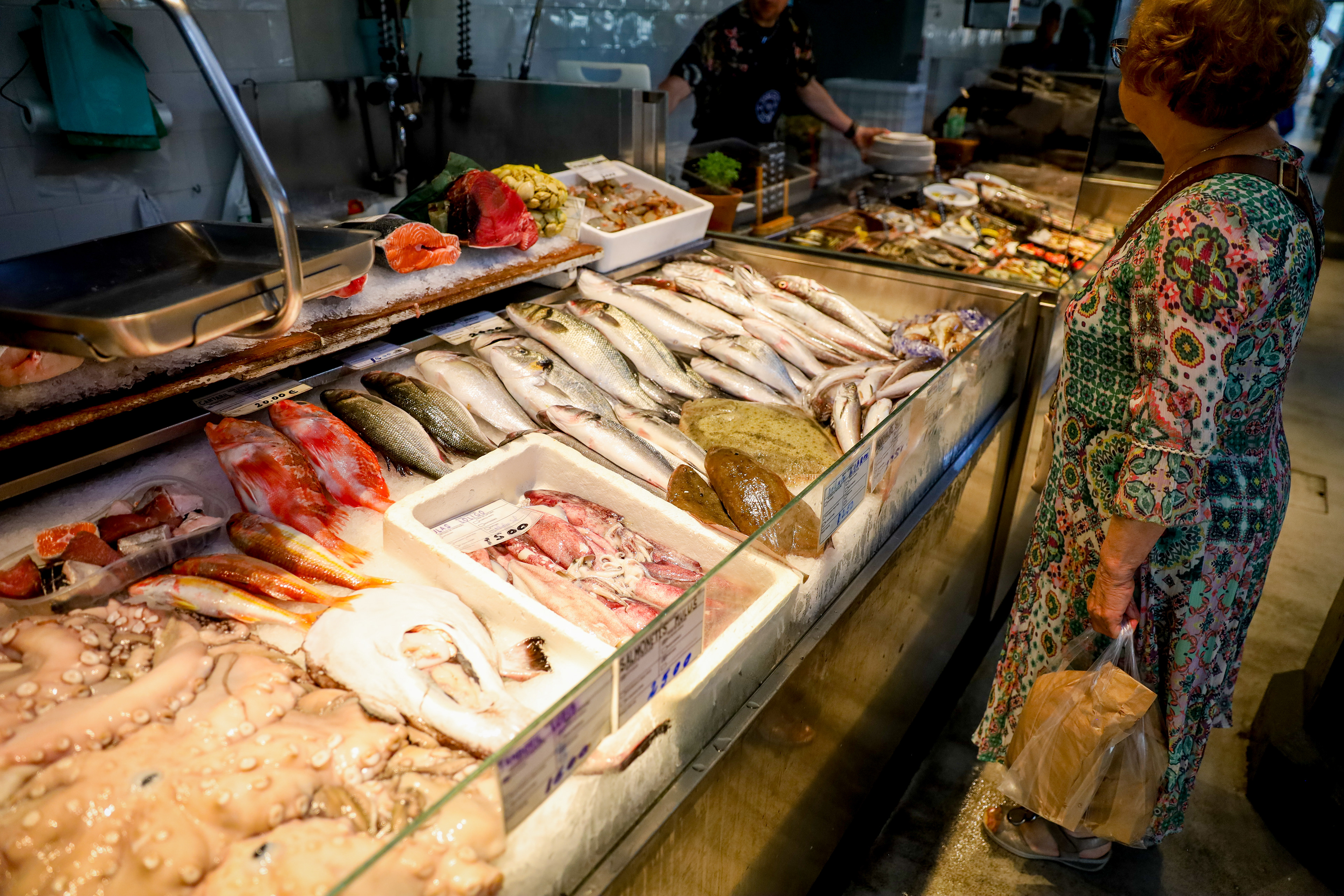
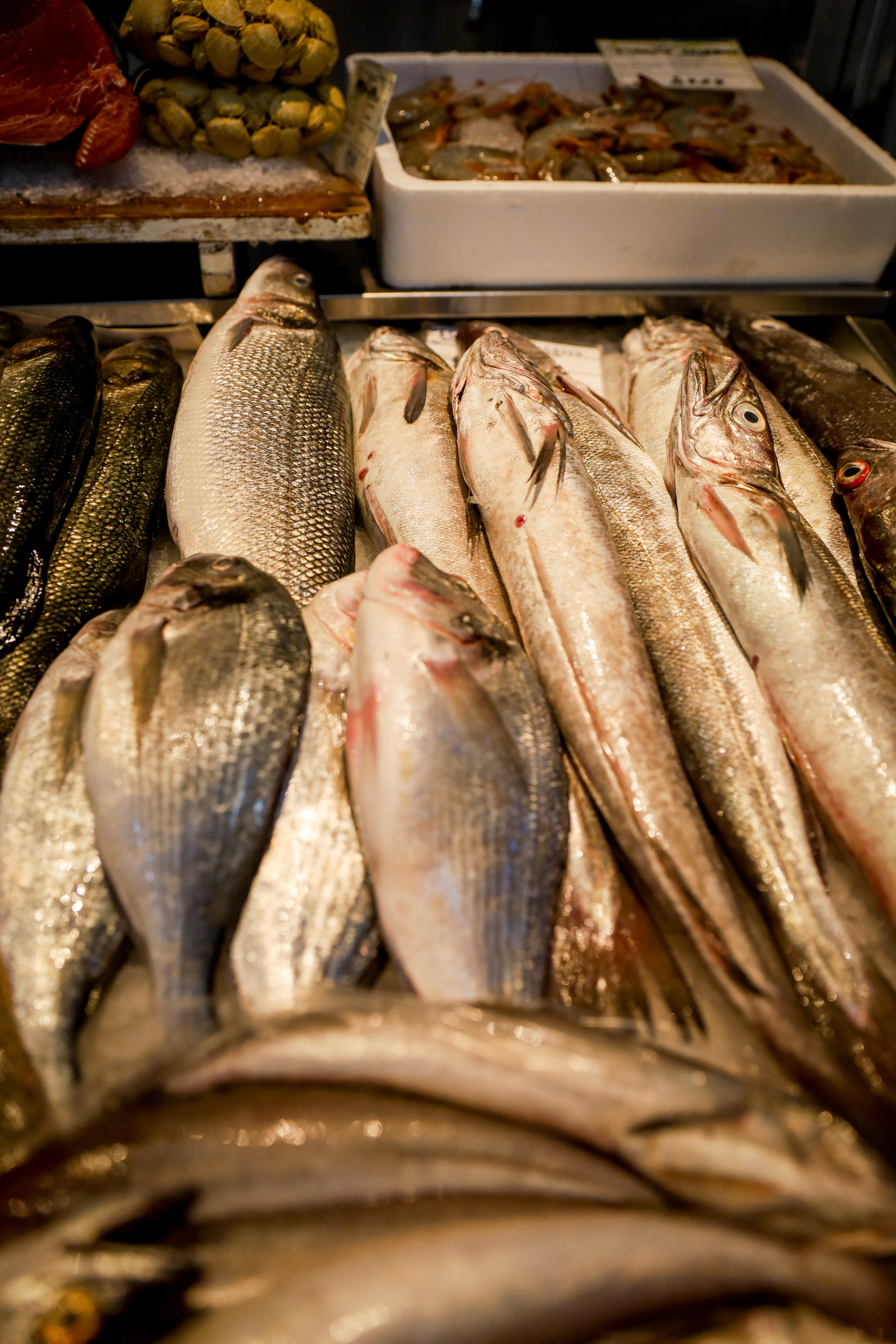
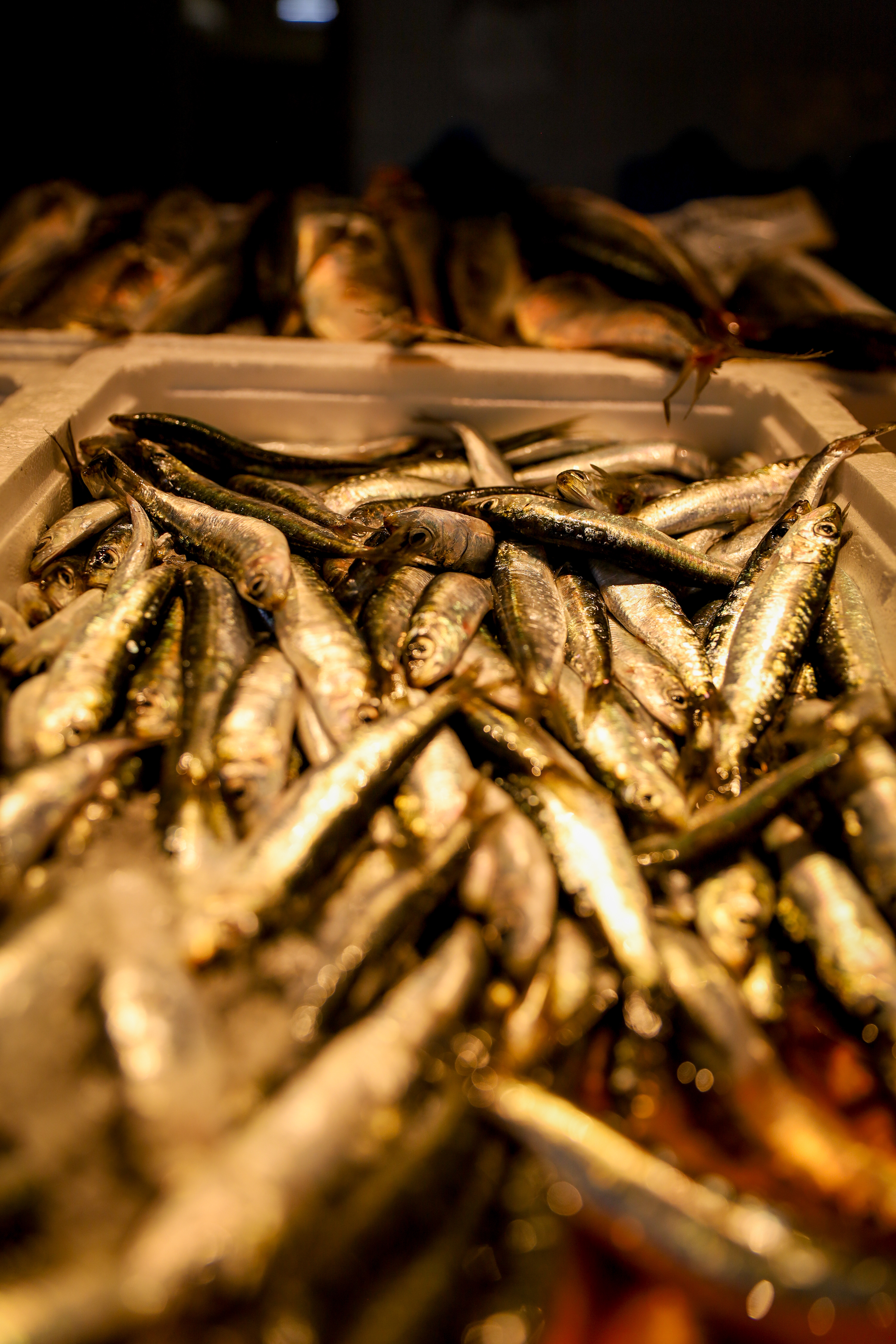
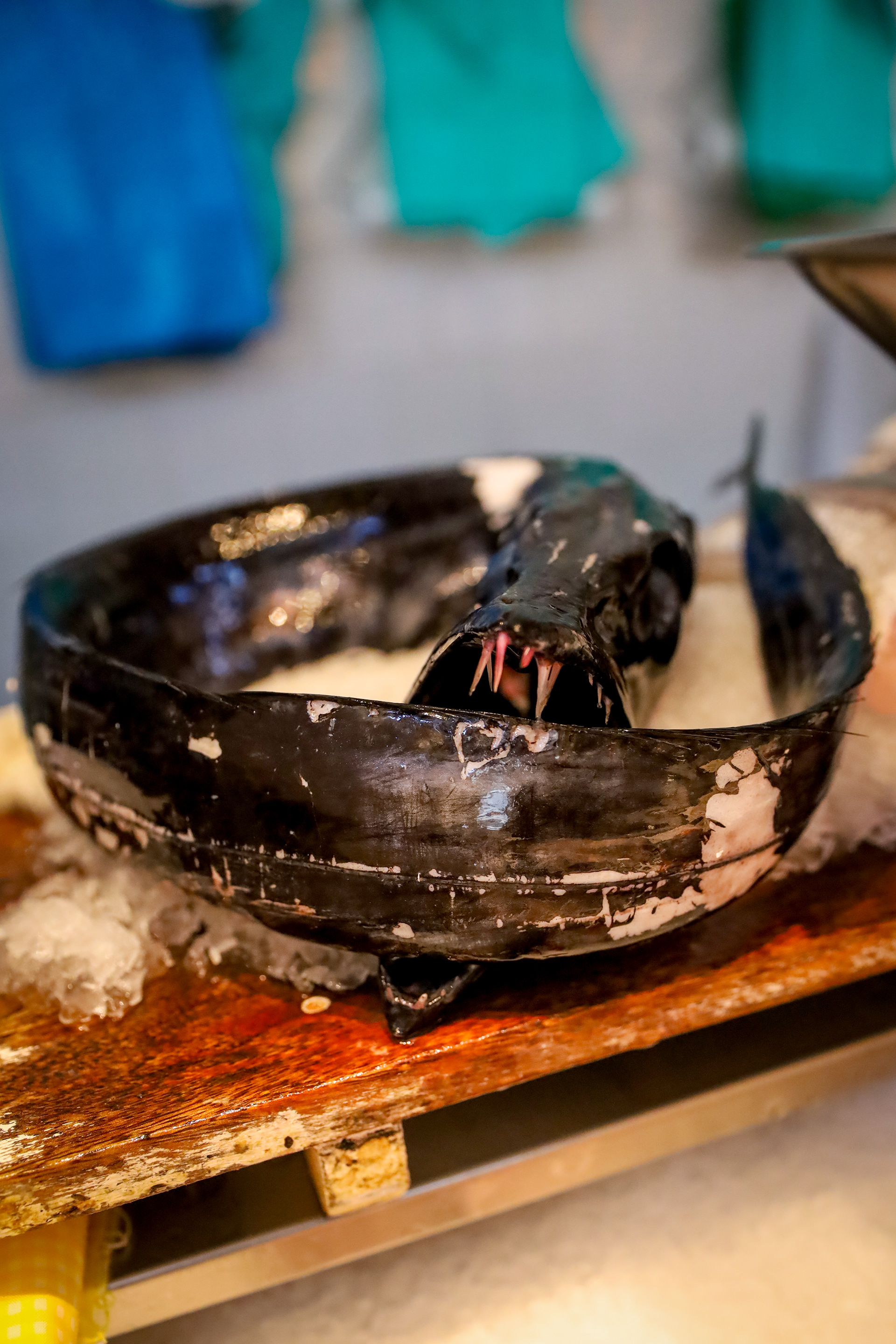
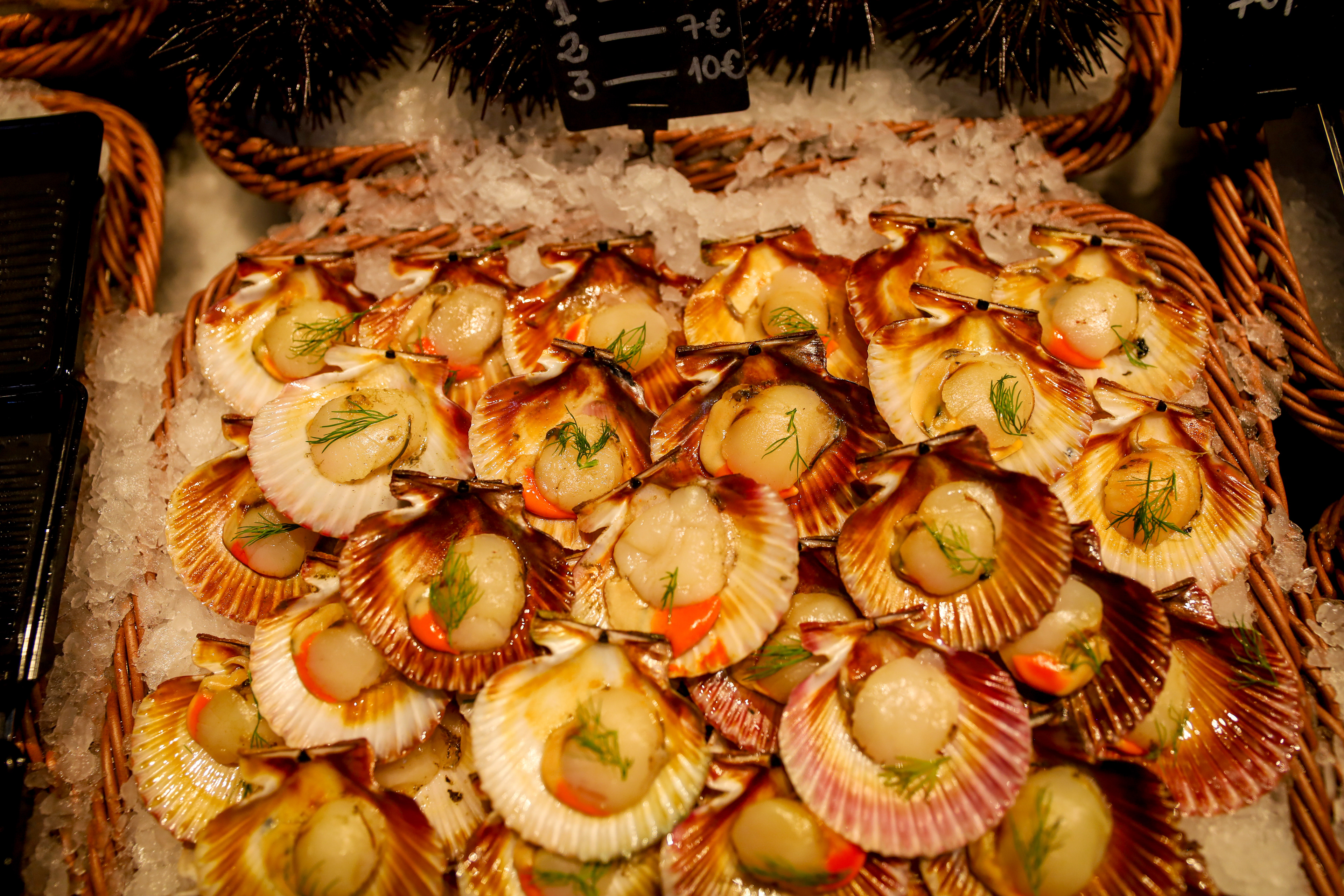
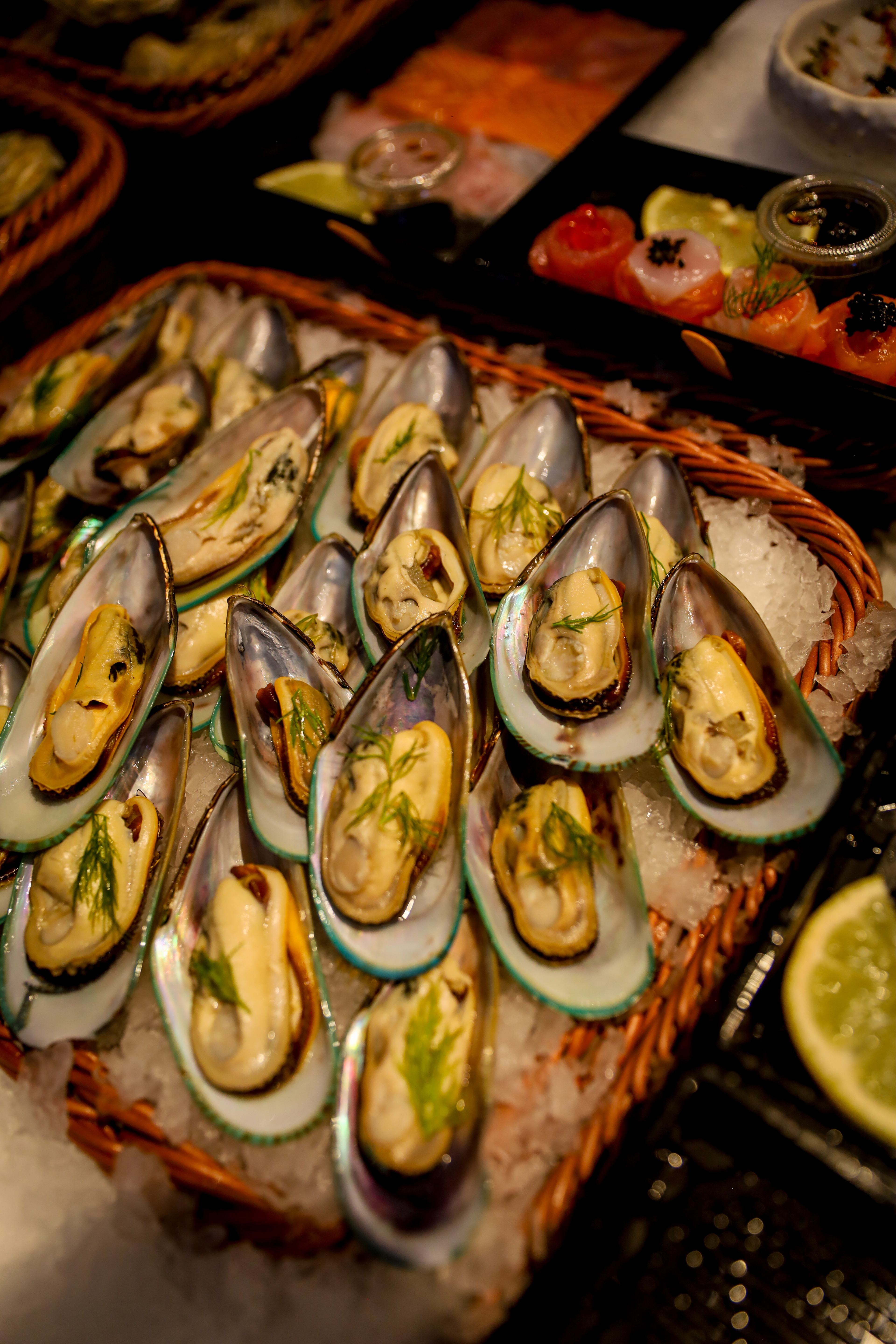
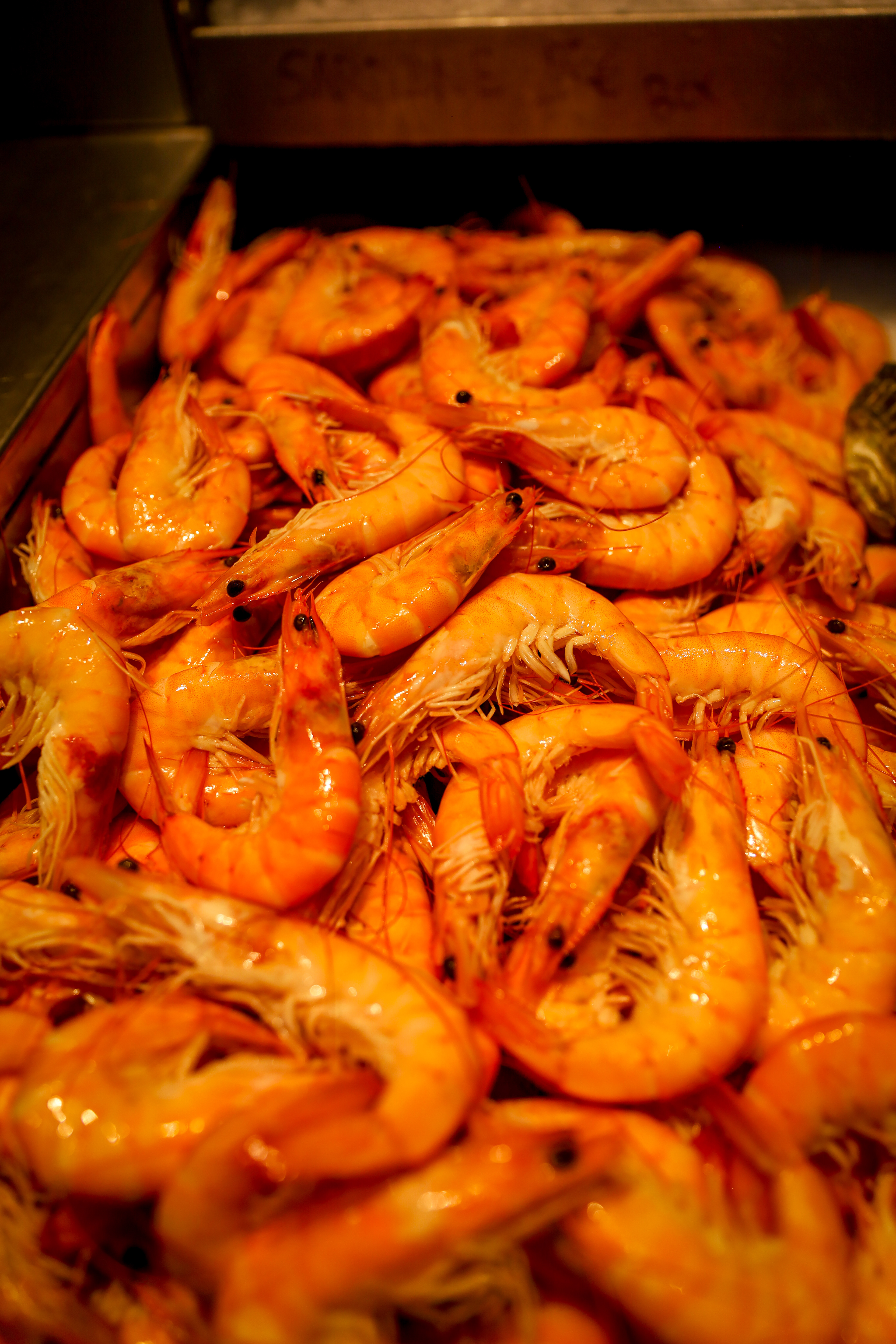
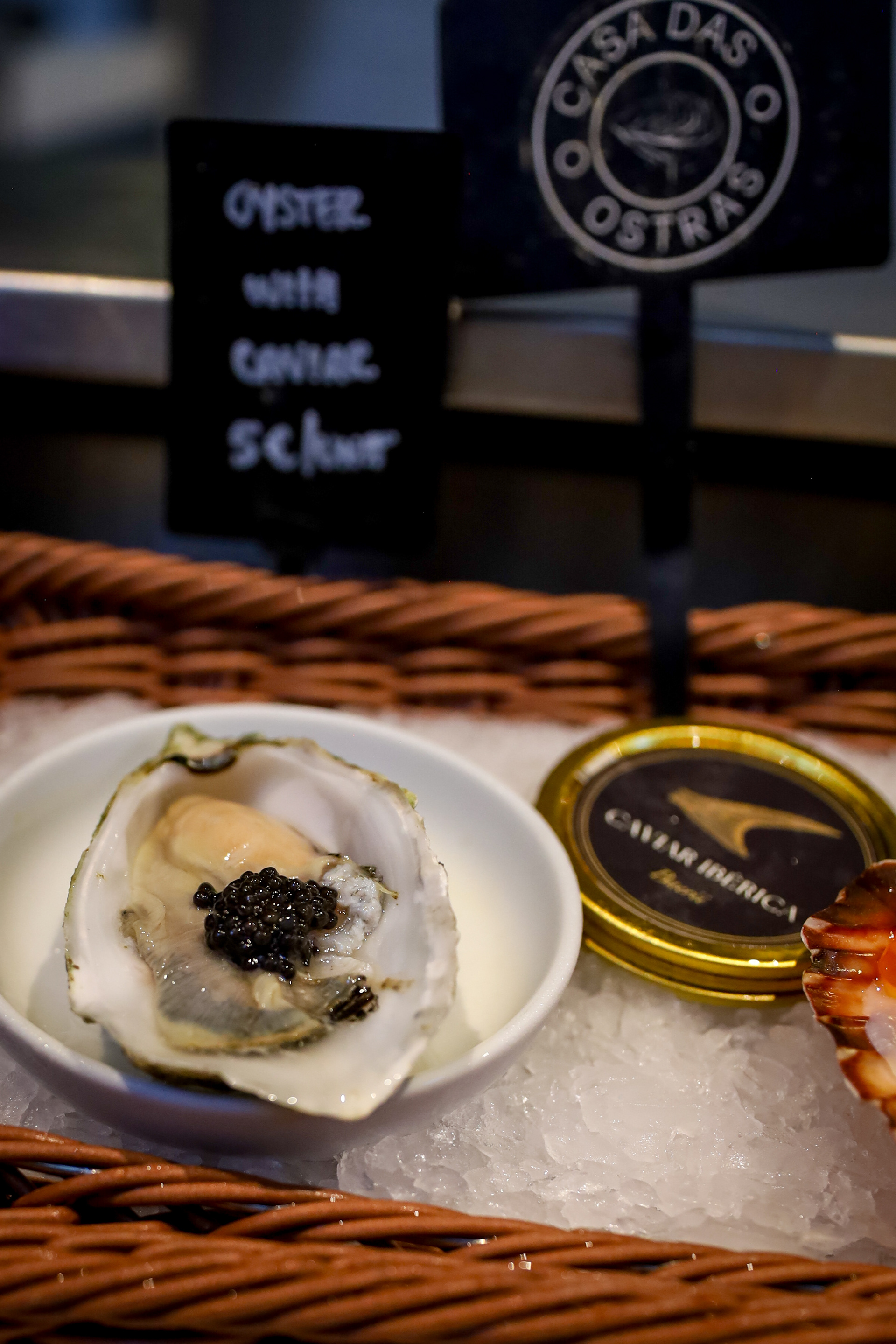
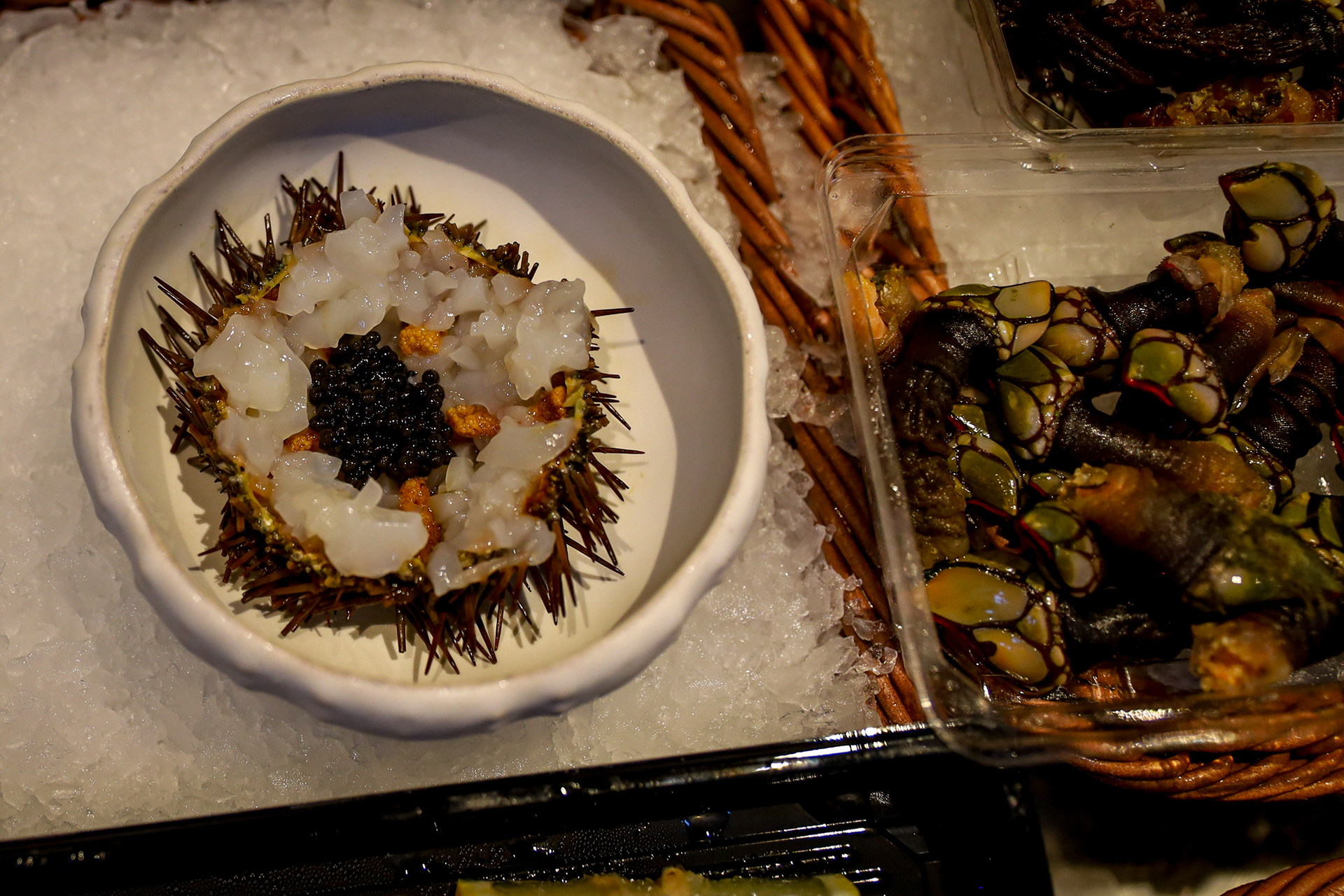
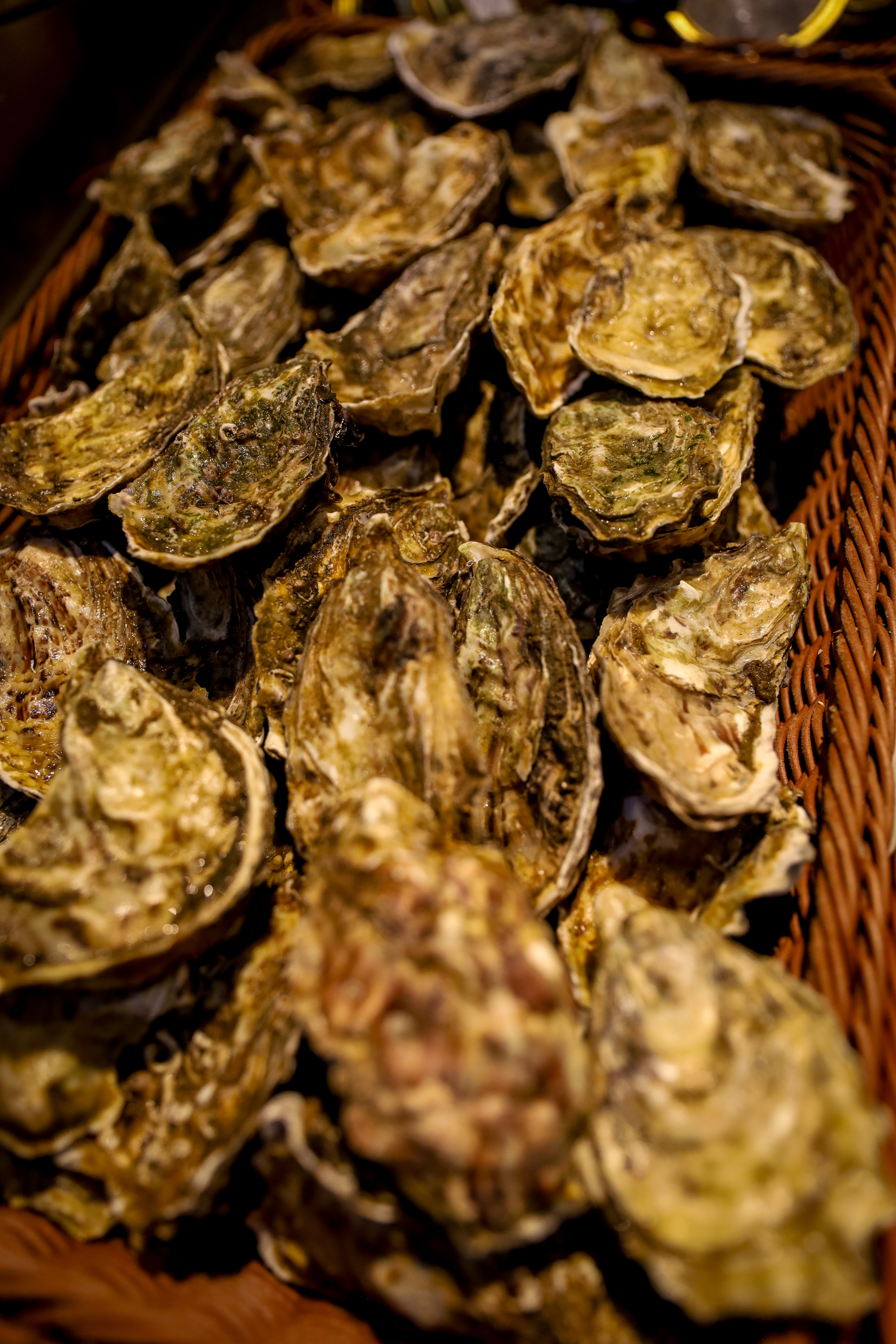
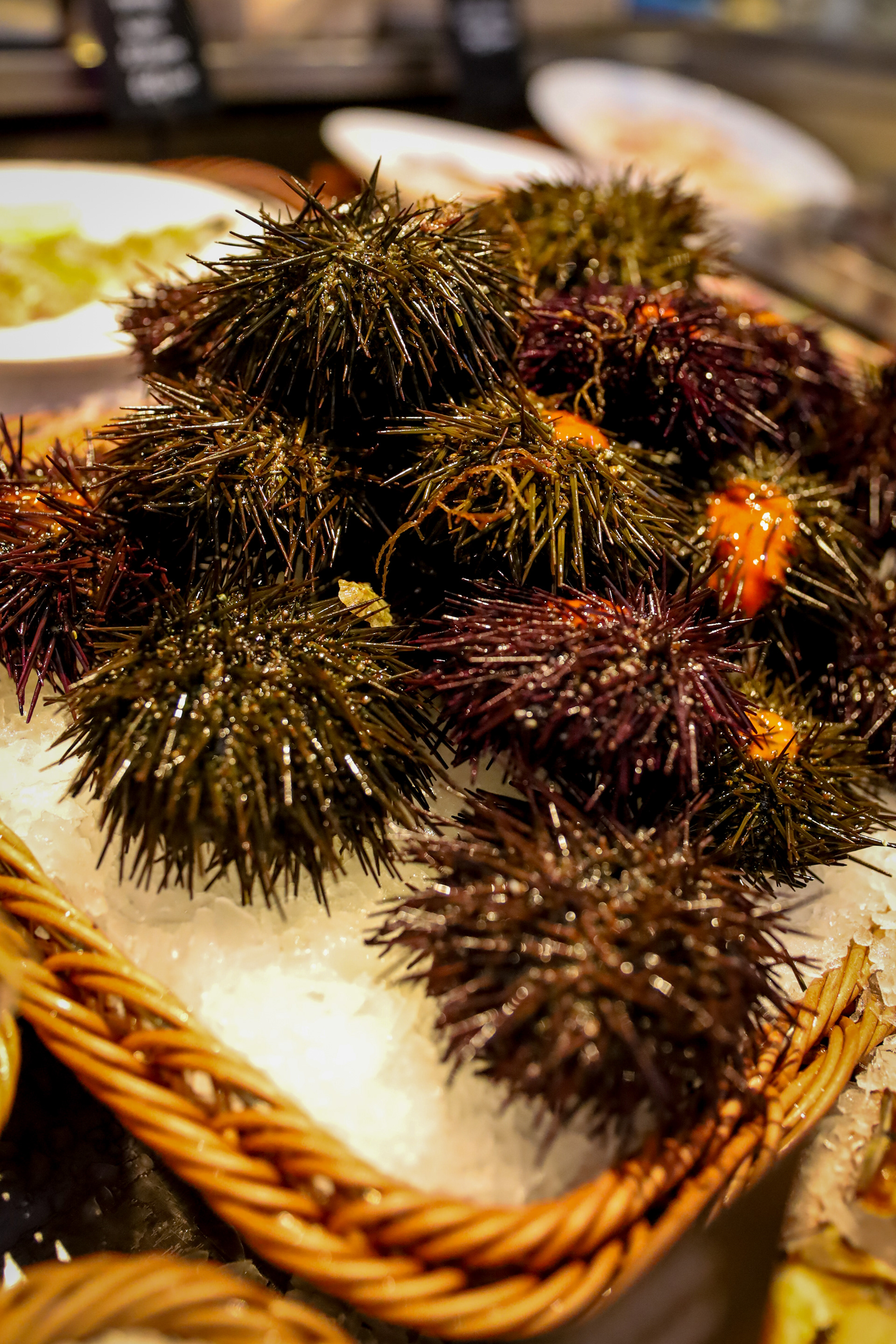
Mercado de Algés in Porto 2025
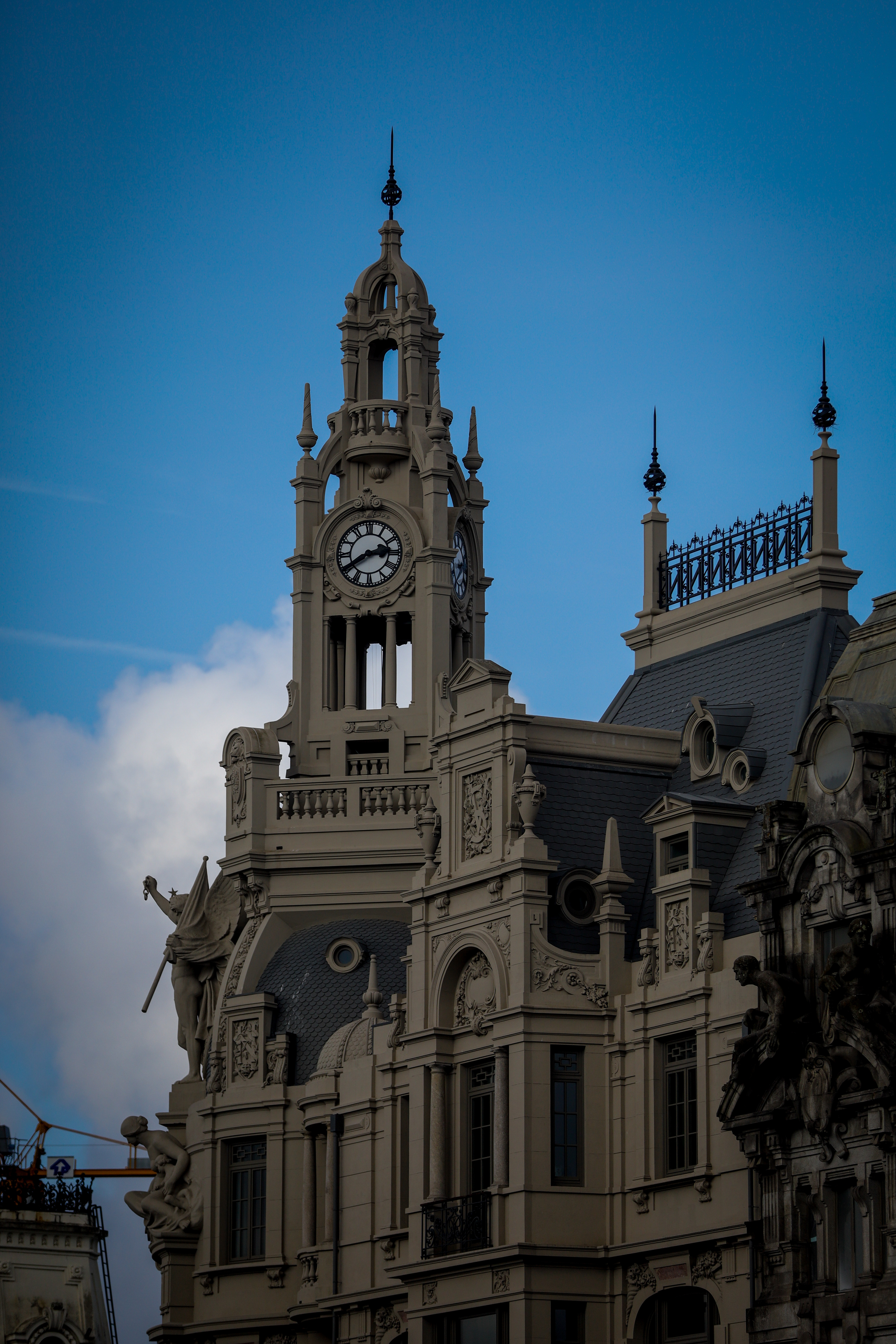
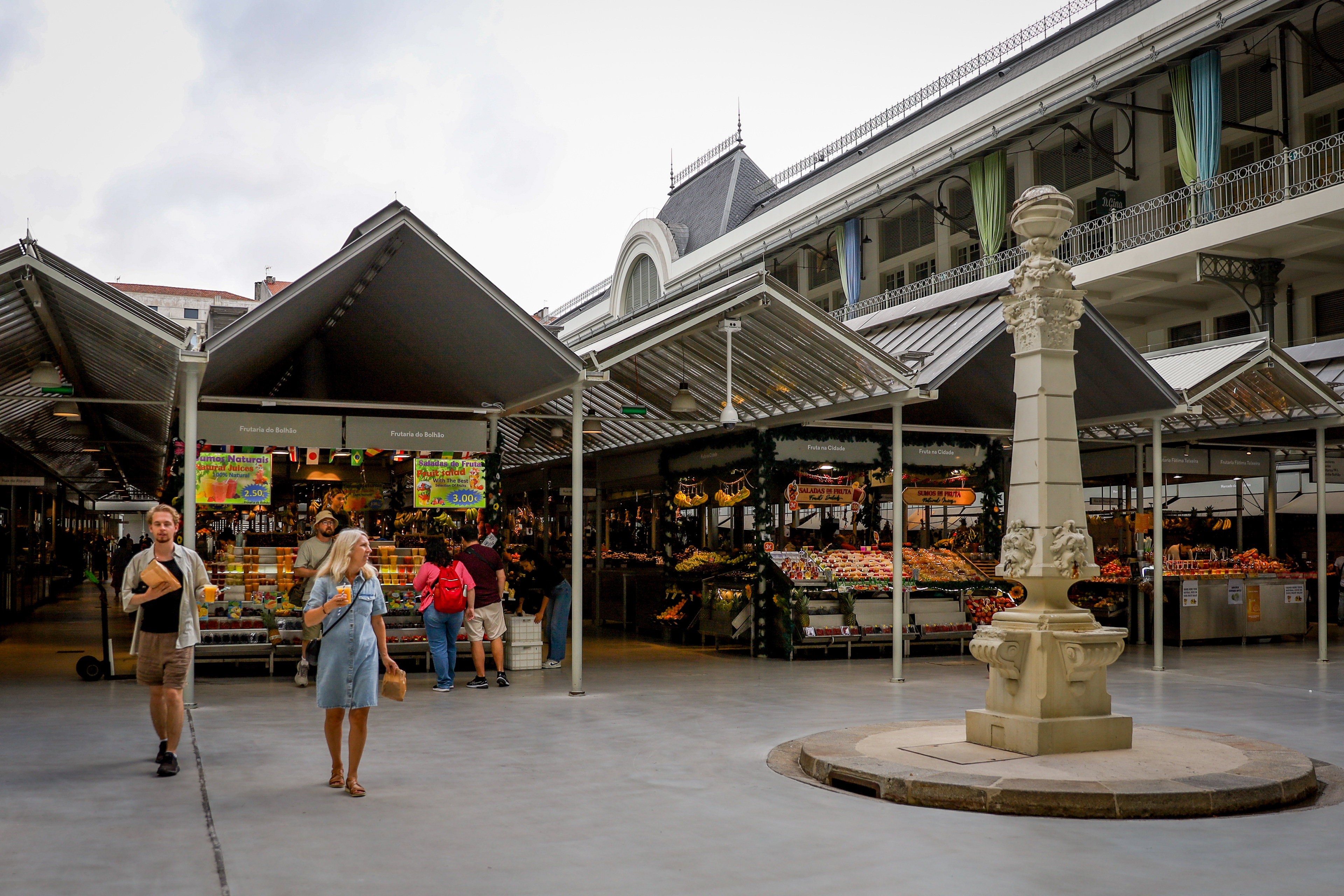
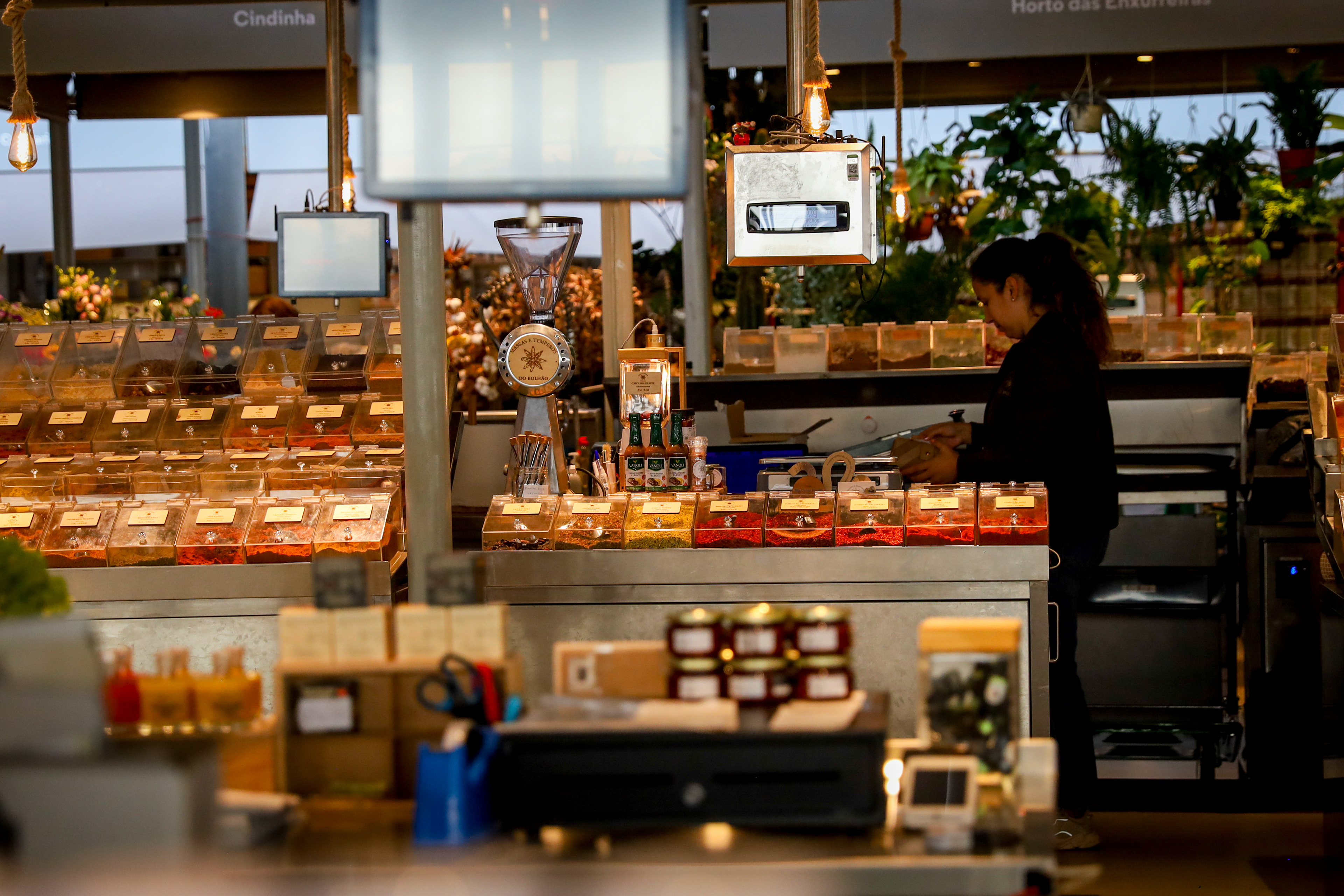
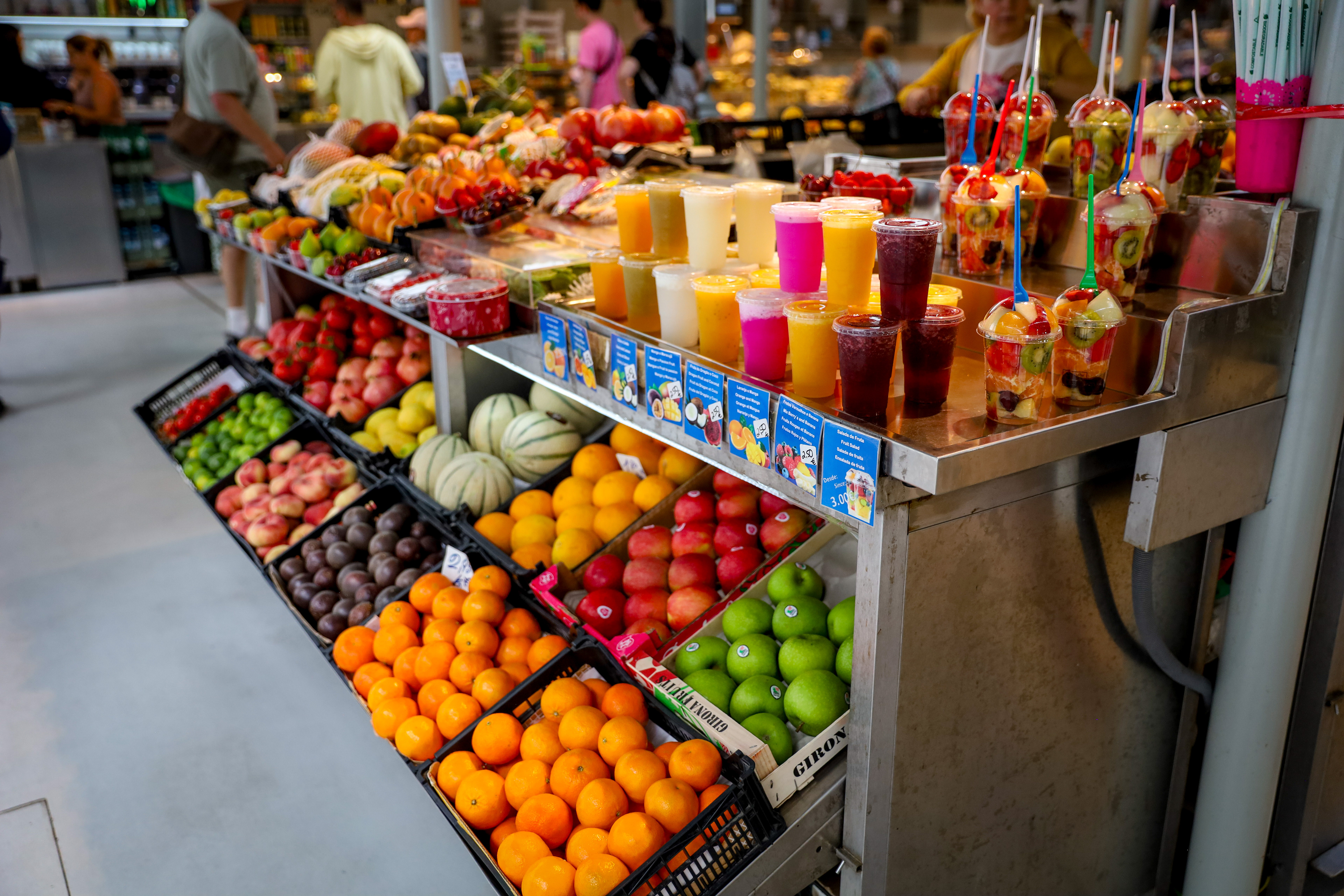
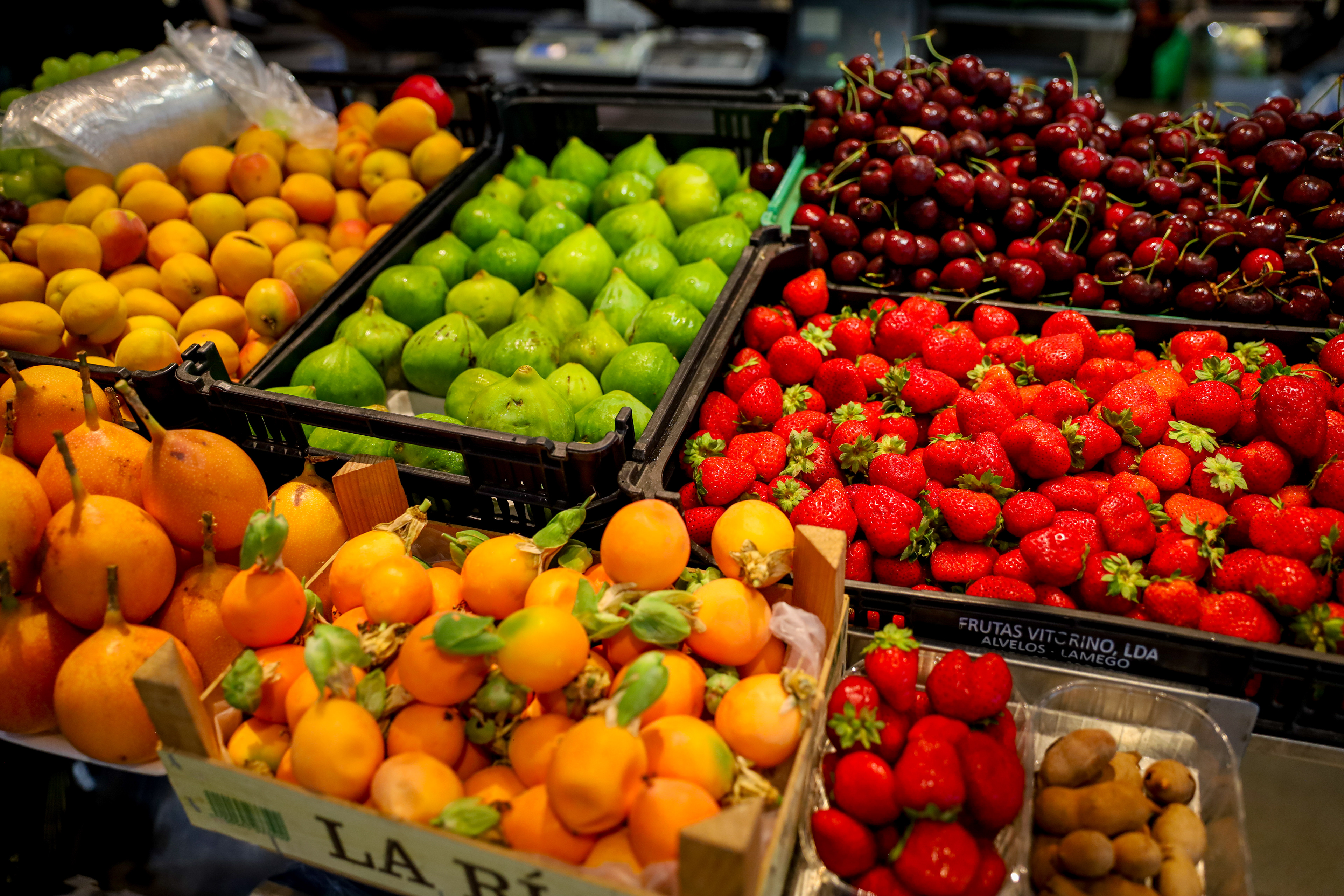
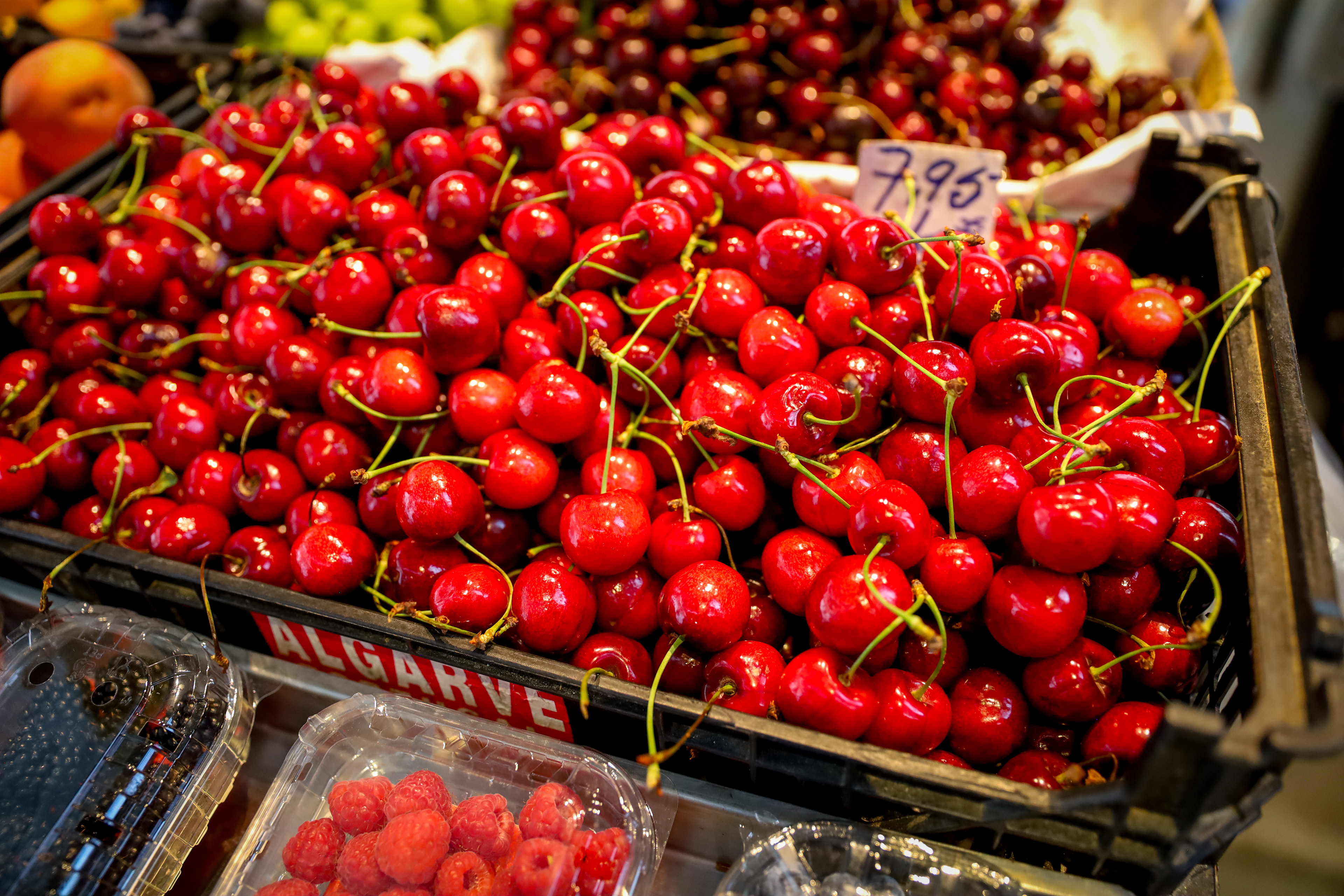
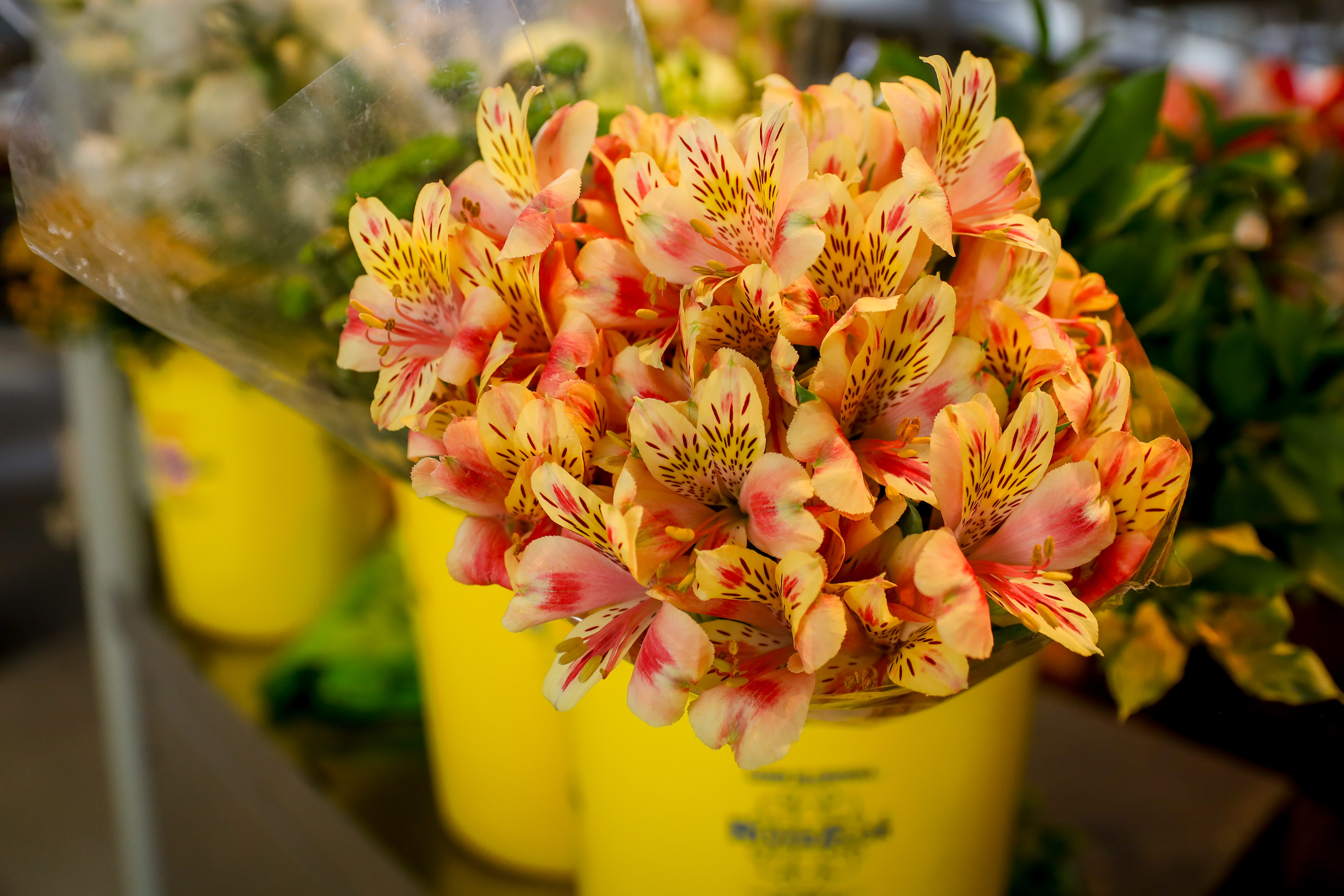
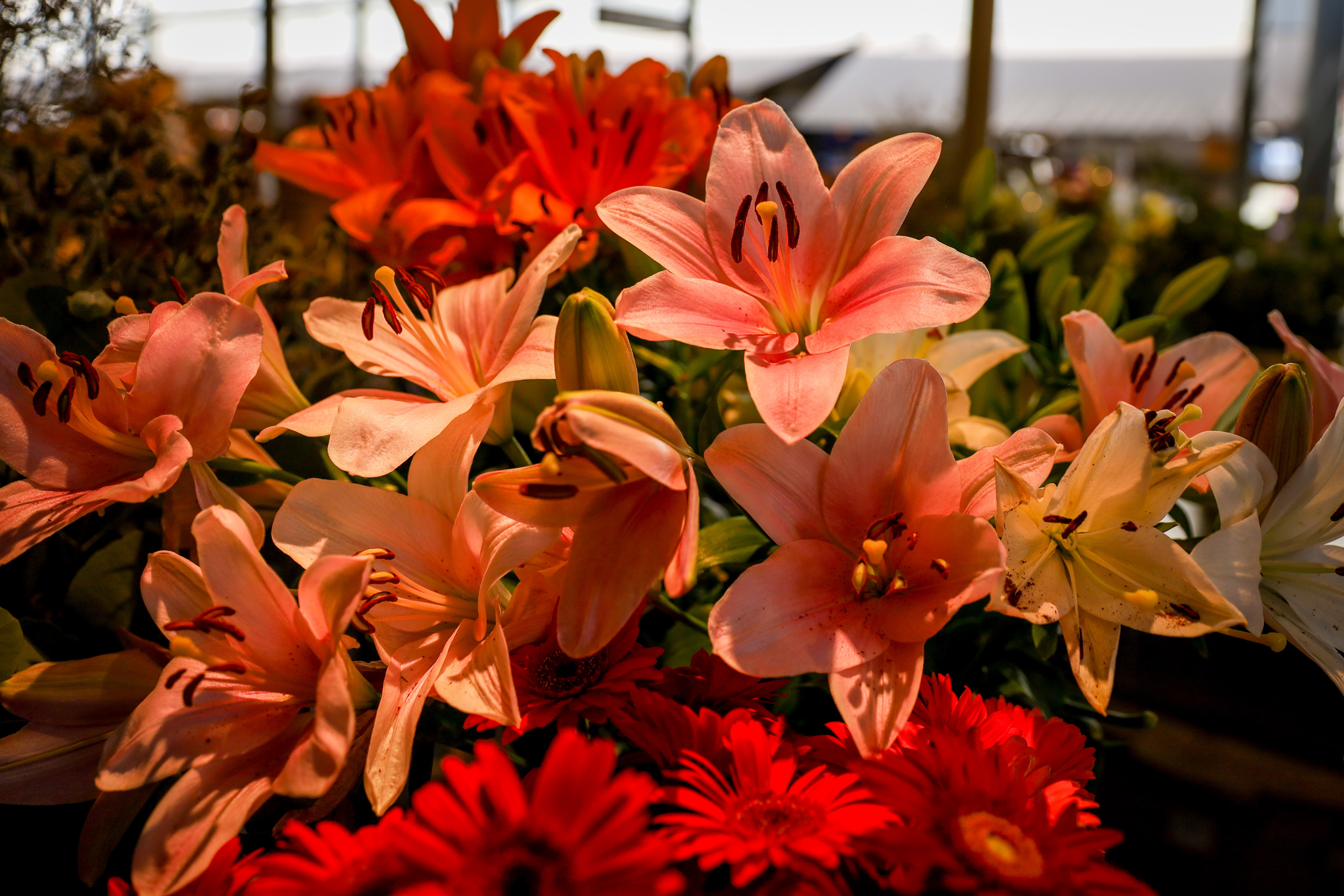
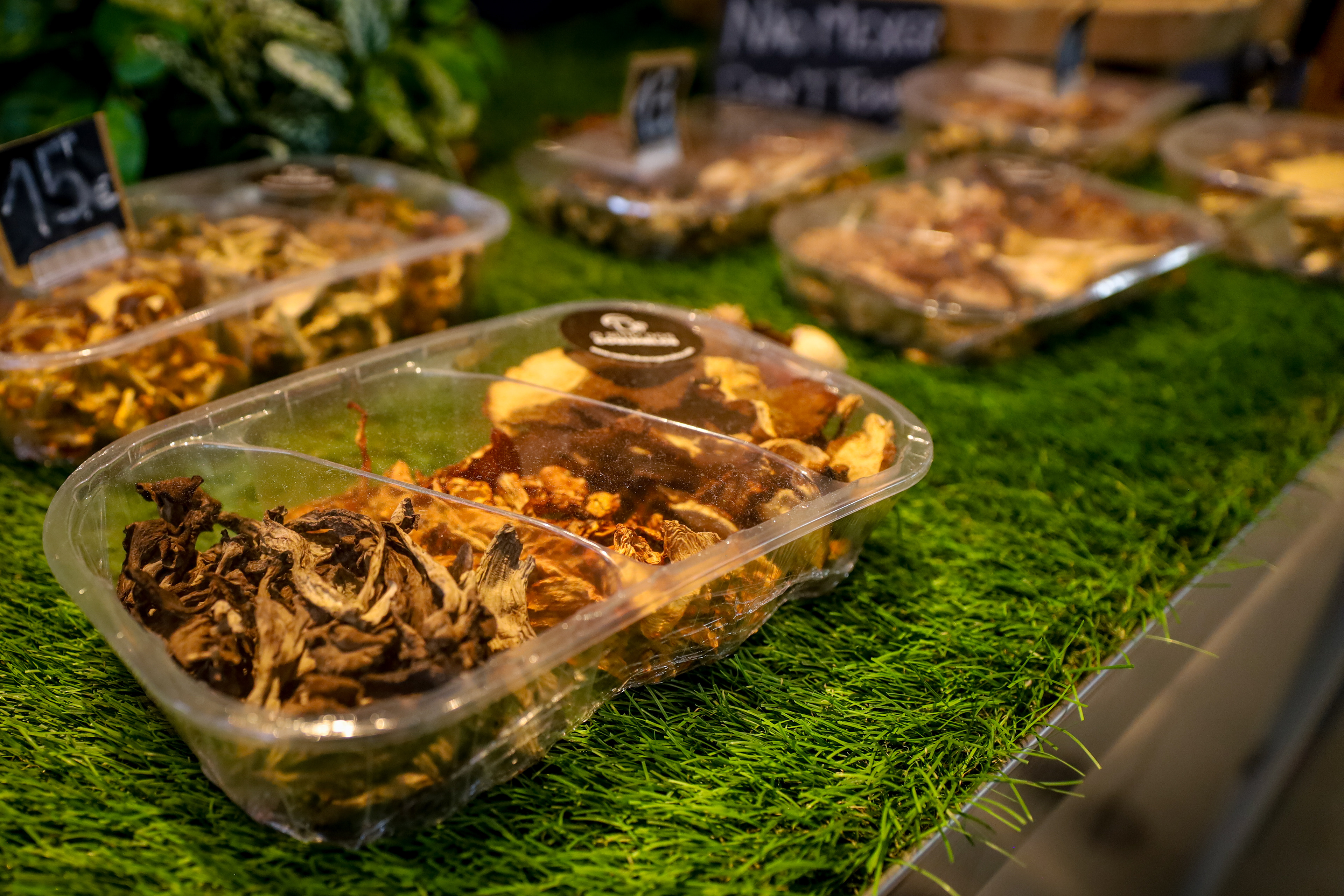
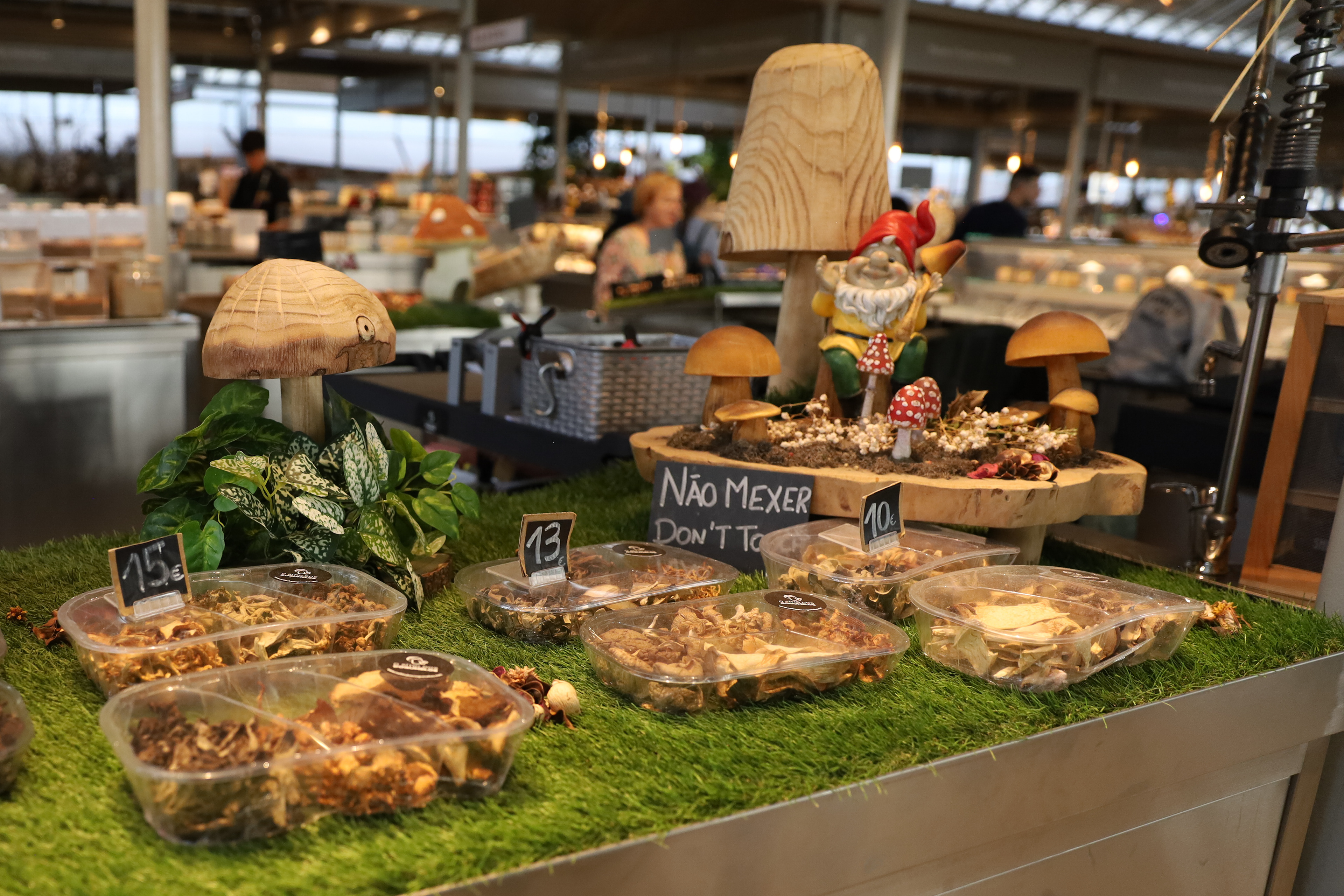
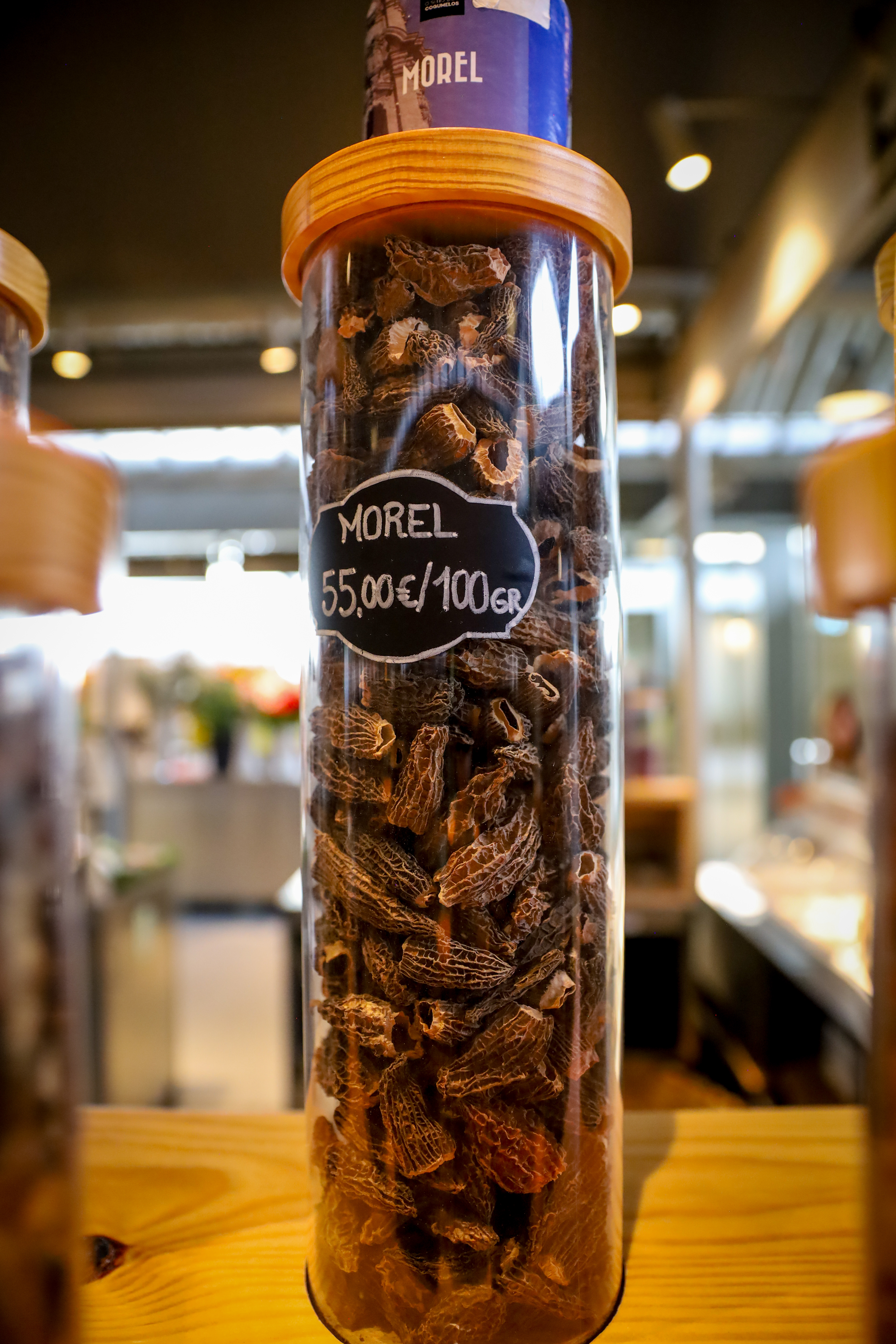
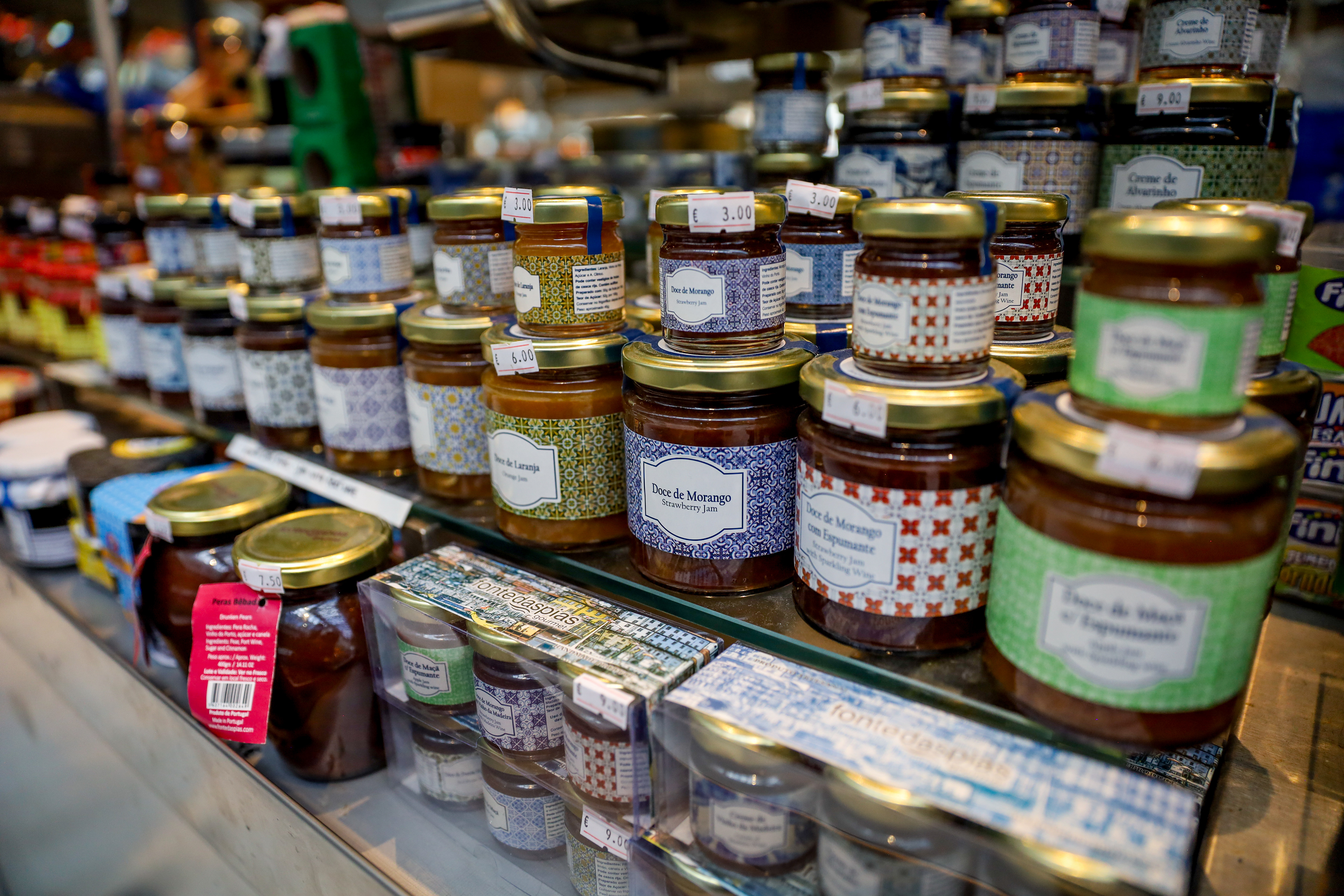
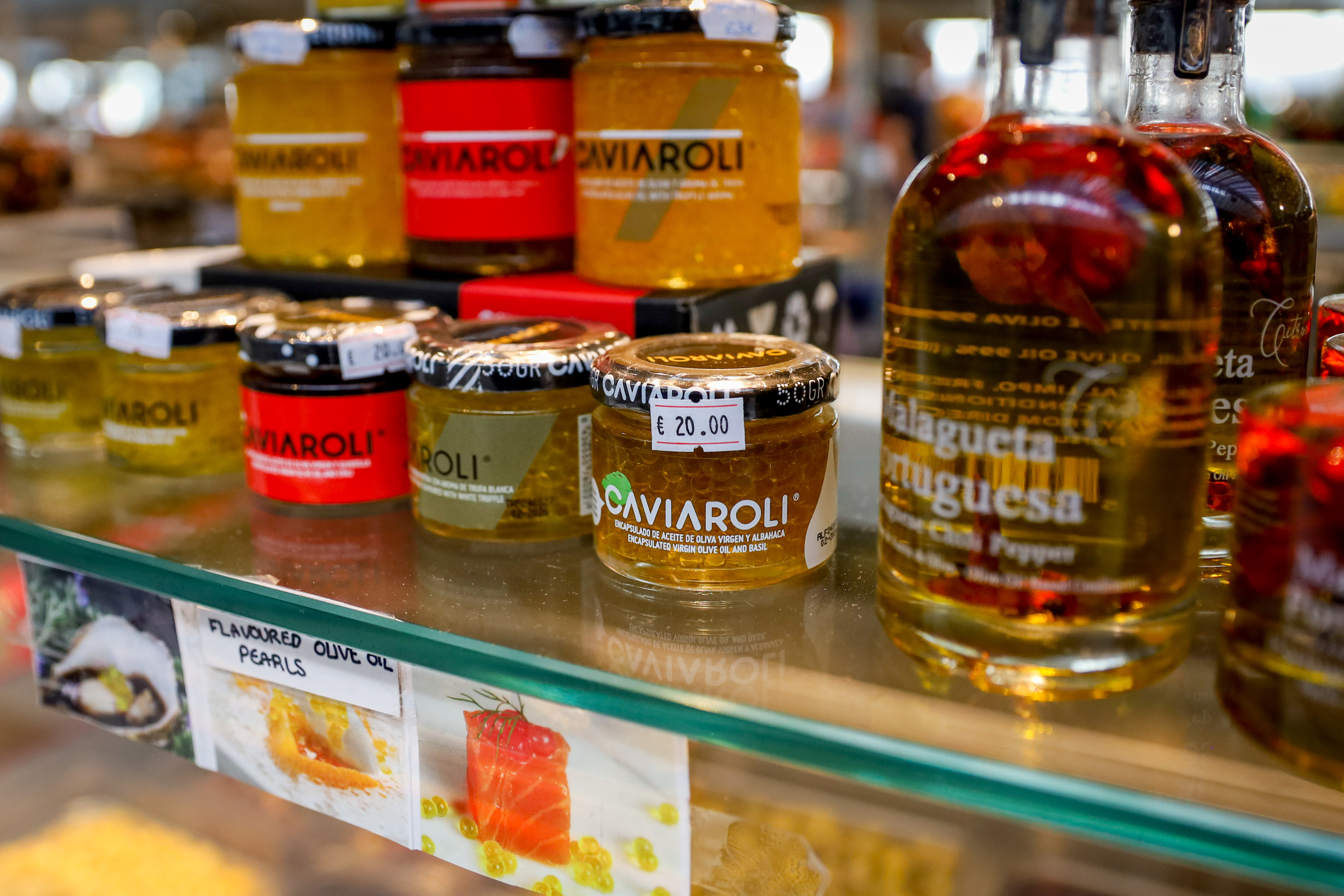
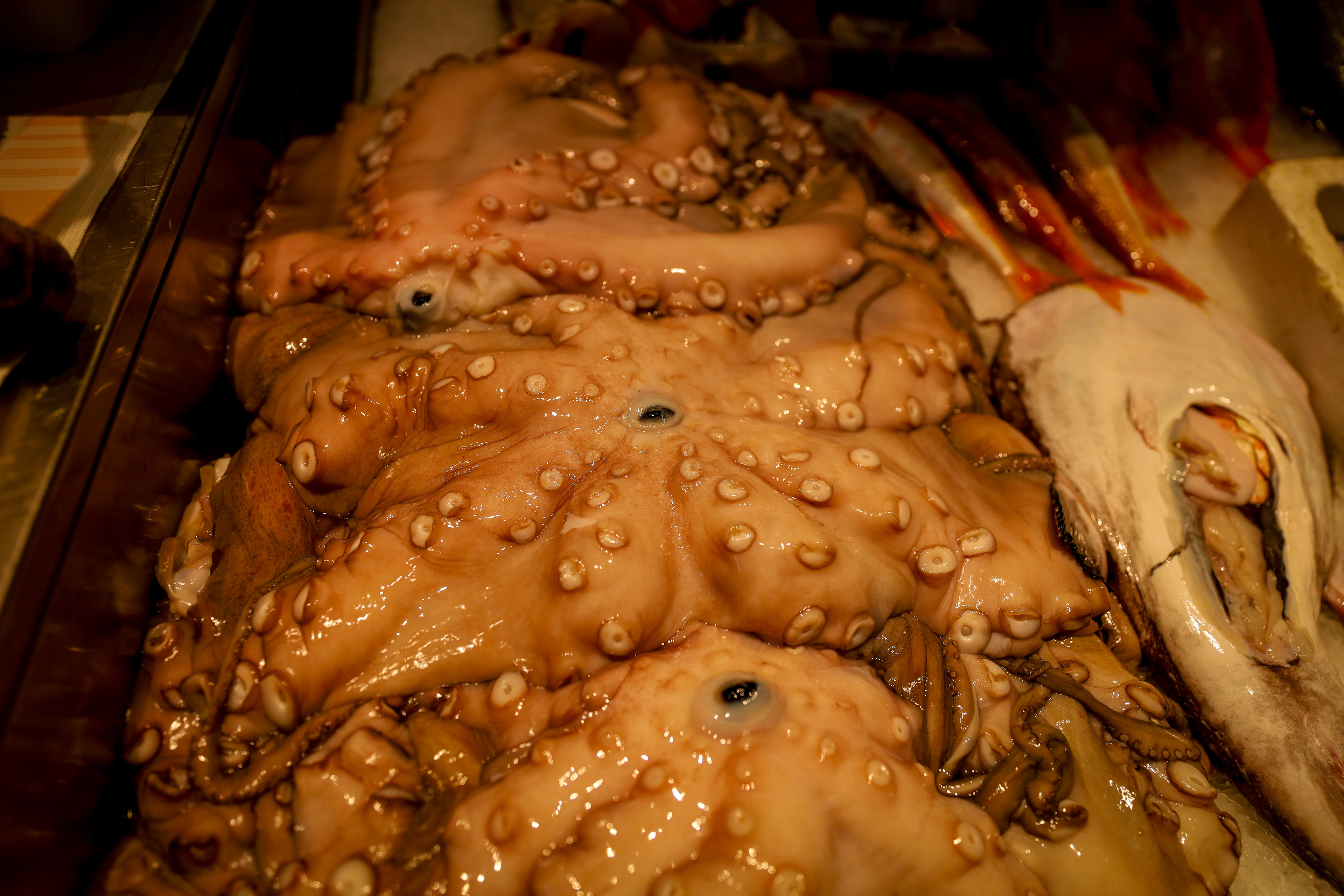
Markets write their own beat.
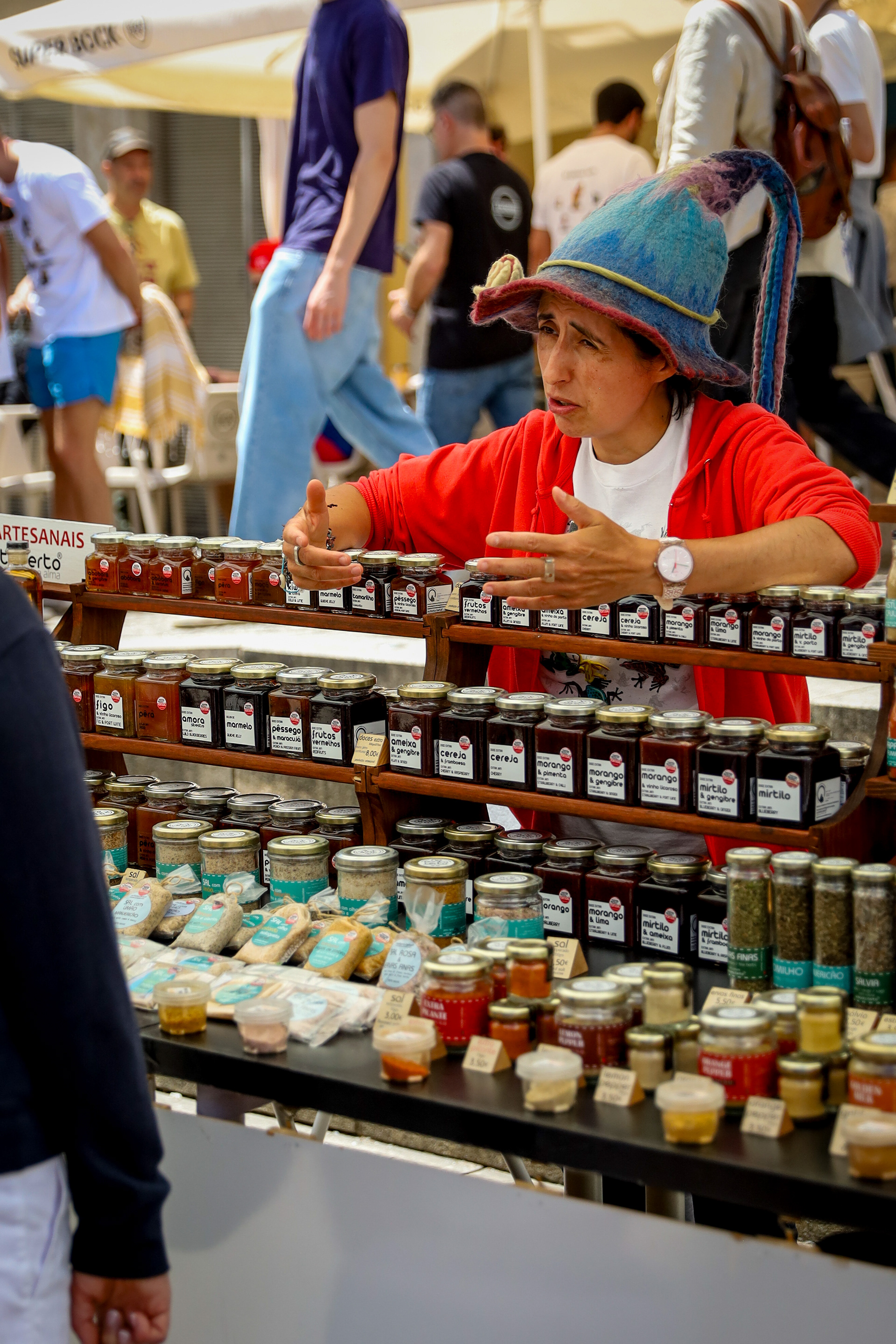
Knives on fish, cups on saucers, quick greetings between vendors. I worked at eye level and waited for the noise to turn into a pattern.
That’s when a market becomes a story.
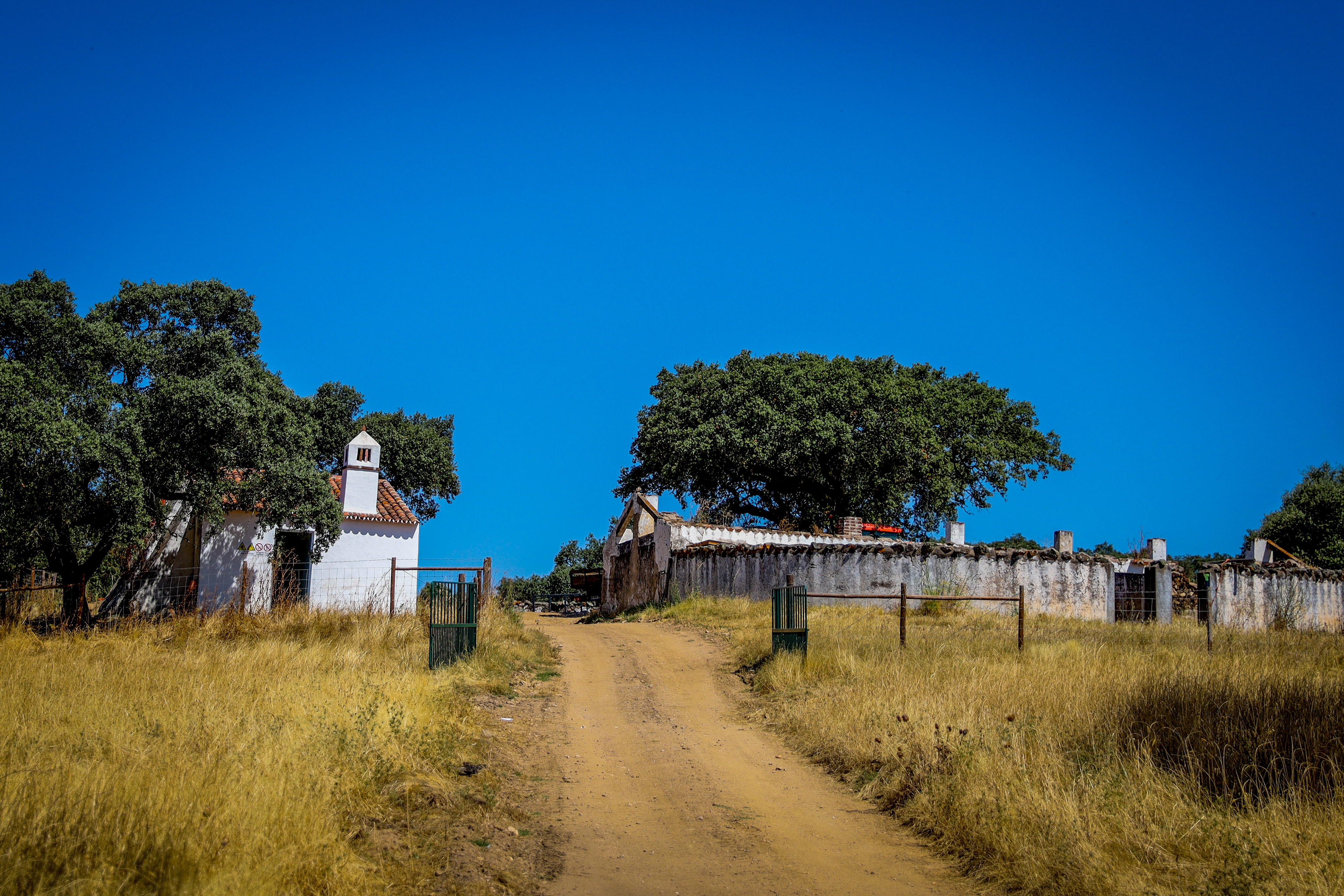
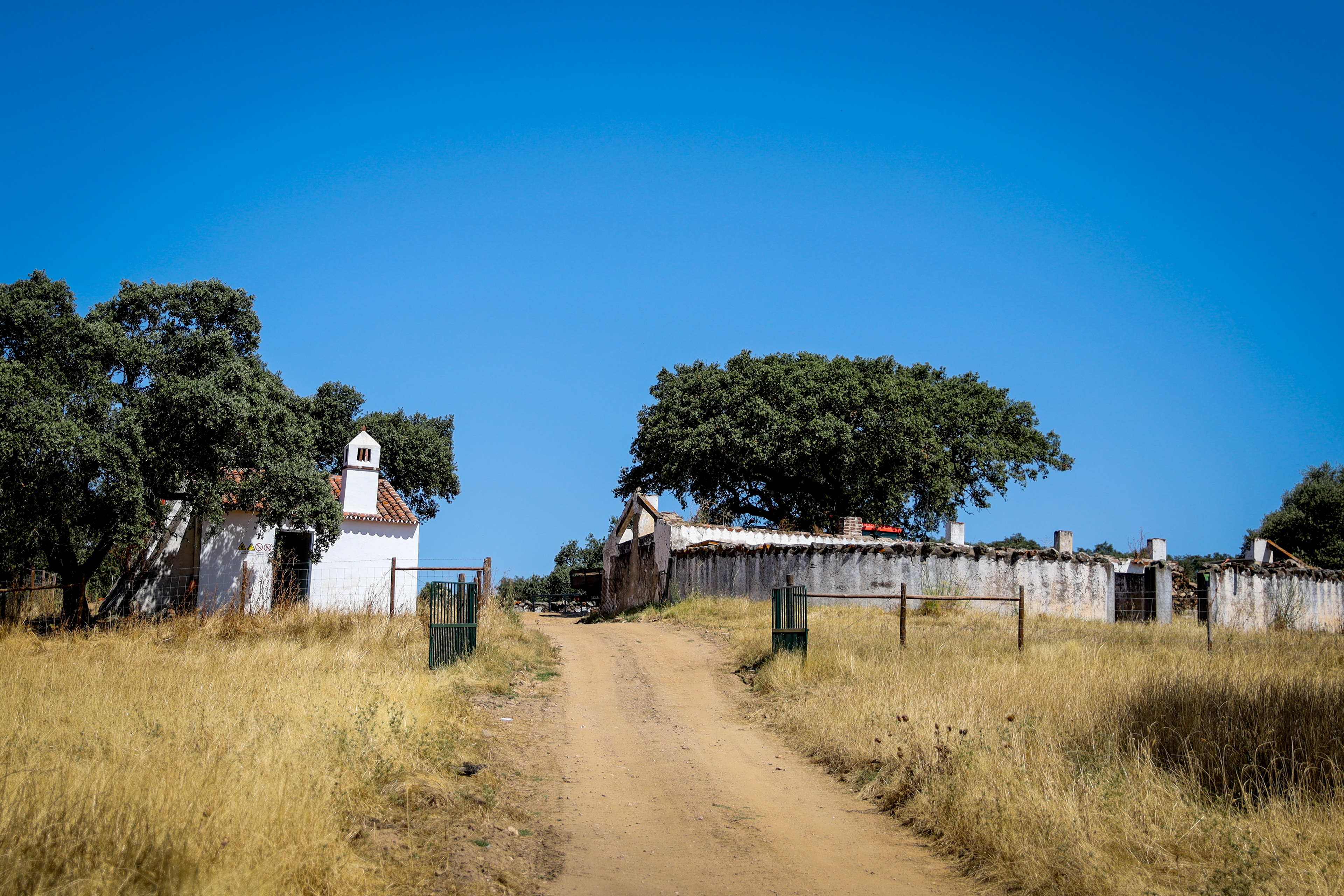
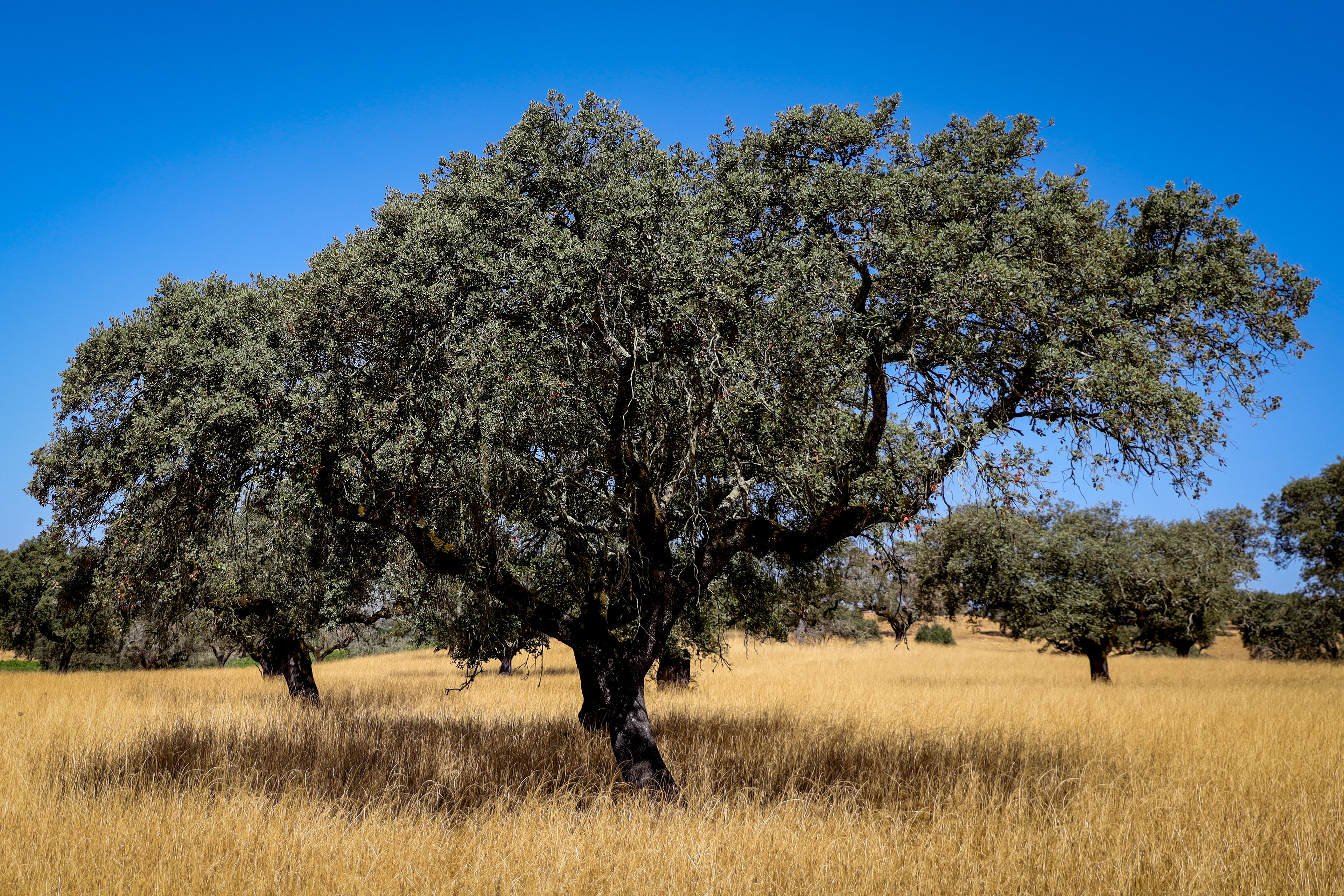
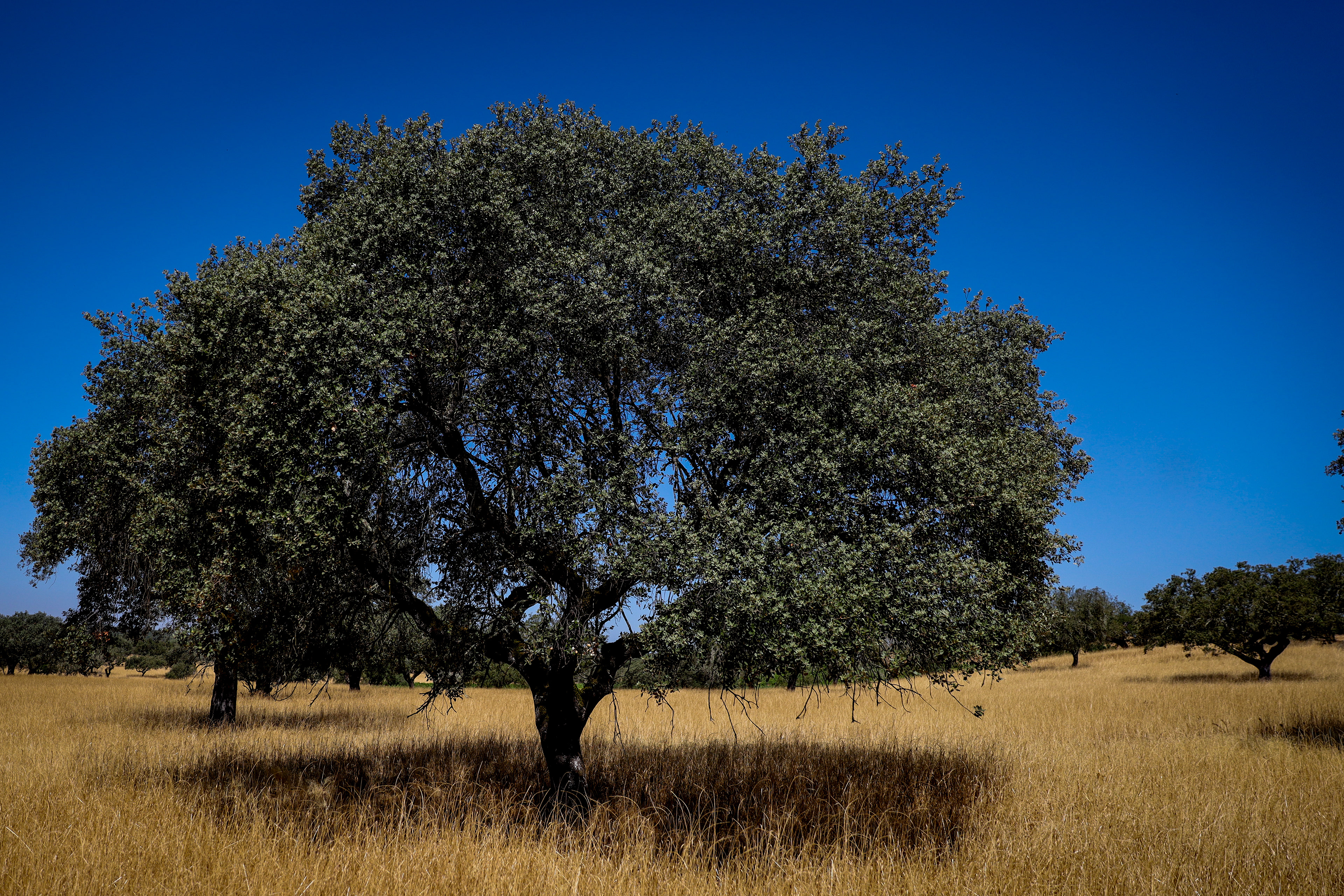
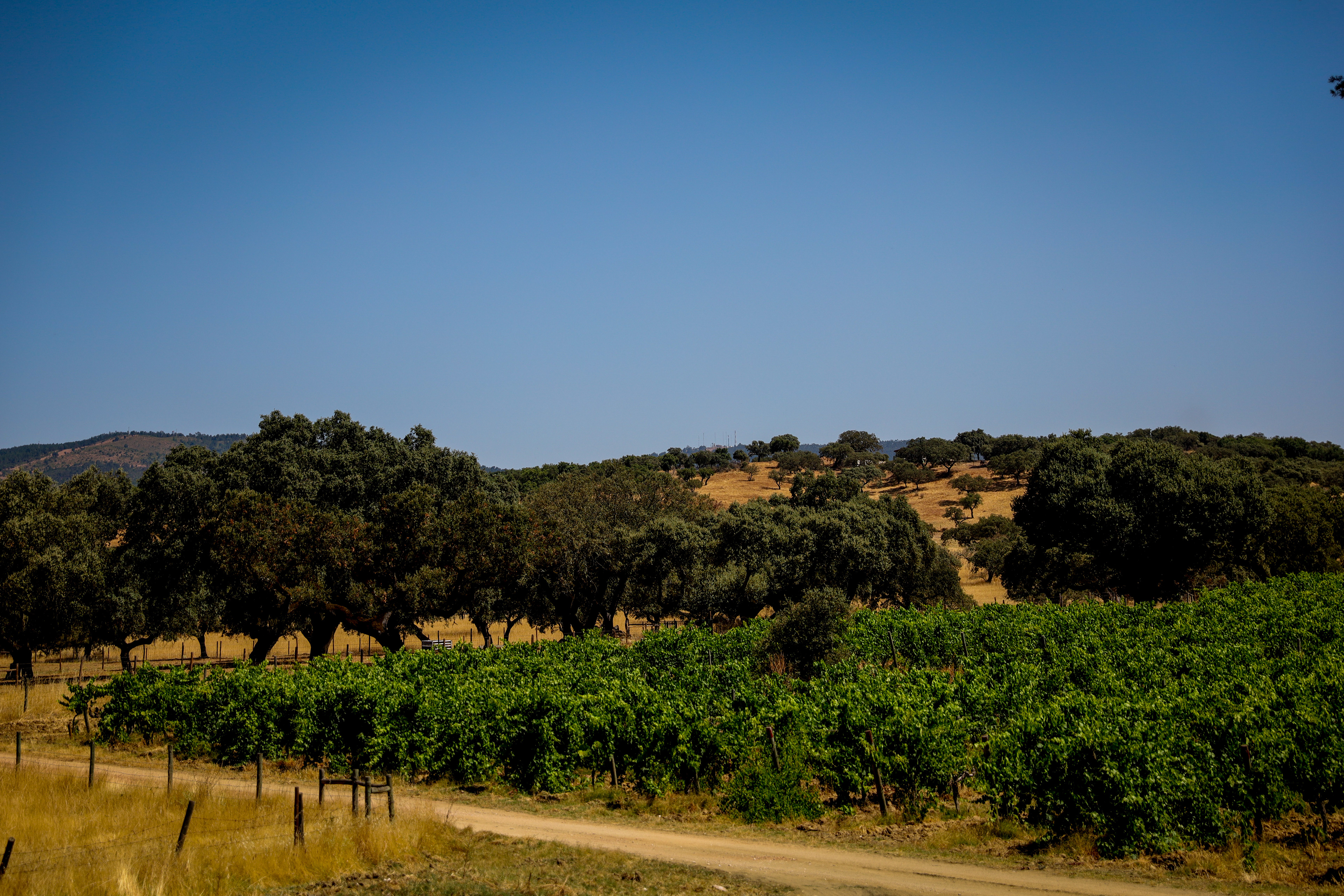
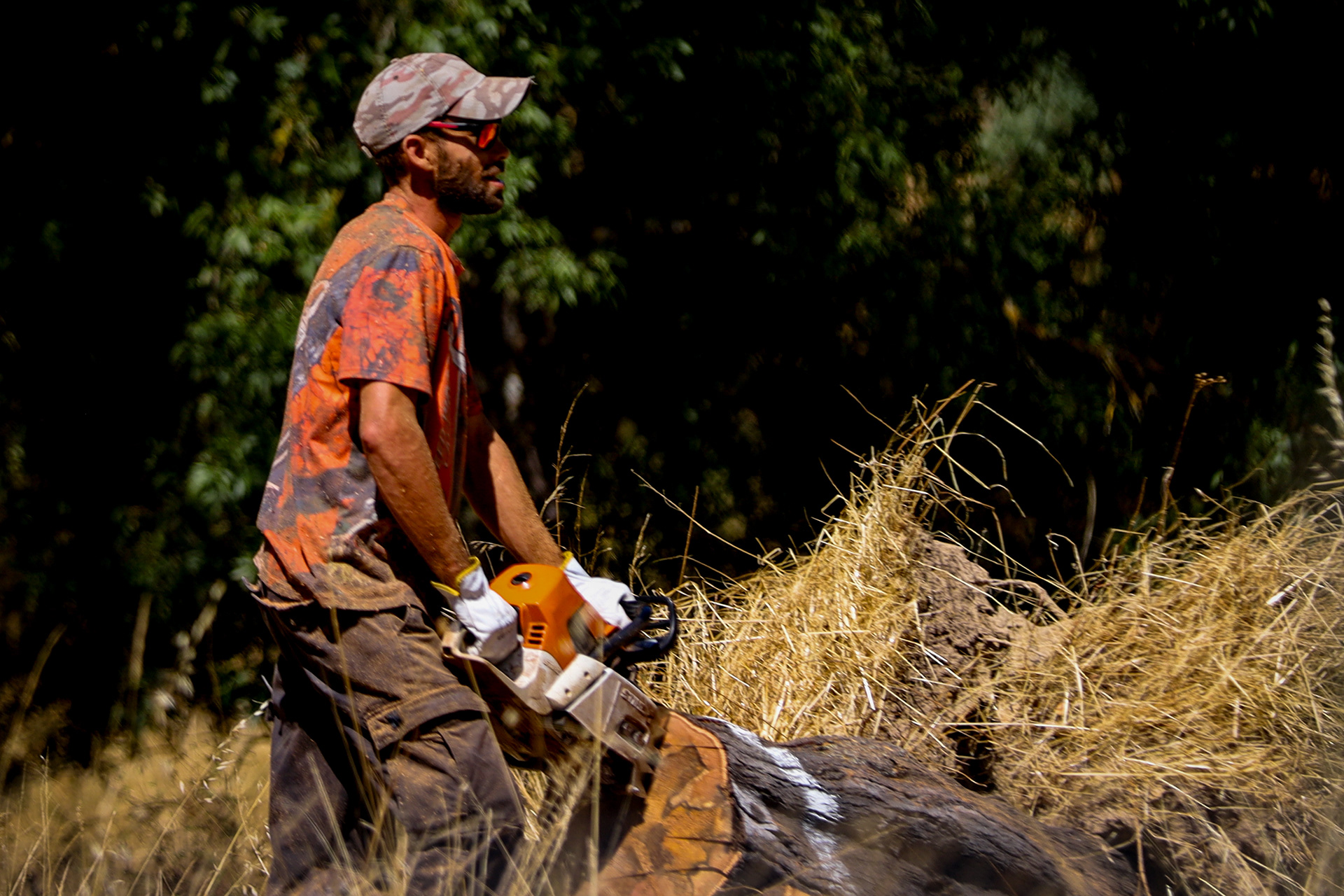
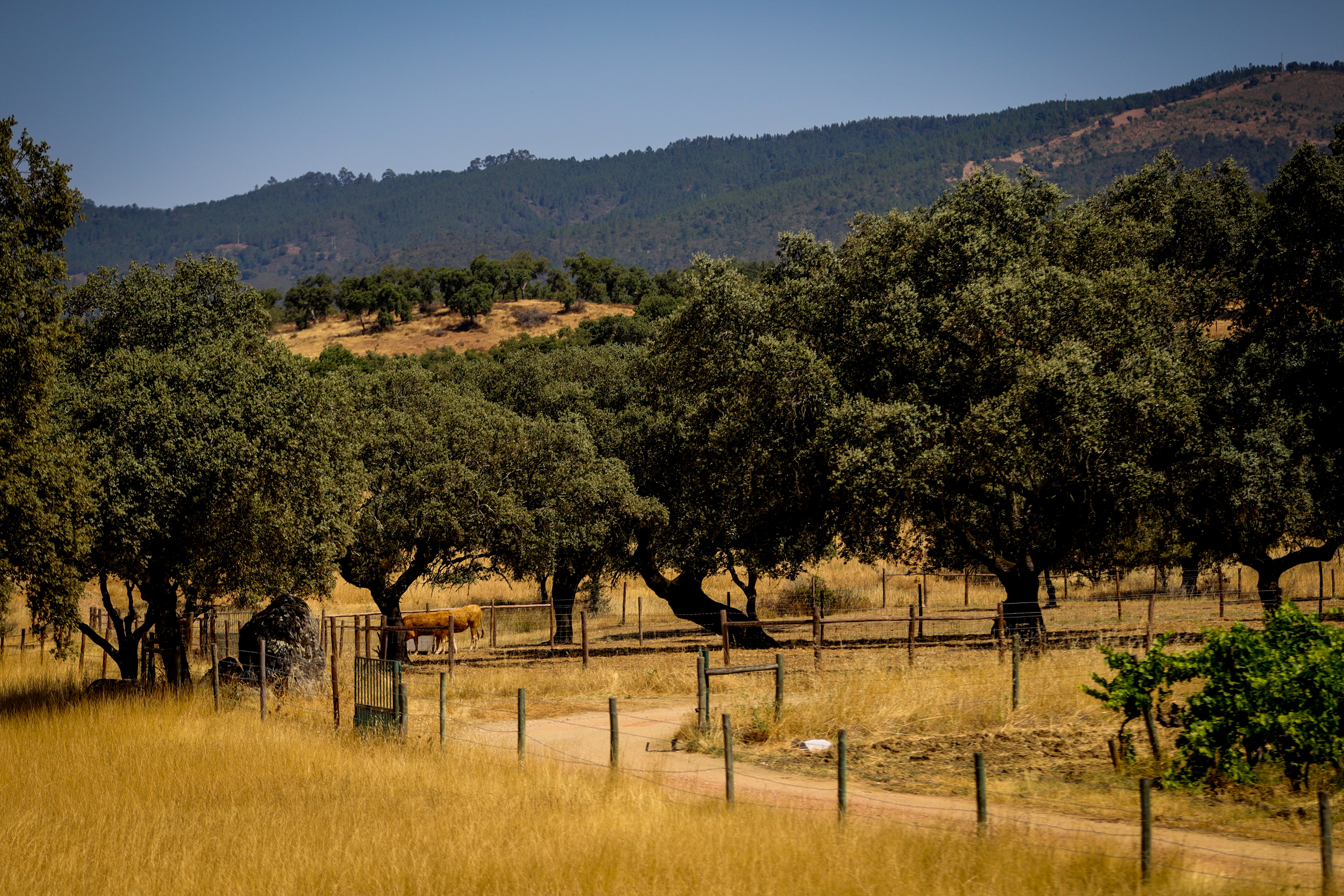
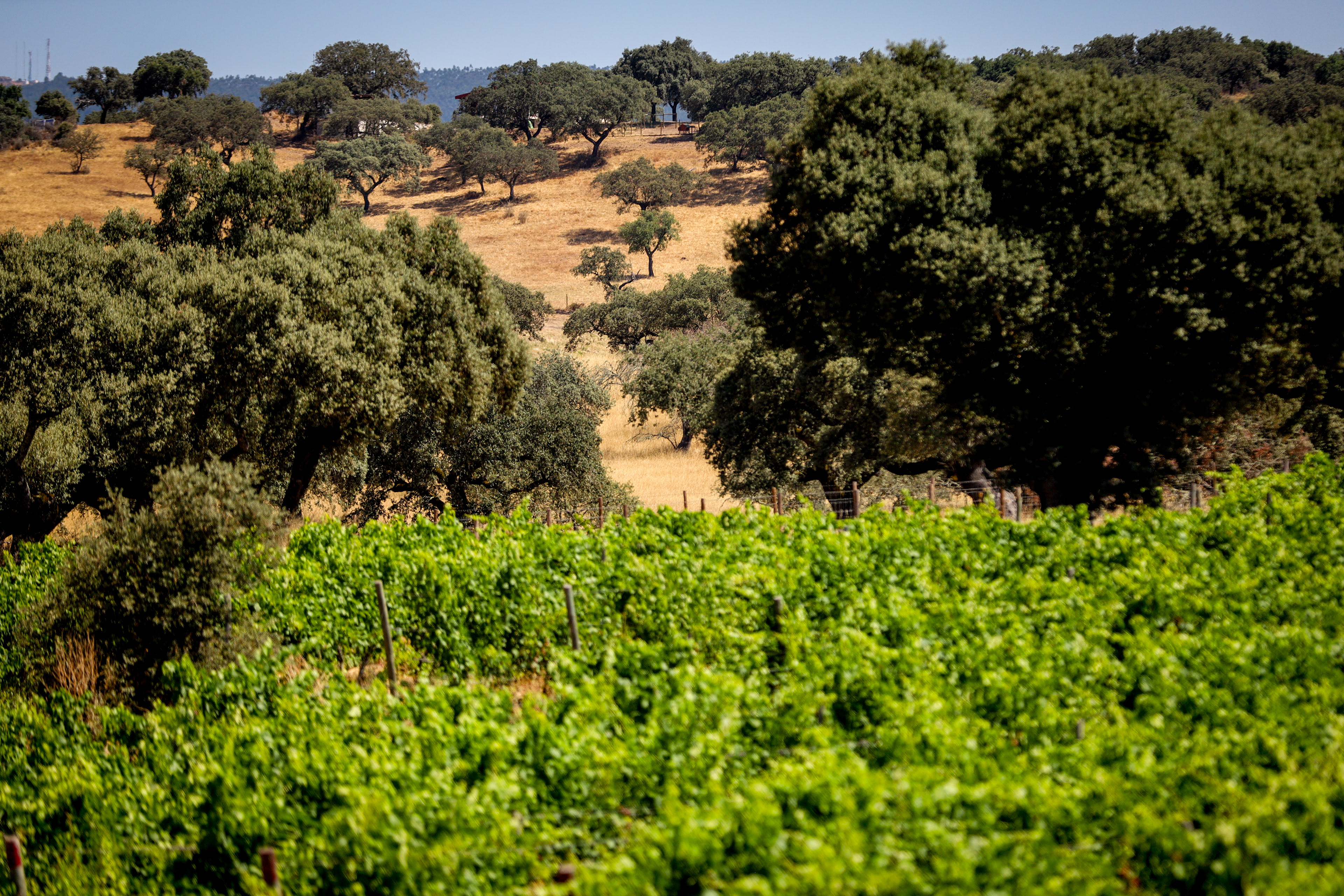
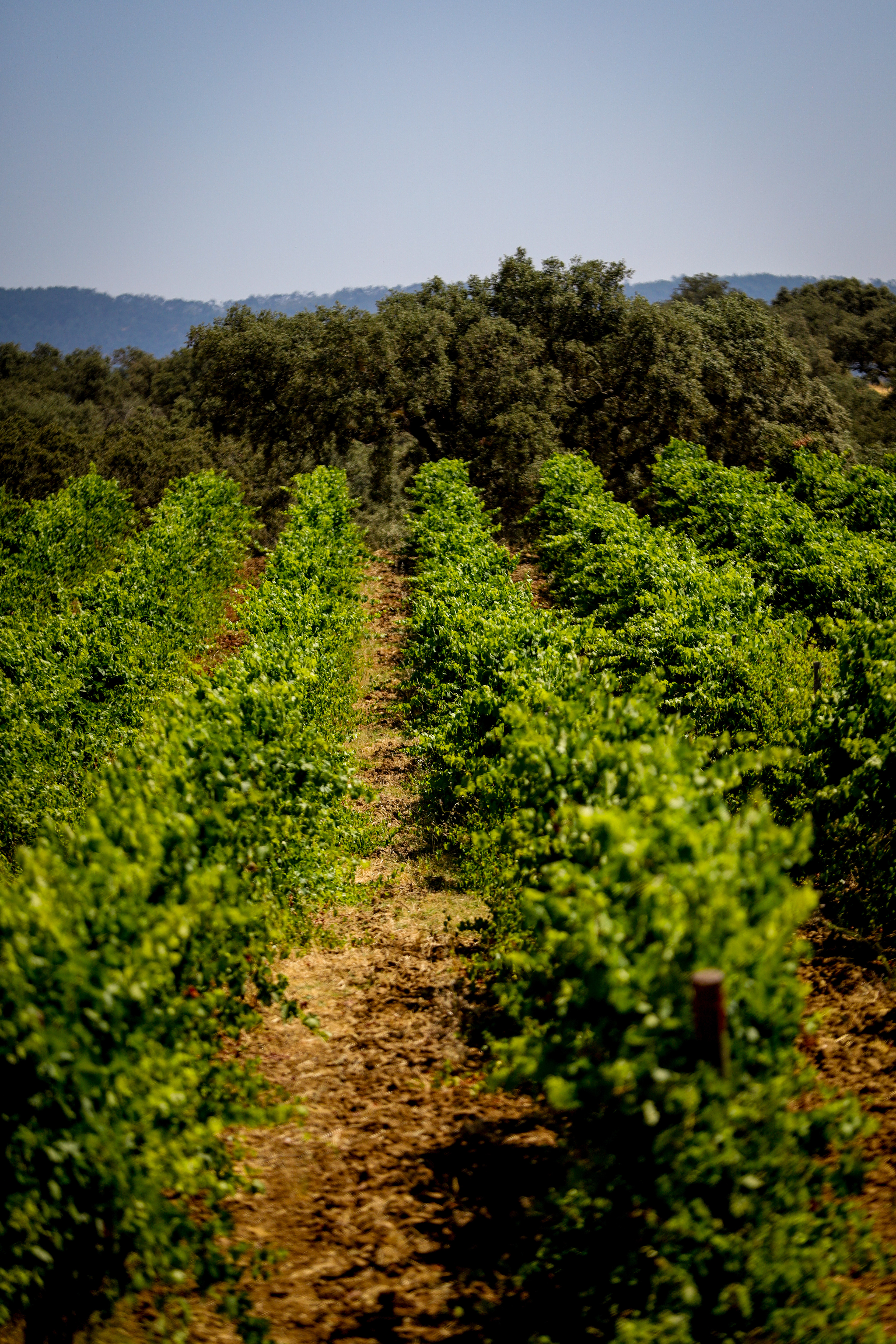
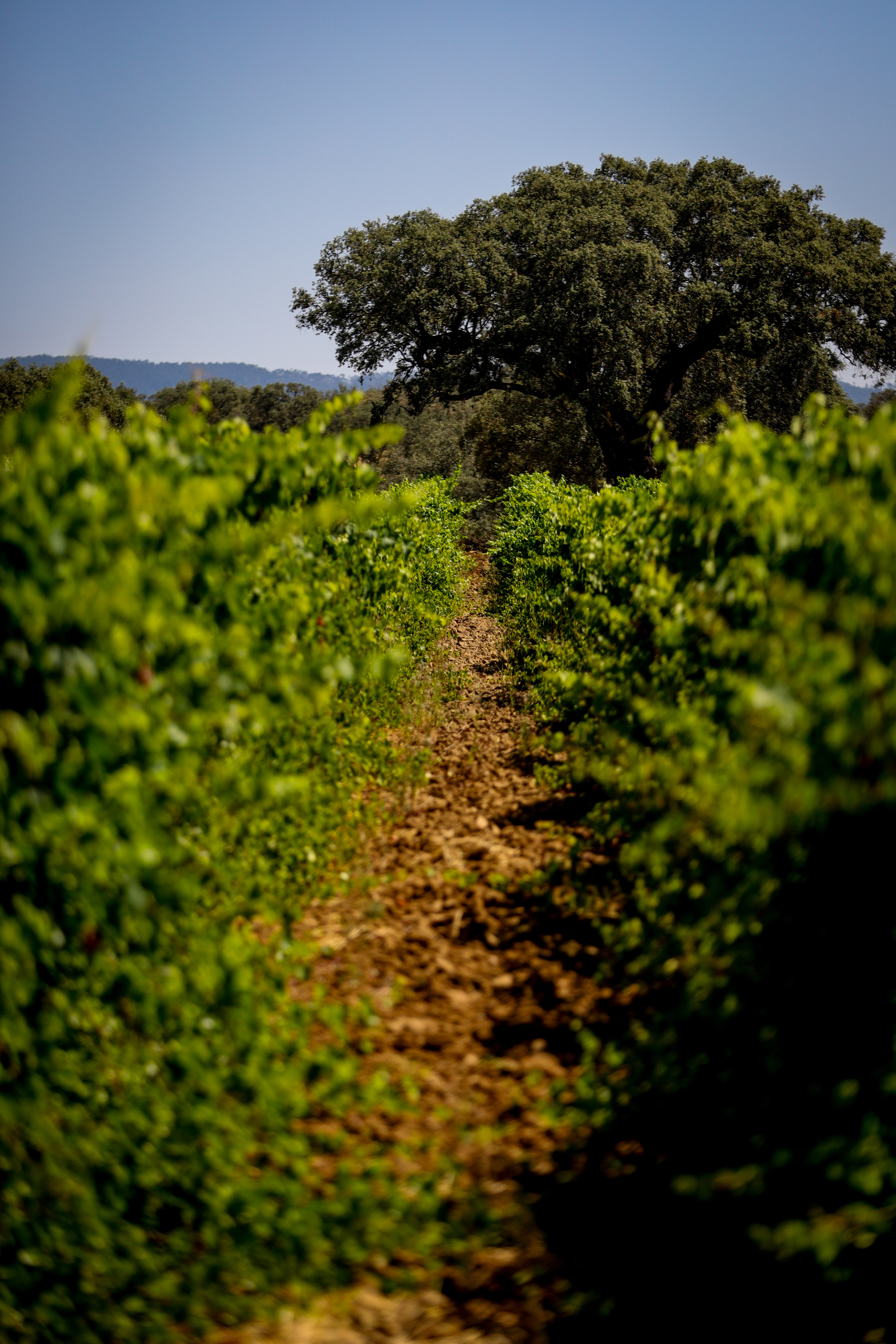
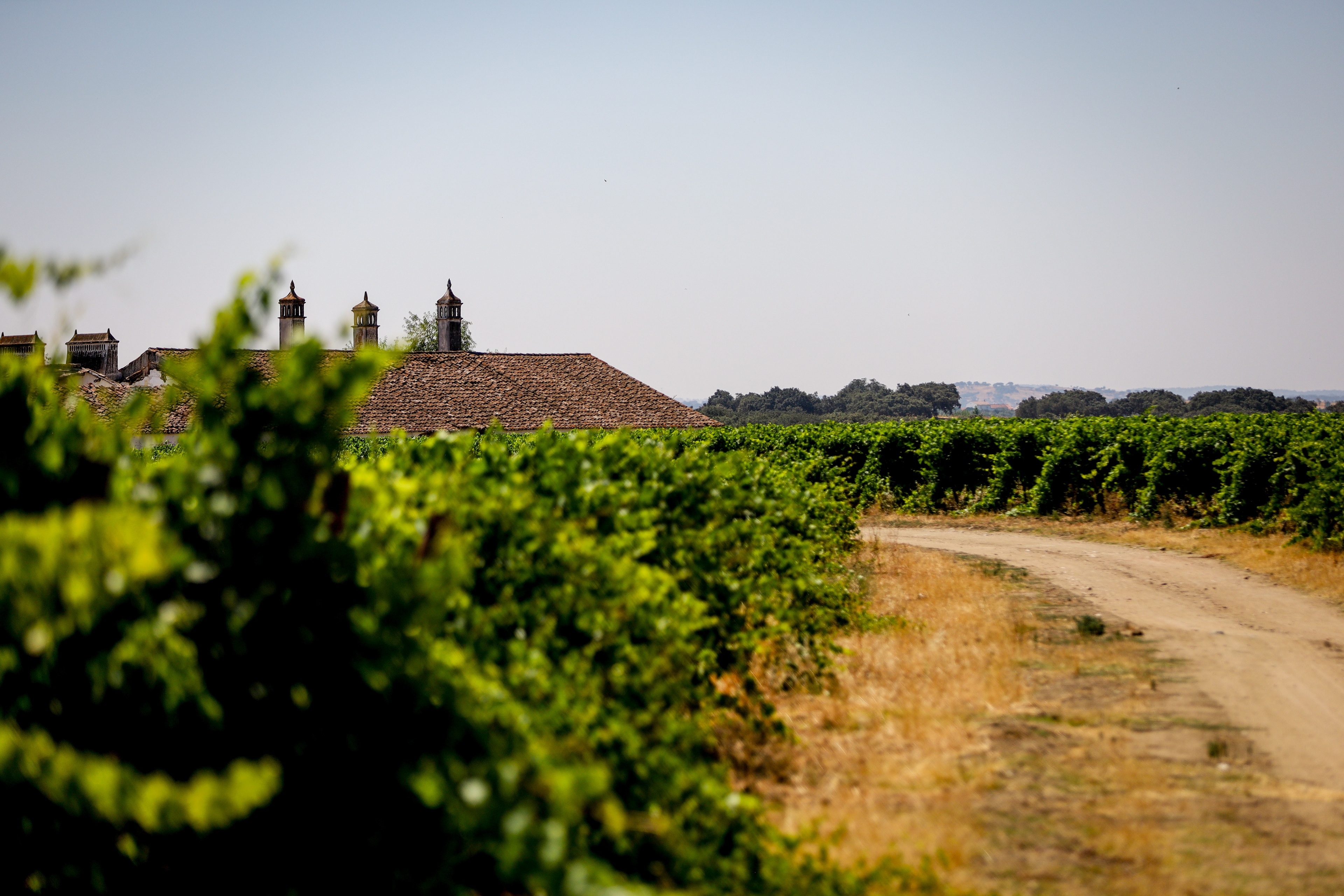
Alentejo Cork Farm
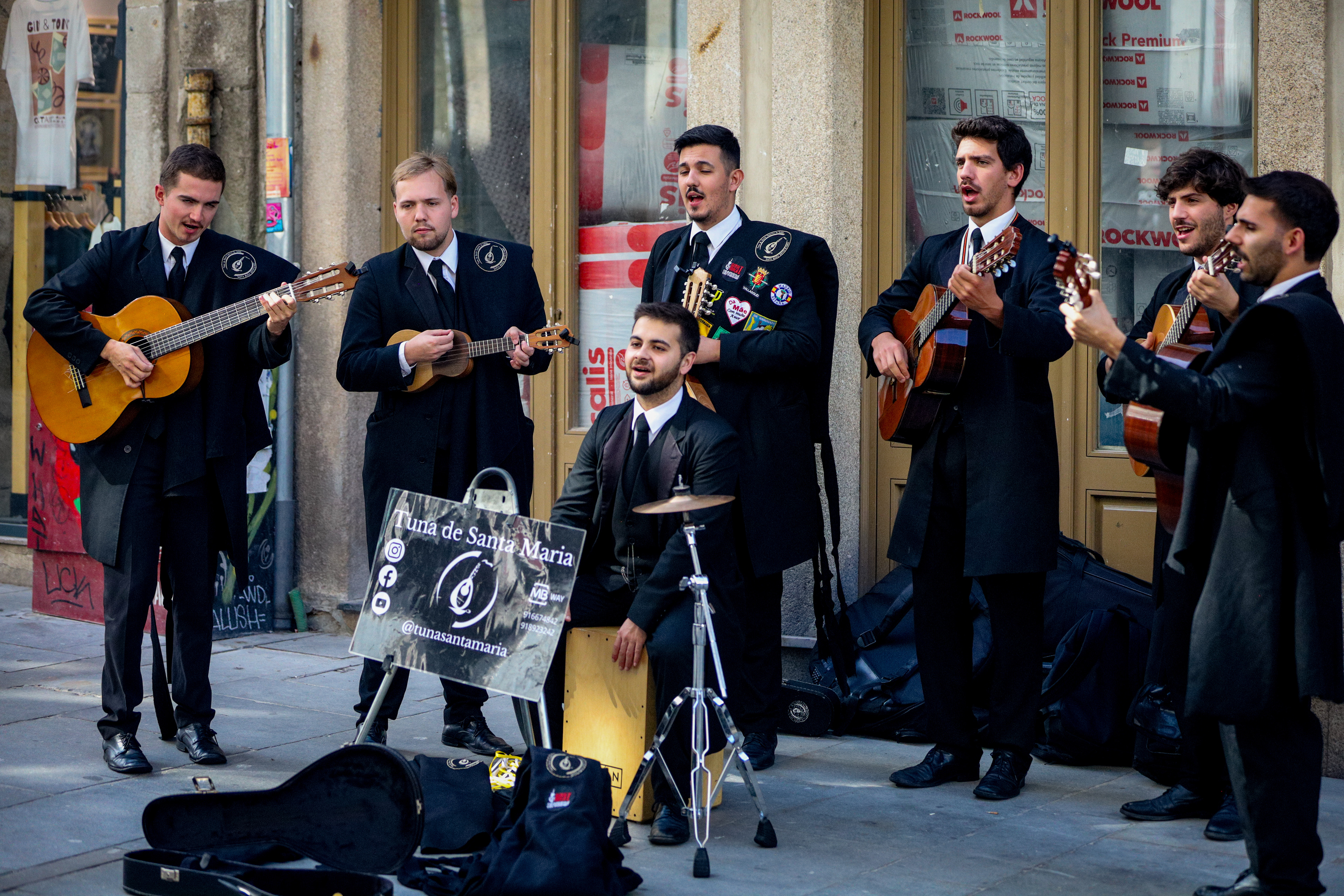
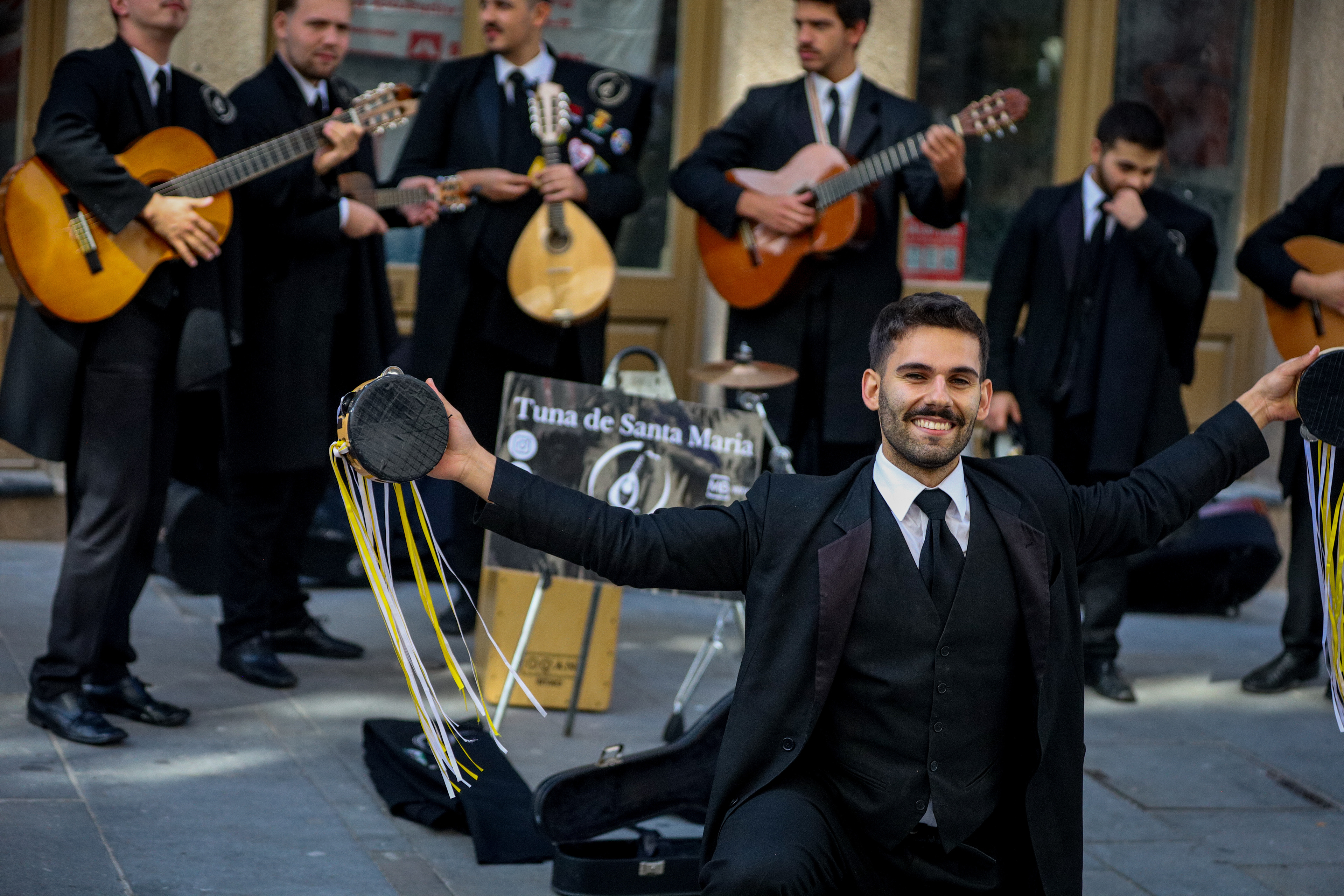
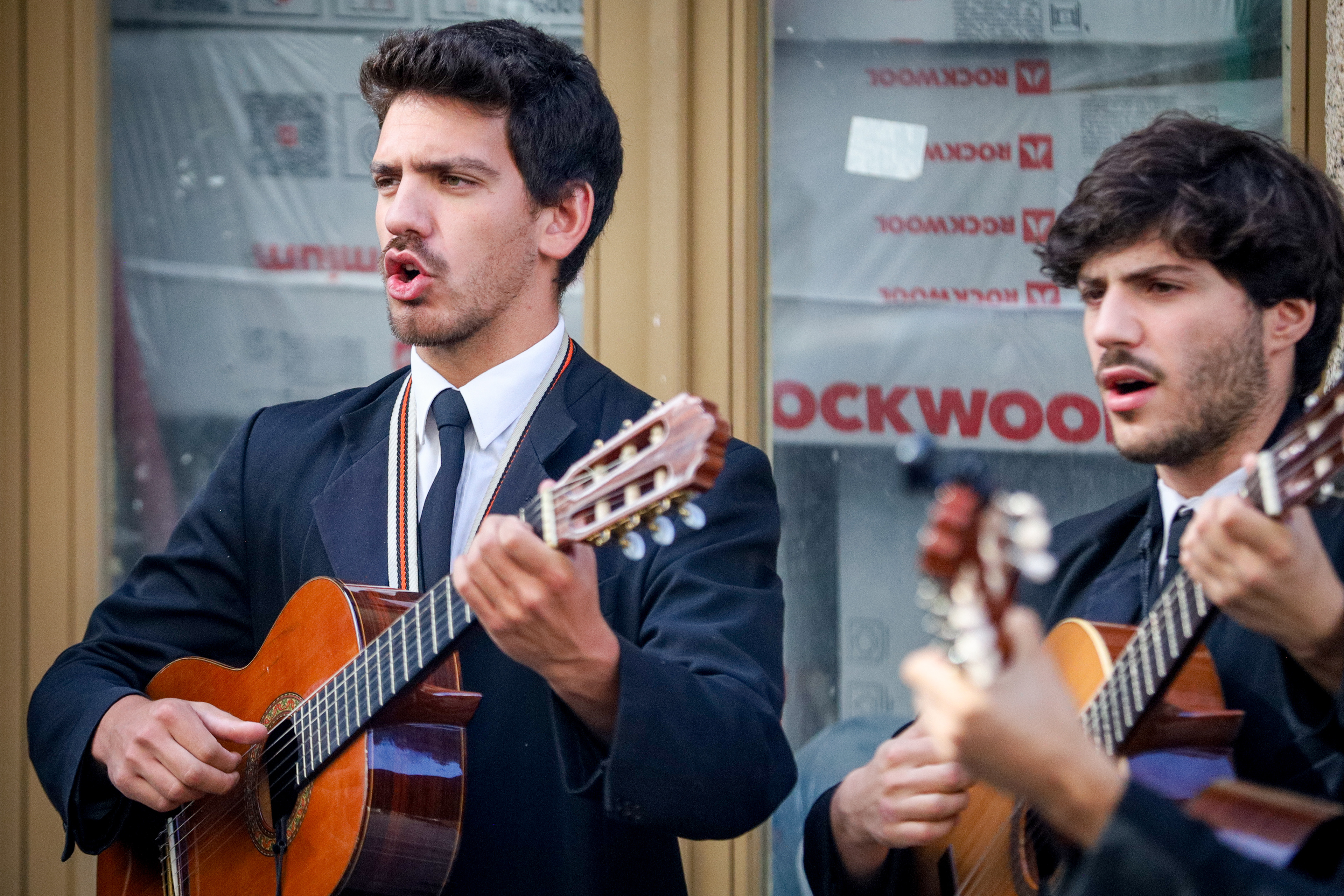
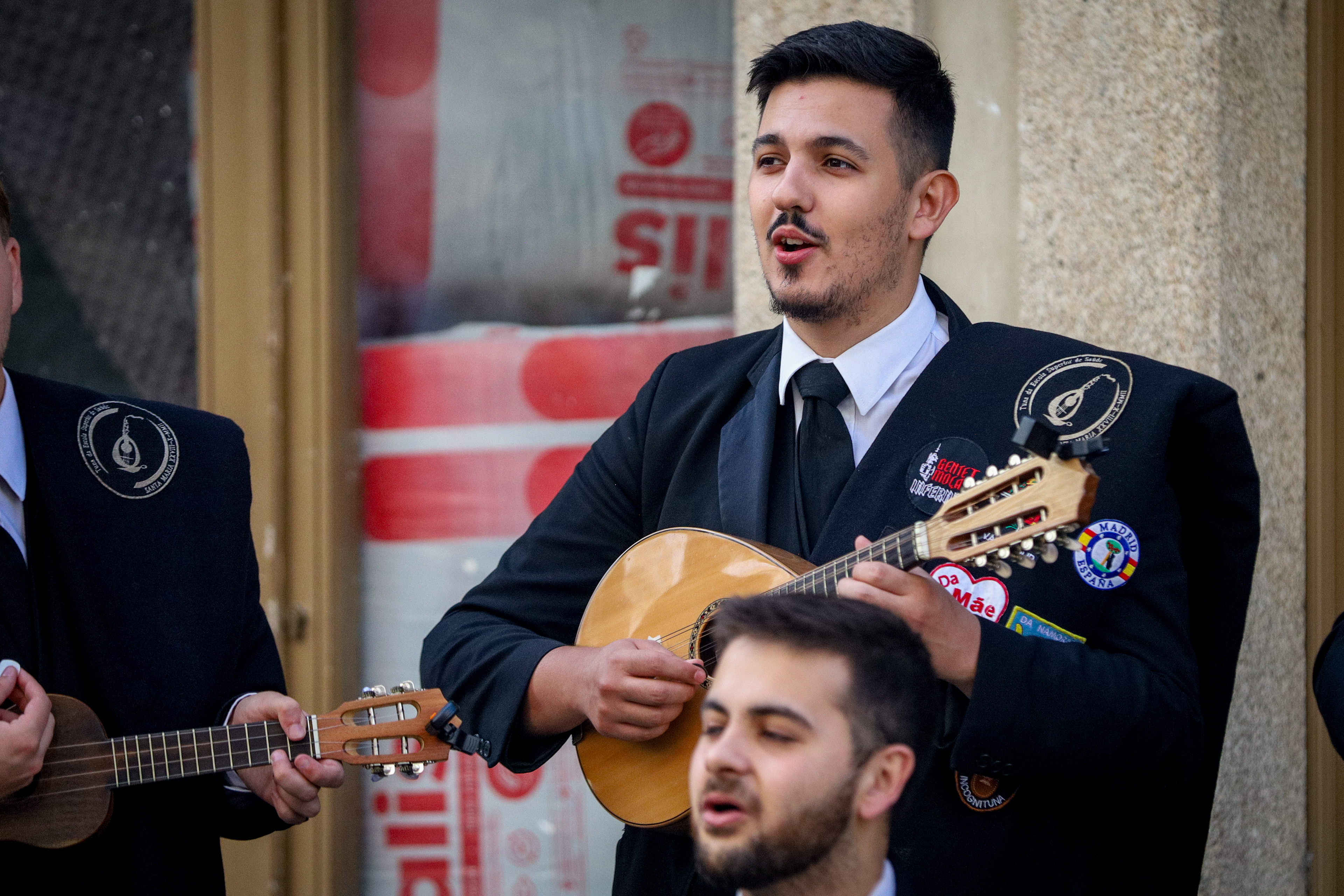
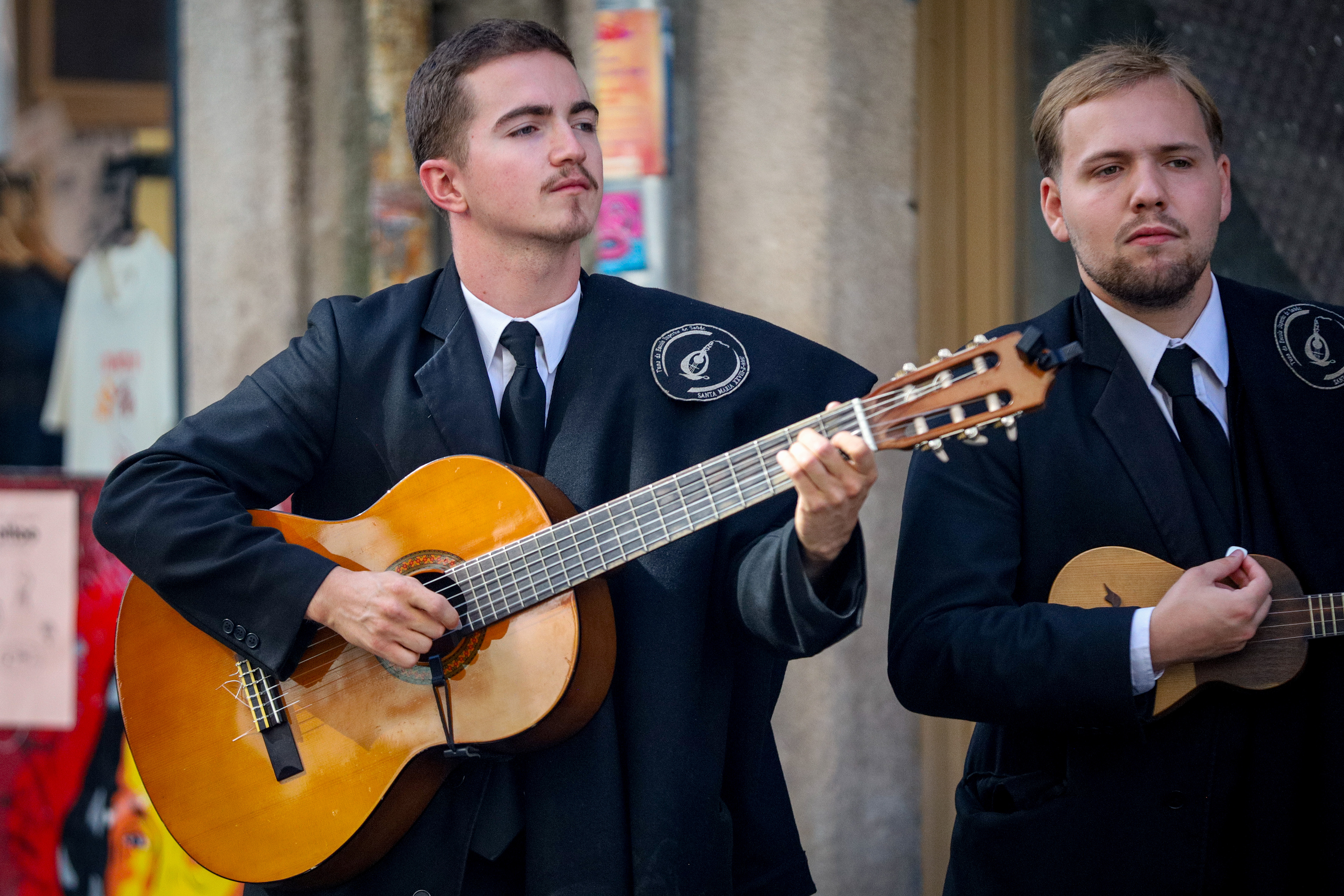
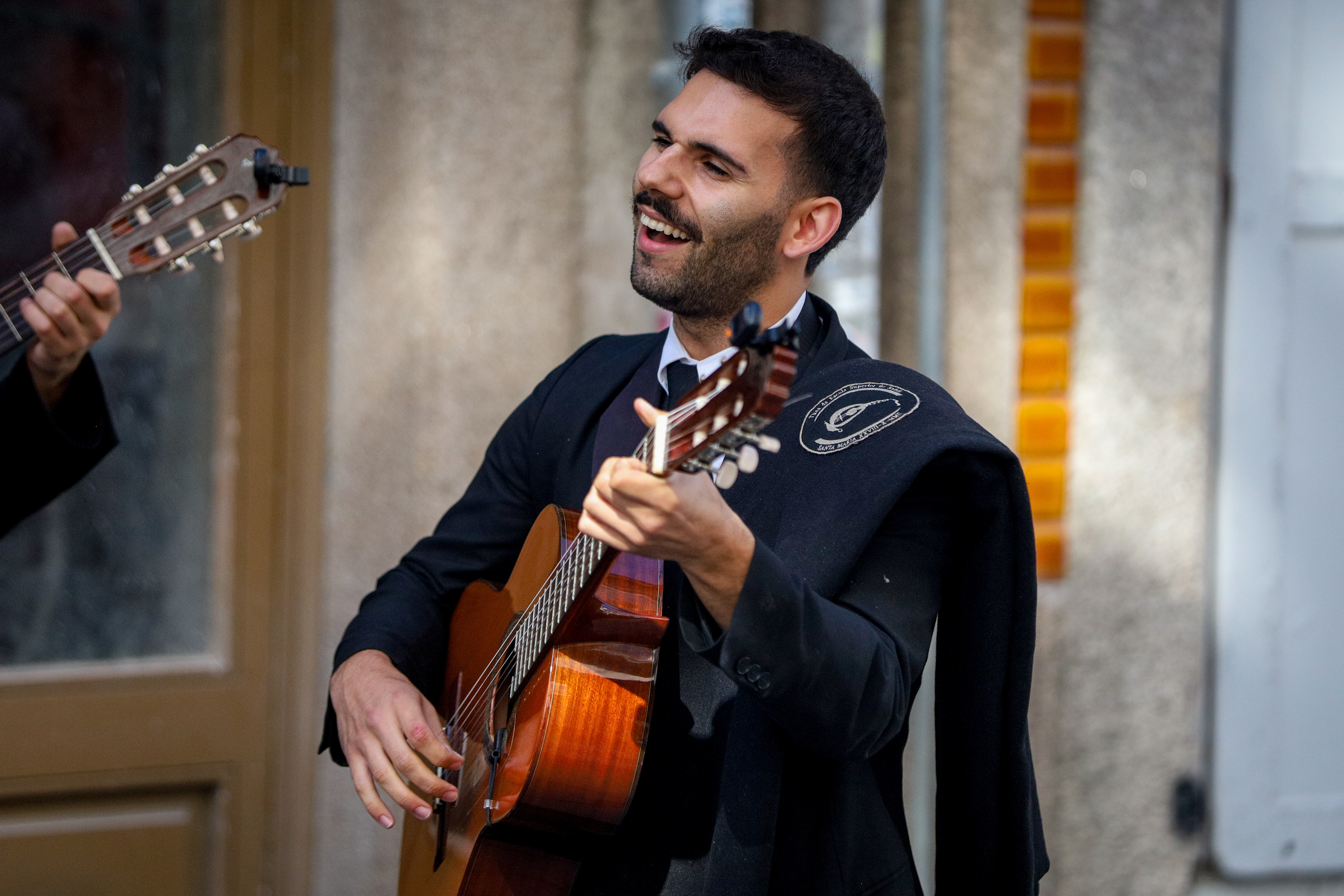
Tuna de Santa Maria in Porto 2025
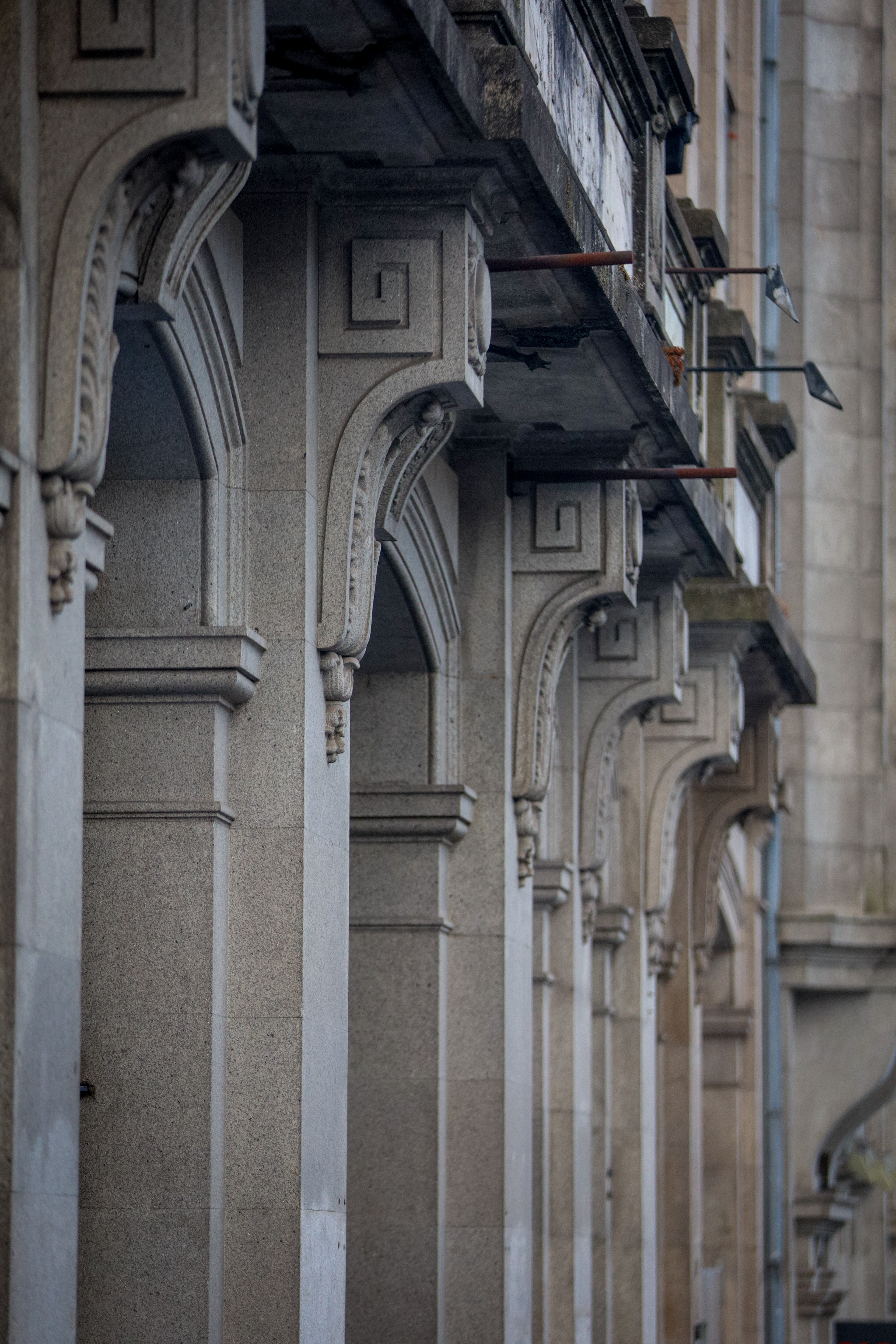
Artist turn the city into a stage.
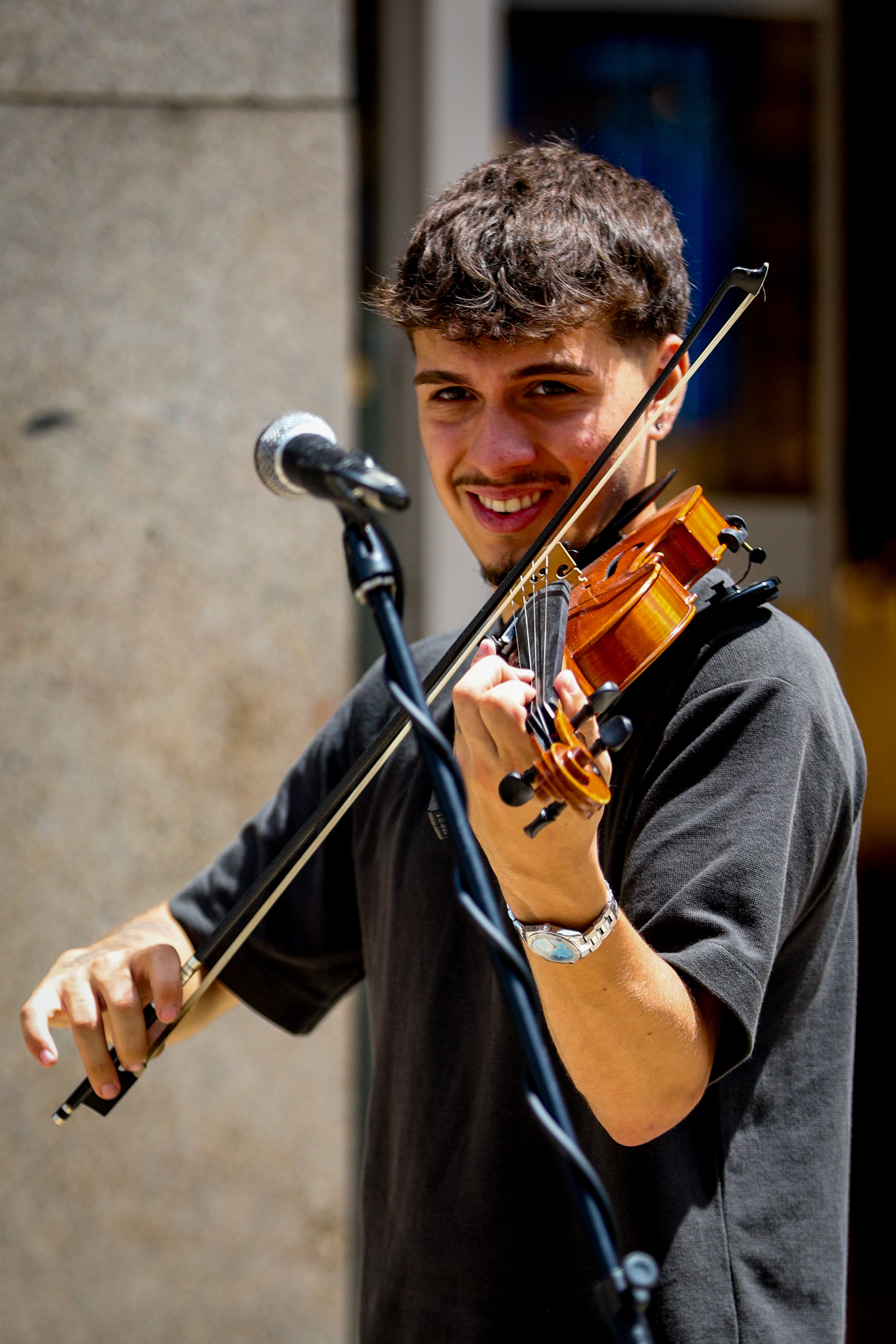
Capes, guitars, harmonies that pull strangers into a crowd. I waited for the grins between notes and a cape caught mid‑turn.
Traditions stay alive because people enjoy them.