“As the ACE study has shown, child abuse and neglect is the single most preventable cause of mental illness, the single most common cause of drug and alcohol abuse, and a significant contributor to leading causes of death such as diabetes, heart disease, cancer, stroke, and suicide.”
― Bessel A. van der Kolk, The Body Keeps the Score: Brain, Mind, and Body in the Healing of Trauma
― Bessel A. van der Kolk, The Body Keeps the Score: Brain, Mind, and Body in the Healing of Trauma
1 take the ace questionnaire - HERE
2 6 Architypes of Childhood trauma - Watch HERE
3 How aces impact health across a life time a ted talk by dr. nadine harris - watch here
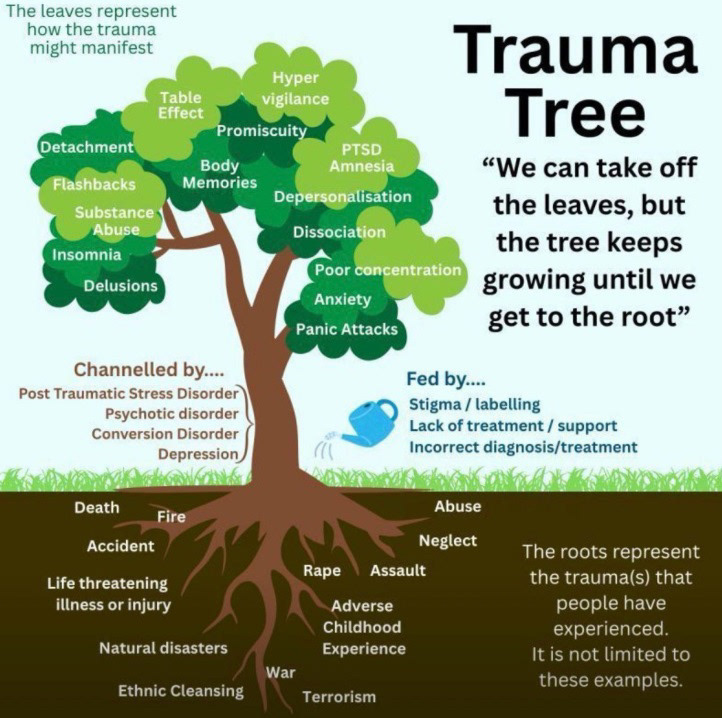
By the end of this session, participants will understand what Adverse Childhood Experiences (ACEs) are, complete the ACE Questionnaire, learn how toxic stress impacts development, and understand the connection between childhood adversity and adult outcomes.
Many people assume that trauma is primarily emotional. But trauma is also biological. Trauma changes biology. Not because you're weak. Not because you're damaged. Because the brain is designed to keep you alive.
During our first session, we explored Adverse Childhood Experiences. In Session Two, we learned how chronic stress influences brain development and nervous system function. Today we're going to discuss something that many people have experienced but may never have heard explained. Complex PTSD.
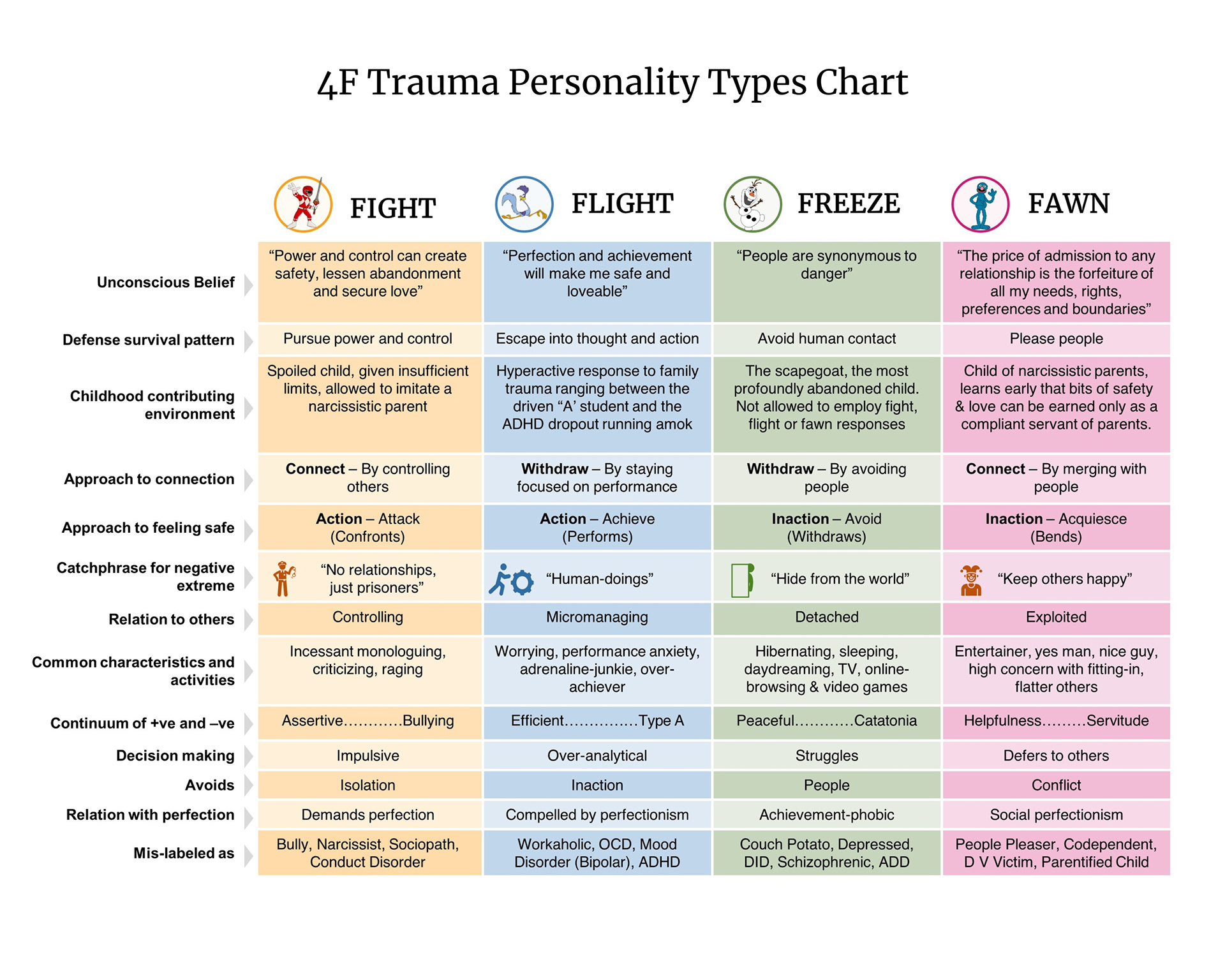
By the end of this session, participants will understand the four primary trauma responses, recognize how survival strategies develop in childhood, and identify their dominant and secondary trauma responses.
Understand how trauma affects the body, recognize signs of nervous system activation, identify common somatic symptoms associated with chronic stress, learn how the body stores survival responses, develop greater awareness of bodily sensations, and begin building a personal body awareness practice.
By the end of this session, participants will: Understand what emotional flashbacks are; Learn how emotional flashbacks differ from traditional PTSD flashbacks; Identify common triggers; Recognize emotional regression when it occurs; Develop grounding techniques to return to the present; Create a personal trigger-awareness plan.
Identify the critical voices inside, understand the healing power of reparenting, and learn practical daily tools to create deep emotional safety and realistic compassion for the person you already are.
Understand emotional dysregulation, recognize your personal dysregulation patterns, learn practical daily regulation habits, explore writing as a healing tool, identify recurring behavioral cycles, and create a personalized daily regulation plan.
Explore how trauma influences relationships, recognize your attachment patterns, discover the difference between connection and codependency, and develop a boundary-building plan.
The purpose of this course has been to provide education, self-awareness, and practical tools grounded in respected trauma literature. Your healing journey is unique, and professional support may be an important part of that process.
Additional Resources
Free IU professional development certificate in trauma informed cared - enroll HERE
4 Complex - Ptsd workbook (recommended for anyone with a 1+ score or all caregivers/parents) - Amazon link
This is how dysregulation feels & what it is explained - watch here
What is an emotional flashback with anna runkle - watch HERE
What Is trauma explained in short video by dr. vessel van der kolk- Watch here
Free IU professional development certificate in trauma informed cared - enroll HERE
healing from trauma explained in short video by dr. vessel van der kolk - watch here
ace scores explainEd by Dr. nadine harris - Watch here
break the cycle of generational trauma with Dr. mariel buque - watch here
THe impact of ACES on the brain explained - Watch here
How aces impact health across a life time a ted talk by dr. nadine harris - watch here
Pete Walker Website - HERE
Anna walker Website - HERE
Dr. nadine harris website - here
Bryan Owens a trauma informed counselor Website - HERE
information and directory of brainspotting professionals Website - HERE
intergenerational trauma in american indians - watch here
Brainspotting therapy - developed by david grand (Phd) - Watch HERE
10 ways to regulate your nervous system with anna runkle - Watch HERE
Healing trauma with Dr. Bessel Van der kolk - Watch HERE
impact of neglect - Watch here
positive coping - life is about how you choose to respond - Watch here
Breathwork & the power of a sigh explained by dr. andrew huberman - Watch here
Change your breath change your life a ted talk by lucas rockwood - Watch here
scientific power of meditation - Watch here
science of gratitude - Watch here
Brain changing benefits of exercise - ted talk by wendy suzuki - Watch here
How the food you eat affects your brain - a ted talk by mia nacamulli - Watch here
science of gratitude - Watch here
heat and cold exposure benefits explained by dr. soberg & Dr. huberman - Watch here
the importance of creative Outlet's - Watch here
Health benefits of nature walks - Watch here
recommended books
Complex PTSD - From Surviving to thriving by pete walker - audible link here
The body keeps score by bessel van der kolk - audible link here
the mood elevator by larry senn - audible link here
Childhood disrupted by donna jackson nazakawa- Watch here
Atomic Habits by james clear - Watch here
Health benefits of nature walks - Watch here